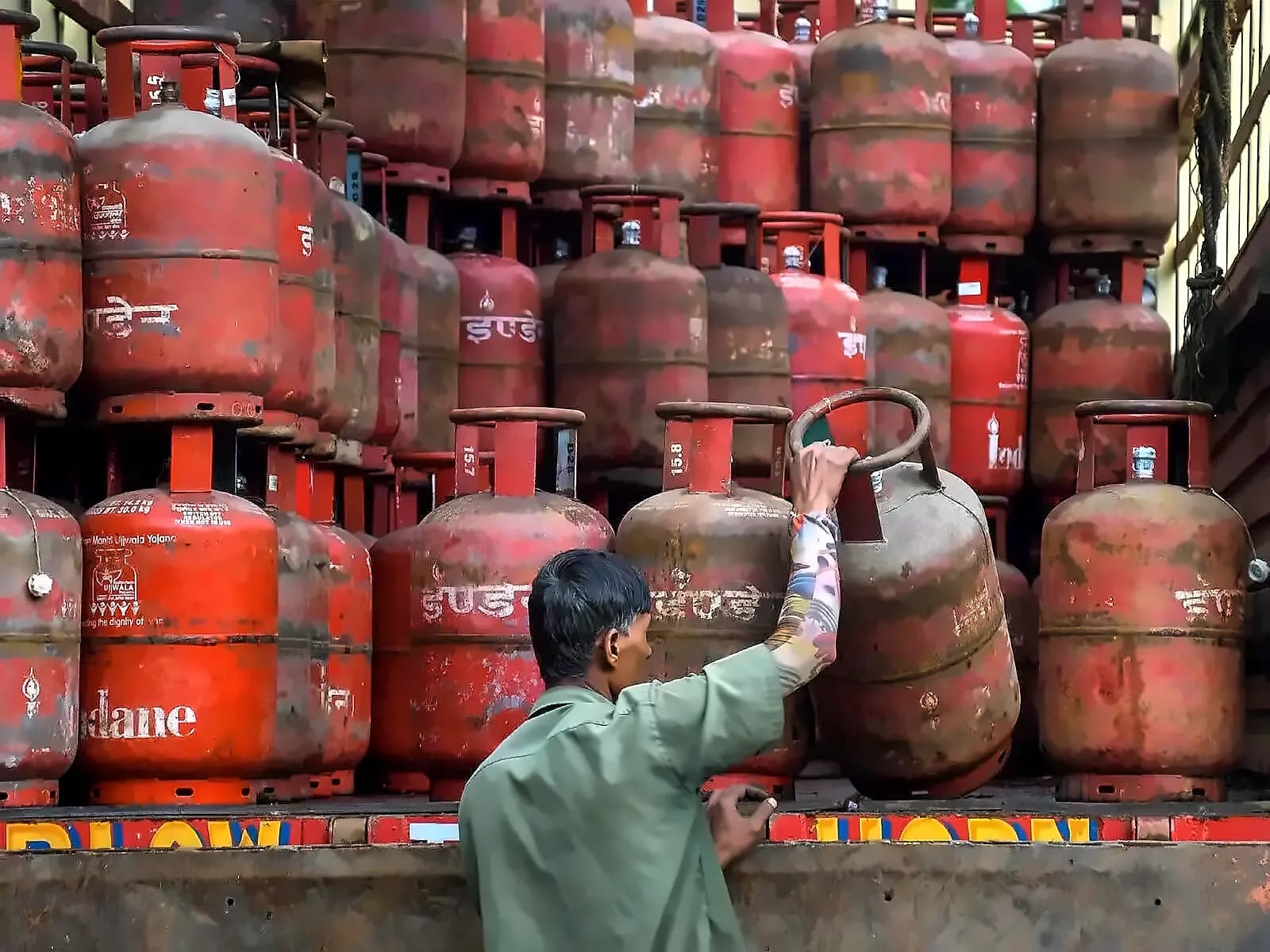
The Strait of Hormuz reopening following the US-Iran peace deal will commence in phases starting July 2026, with priority given to liquefied petroleum gas (LPG) due to India's critical dependence on West Asian supplies. According to Kpler's Lead Research Analyst Sumit Ritolia, recovery is expected to occur in phases rather than through immediate normalisation of trade flows. The global supply chain operates on a different timeline than politics, with analysts suggesting a return to normal at global trans-shipment ports won't be achieved until three to four months from now. German shipping giant Hapag-Lloyd estimates it will take at least six weeks to regain a fully normal network, but this timeline may be overly optimistic given the sequential nature of recovery across different energy commodities.
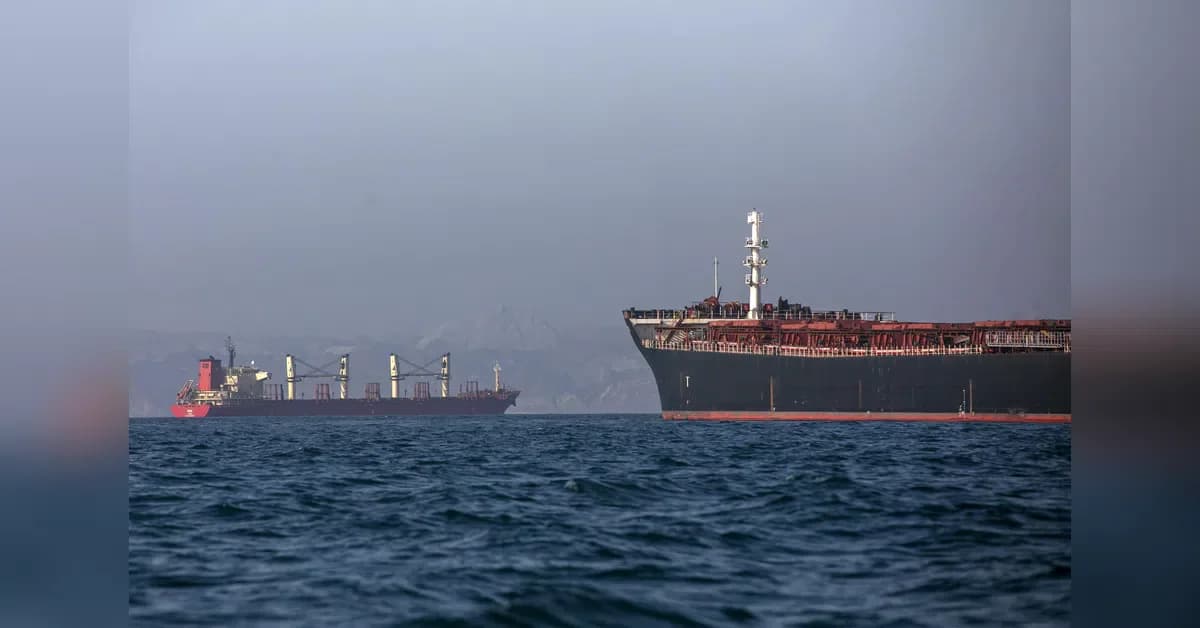
The Strait of Hormuz closure began on February 28 after US and Israel launched joint strikes on Iran, with Tehran responding by effectively shutting the strait to commercial traffic. Traffic through the passage fell from about 100 vessels per day to roughly six at the height of the blockade, and more than 1,500 vessels were left waiting to pass through at one point. This massive backlog has caused a months-long global energy crisis that will take time to resolve. The strait's closure oversaw the transport of 20% of the world's oil supply prior to the war, making any disruption potentially significant for global energy markets. SoH is India's most critical energy supply route, with the Middle East Gulf (MEG) region accounting for around 42% of crude imports, 91% of LPG imports, and around 60% of LNG imports in 2025, as per Kpler.
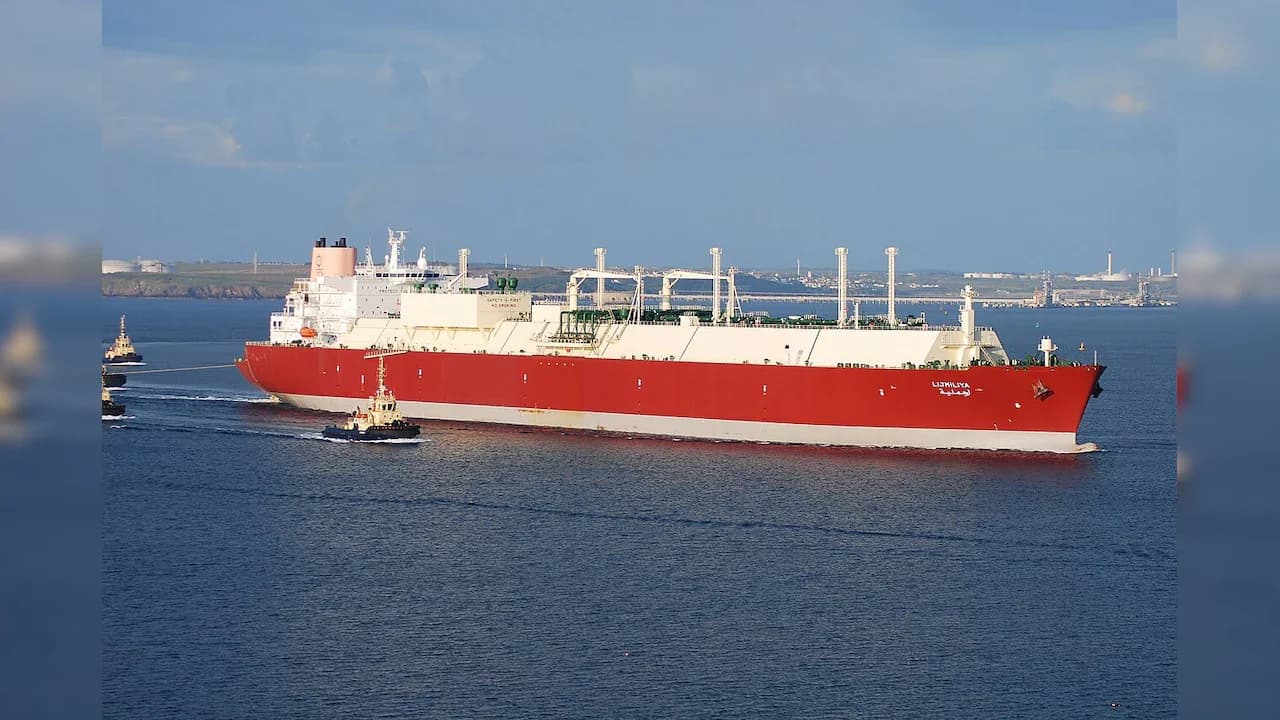
According to Kpler's analysis, the recovery will unfold in three distinct phases. In the first phase (Weeks 0-4), initial vessel movements focus on evacuating stranded cargoes with priority given to laden vessels carrying crude, products, LPG, chemicals, and LNG. LPG imports are likely to receive priority given India's heavy dependence on Middle Eastern supplies, with imports falling to around 51% of pre-war levels during the disruption. In the second phase (Weeks 3-10), as confidence strengthens, ballast vessels will gradually return to Gulf loading ports, with LNG and crude flows expected to follow as vessel availability improves and loading schedules stabilise. The third phase (Week 4 onwards) will see two-way shipping flows restored and Gulf producers can sustainably increase exports as storage pressures ease.

Crude oil imports remained relatively resilient throughout the disruption, supported by continued availability of Gulf barrels via bypass routes such as Saudi Arabia's Yanbu and the UAE's Fujairah/Habshan pipeline. Strong inflows of Russian crude and rising Venezuelan volumes have further cushioned the impact on India's crude supply. As a result, a Hormuz reopening is unlikely to materially alter India's crude import requirements in the near term. However, Kpler anticipates a gradual recovery in Gulf crude demand, potentially supporting an additional 400,000–600,000 barrels per day of Middle Eastern imports through August as refiners rebalance their crude slate. A key upside risk is the potential non-renewal of Russian crude-related waivers that end on June 17th, which could accelerate Gulf producers' market share recovery.
According to The Times of India, Deepak Sankar, Head of Commercial Business Distribution at TATA AIG General Insurance Company, stated that insurers do not expect immediate normalization of war risk cover. He explained that even if the Strait is formally reopened, that doesn't immediately translate into normal shipping activity, as vessel movement typically takes months to stabilize as confidence rebuilds among shipowners, charterers and insurers. An estimated two million shipping containers have been disrupted across the global network because of the blockade, with the crisis affecting container positioning cycles that typically run on tightly managed schedules. The re-entry of insurers into the Persian Gulf war risk market will be measured and phased, with capacity returning cautiously and pricing remaining firm until clear evidence of sustained stability emerges. The primary benefits of the reopening are expected to come from improved logistics, greater supply flexibility, and lower freight/insurance-related risks rather than sudden surges in crude arrivals.