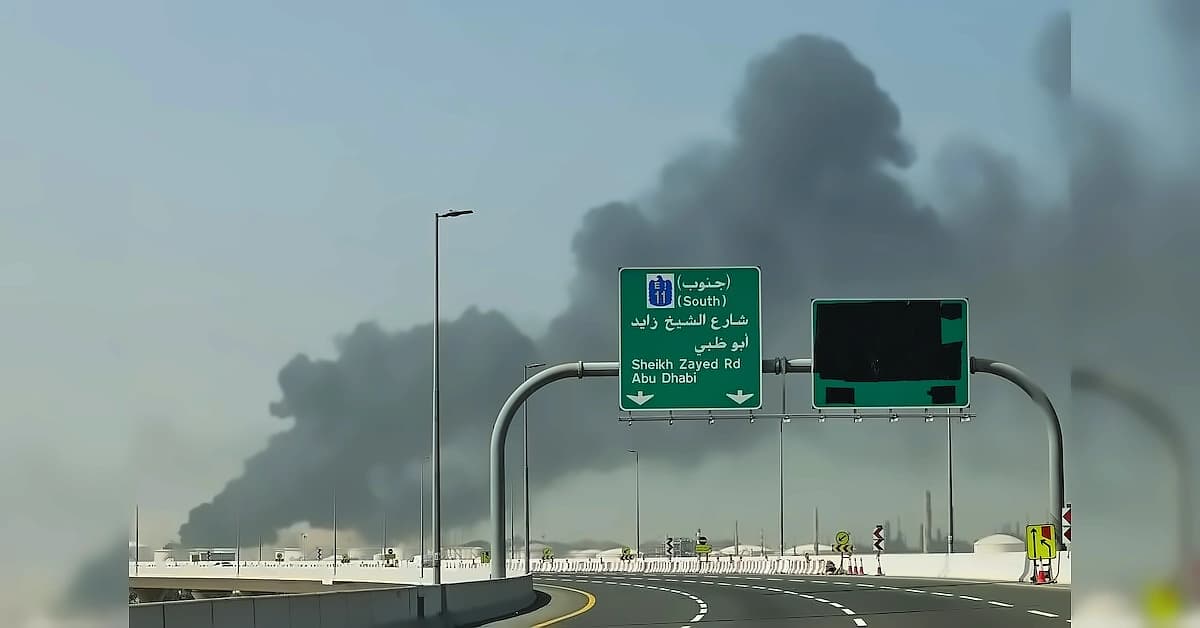
Iran launched two ballistic missiles towards the United Arab Emirates, with one falling outside the country's territorial waters and another coming down within them, according to the UAE Ministry of Defence. The UAE issued a missile threat alert, putting its air-defence systems on heightened readiness before the attack occurred. According to the UAE Defence Ministry, its air defences detected two ballistic missiles launched from Iran toward the country. This represents a significant escalation in the ongoing regional tensions and follows the third such attack on vessels operated by ADNOC in the critical waterway in the last week.
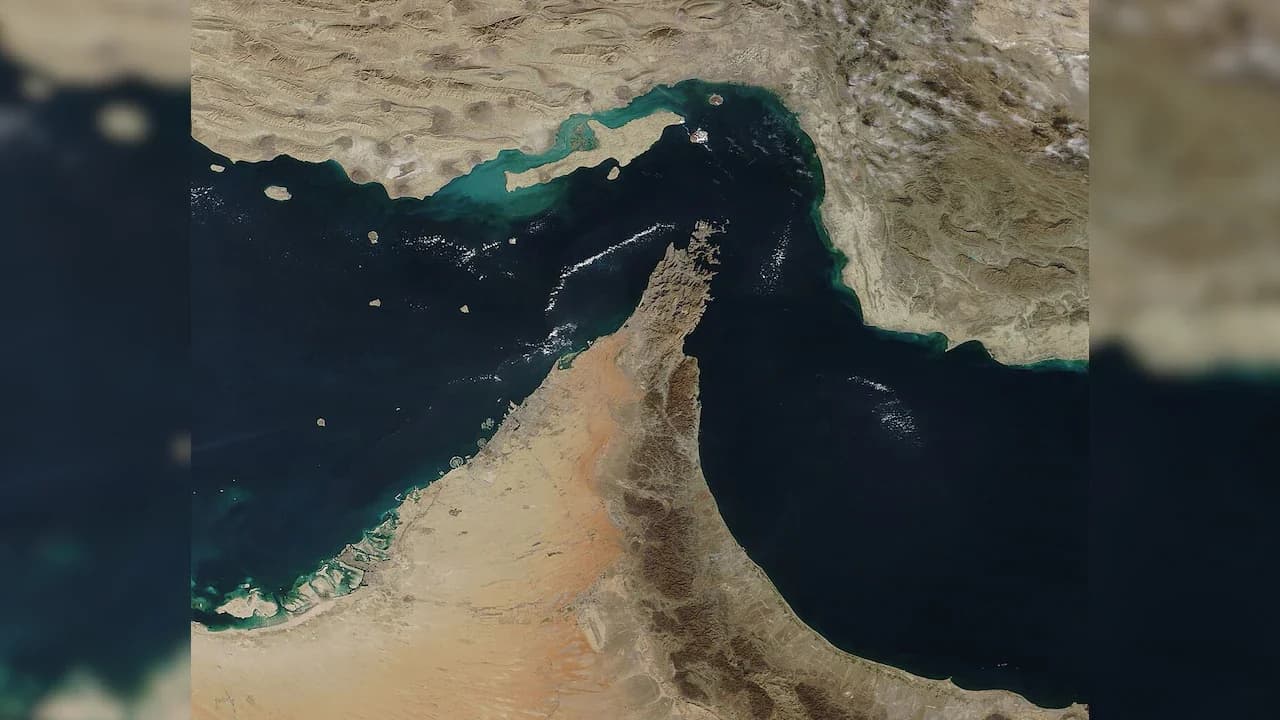
A tanker owned by Abu Dhabi's state-owned oil and gas company ADNOC was attacked while transiting through the Strait of Hormuz, according to Emirati state-run WAM news agency. The attack occurred Friday evening with no injuries reported, marking the third such attack on vessels operated by ADNOC in the critical waterway in the last week. The United Arab Emirates has blamed Iran for the attack and called on it to stop the unprovoked strikes. The United Kingdom Maritime Trade Operations centre confirmed that a bulk carrier was struck by an unknown projectile that hit the hull on Friday, though it was not immediately clear if it was the same vessel. Shipping has been disrupted and the strait has been virtually closed since the Iran war started on February 28 with US and Israeli strikes on Iran, with about one-fifth of the world's traded oil and natural gas passing through the waterway before the war.
Iran's hard-line leadership used the two-month calm created by a memorandum of understanding signed with the United States in June to secretly prepare for a wider war, according to The Wall Street Journal citing Iranian and Arab officials. Iran's leaders viewed the June 17 pact, signed by US President Donald Trump in Versailles, promising sanctions relief, unfrozen funds and a $300 billion reconstruction package in exchange for reopening the Strait of Hormuz, as a temporary reprieve rather than a genuine off-ramp. During this period, Tehran ramped up missile and drone production, reorganised its security apparatus and expanded ties with regional militias. Intercepted communications revealed the Revolutionary Guard sent advisers to Iraq, Yemen and Lebanon to coordinate a stepped-up regional confrontation, supplying Houthi militants with target lists for Saudi ports and energy infrastructure.
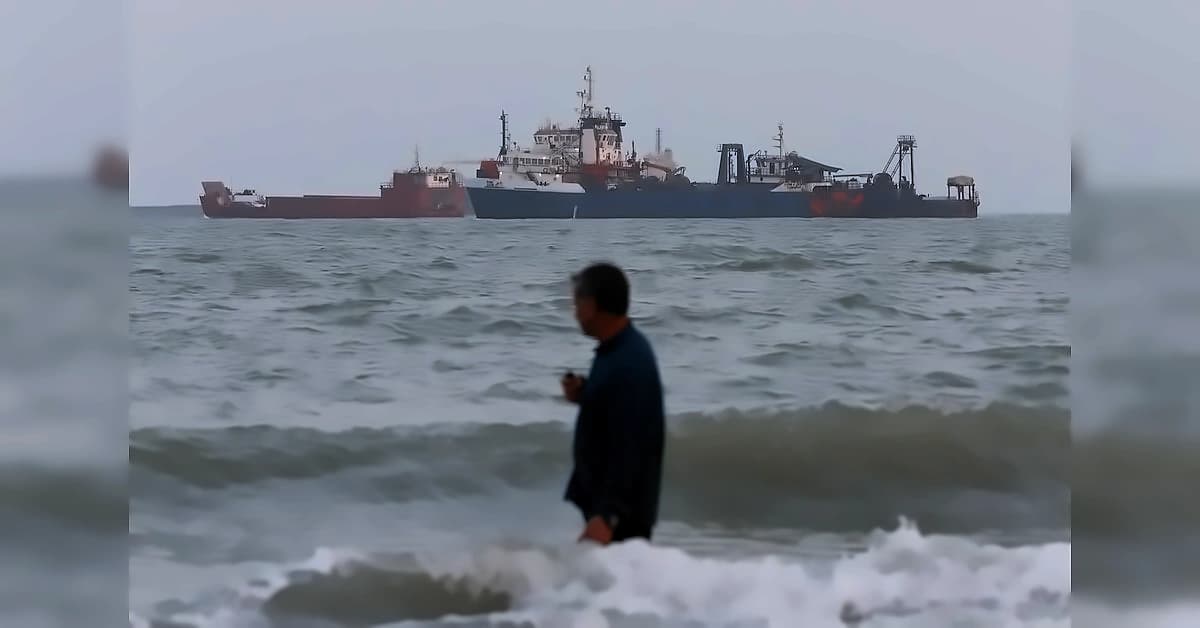
The UAE's Foreign Ministry has blamed the attacks on Iran and characterized them as a "flagrant violation" of the United Nations' principles of freedom of navigation. According to the Foreign Ministry statement, "Targeting commercial shipping and using the Strait of Hormuz as a tool of economic coercion or blackmail represents acts of piracy by Iran's Revolutionary Guard Corps, and constitutes a direct threat to the stability of the region, its peoples, and global energy security." There was no immediate response from Iran to the accusations regarding the Strait of Hormuz incidents.
The latest attacks highlight the ongoing dangers faced by vessels seeking to move cargo through the critical waterway that leads from the Persian Gulf to the open oceans. Iran maintains a firm grip on the passage through the Strait of Hormuz, making it a key chokepoint for global energy flows. The Erbil hotel attack on U.S. military personnel represents a significant escalation in Iran's targeting of foreign military assets, while the drone interceptions over Erbil demonstrate the expanding scope of Iranian military operations beyond traditional maritime routes. Israeli airstrikes in southern Lebanon killed at least nine people, including seven civilians in a home strike, marking some of the deadliest attacks since a truce between Israel and Hezbollah went into effect on June 20. Additionally, Iranian-backed Houthis attacked a Red Sea port in Yemen, firing six ballistic missiles that killed at least one security guard and wounded eight people, reflecting how Iran is scaling up pressure on the United States and its regional allies.