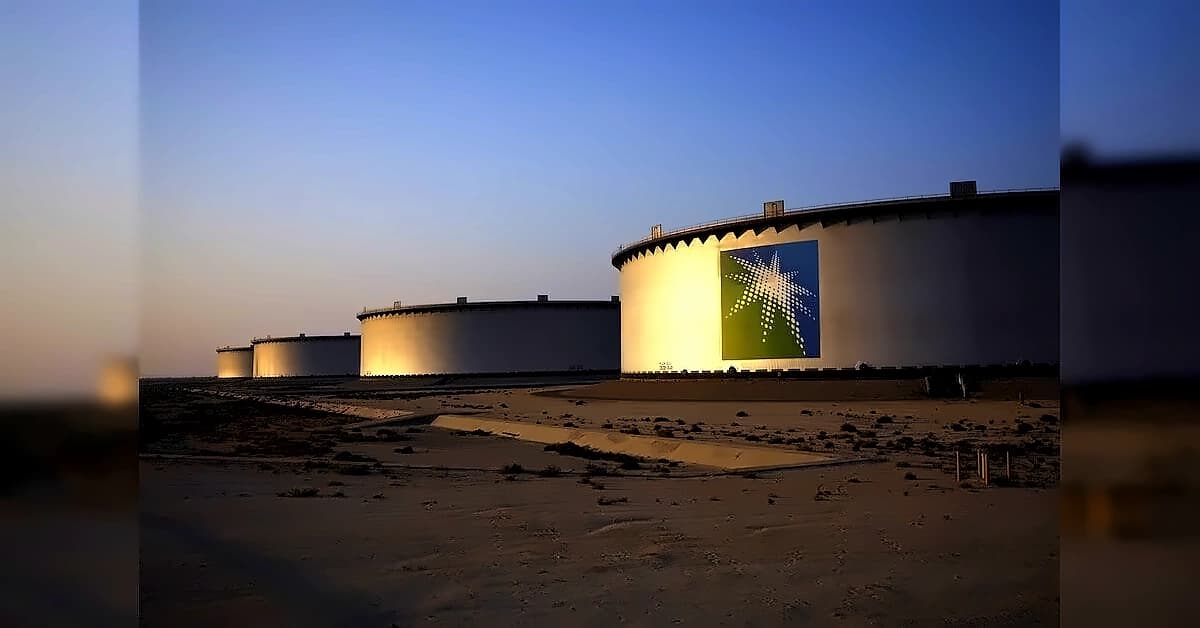
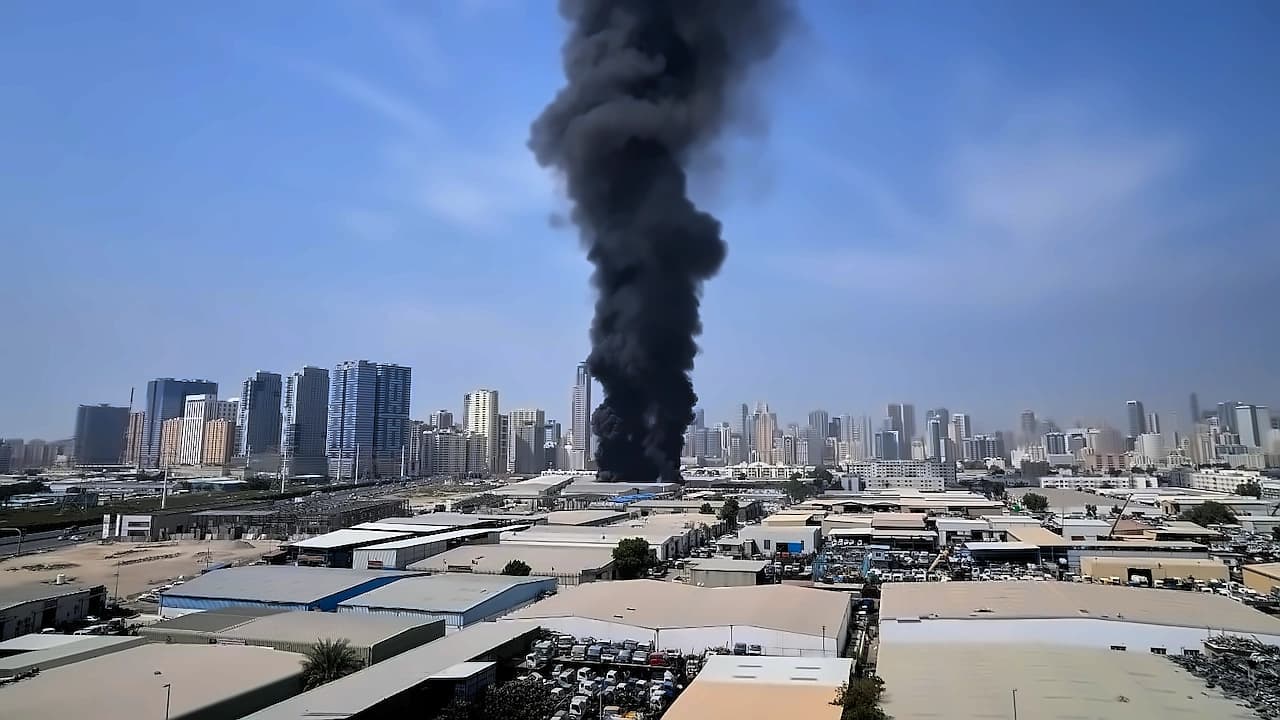
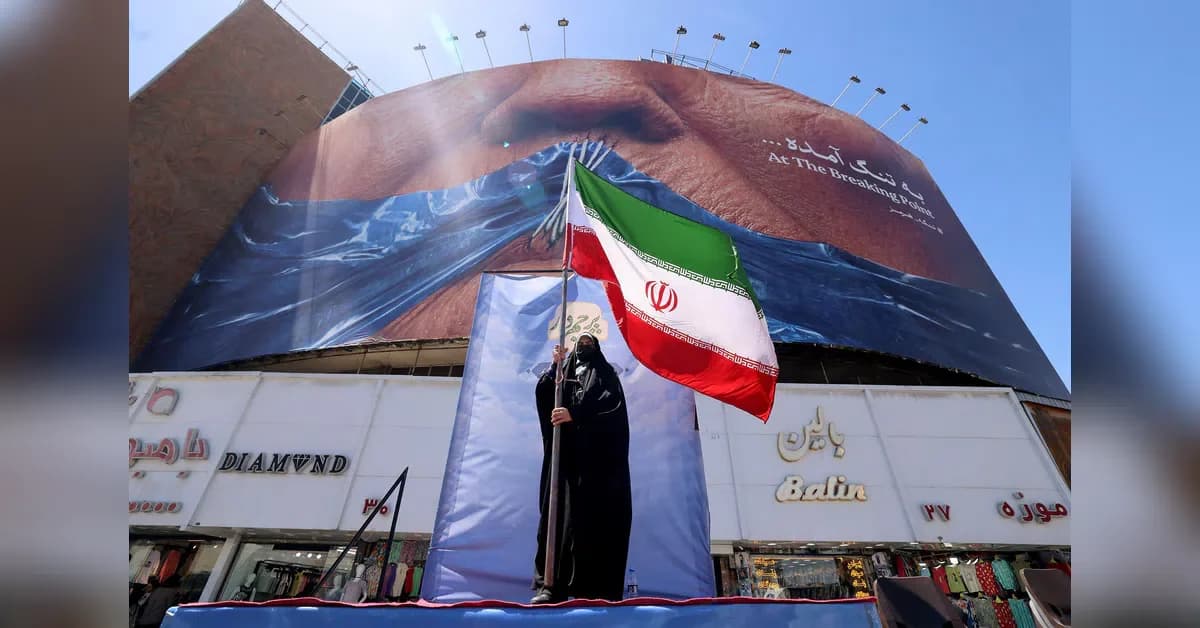
Iran has escalated its attacks on US allies in the Middle East through its proxy forces, the Houthis, targeting Saudi Arabia with two drone attacks on Najran airport and an Aramco facility. According to reports from Live Mint, this represents a fresh escalation in tensions between Iran and Saudi Arabia, following Tehran's air strike on Saudi Arabia's East-West oil pipeline in April 2026. The attacks are part of Iran's broader strategy to disrupt global oil supply and fuel crude oil price increases, as reported by SEBI-registered market expert Anuj Gupta. Tehran has now condemned what it calls the 'toughest sanctions in history' threat from the US, intensifying the diplomatic and military pressure on the Islamic Republic.
Despite the US war on Iran, the Mecca Pact between Saudi Arabia, Turkey, and Pakistan could reshape the Middle East, ranking among the most momentous developments since the upheavals following the Hamas attacks on October 7, 2023. As reported by multiple sources, the agreement creates a mutual defense commitment between the three nations and has been under preparation for over two years. Pakistan and Turkey have demonstrated a preference for diplomatic management of regional crises, with their diplomacy playing an important part in preventing Saudi Arabia from becoming a direct participant in the US-Iran conflict following Iranian attacks on Saudi facilities. Even under the SMDA framework, Pakistan emphasized de-escalation rather than automatic war participation. The Turkish foreign minister indicated that preparations for the agreement had been underway for over two years, with the Strategic Mutual Defense Agreement between Riyadh and Islamabad finalized within weeks of Israel's attack on Qatar last year.
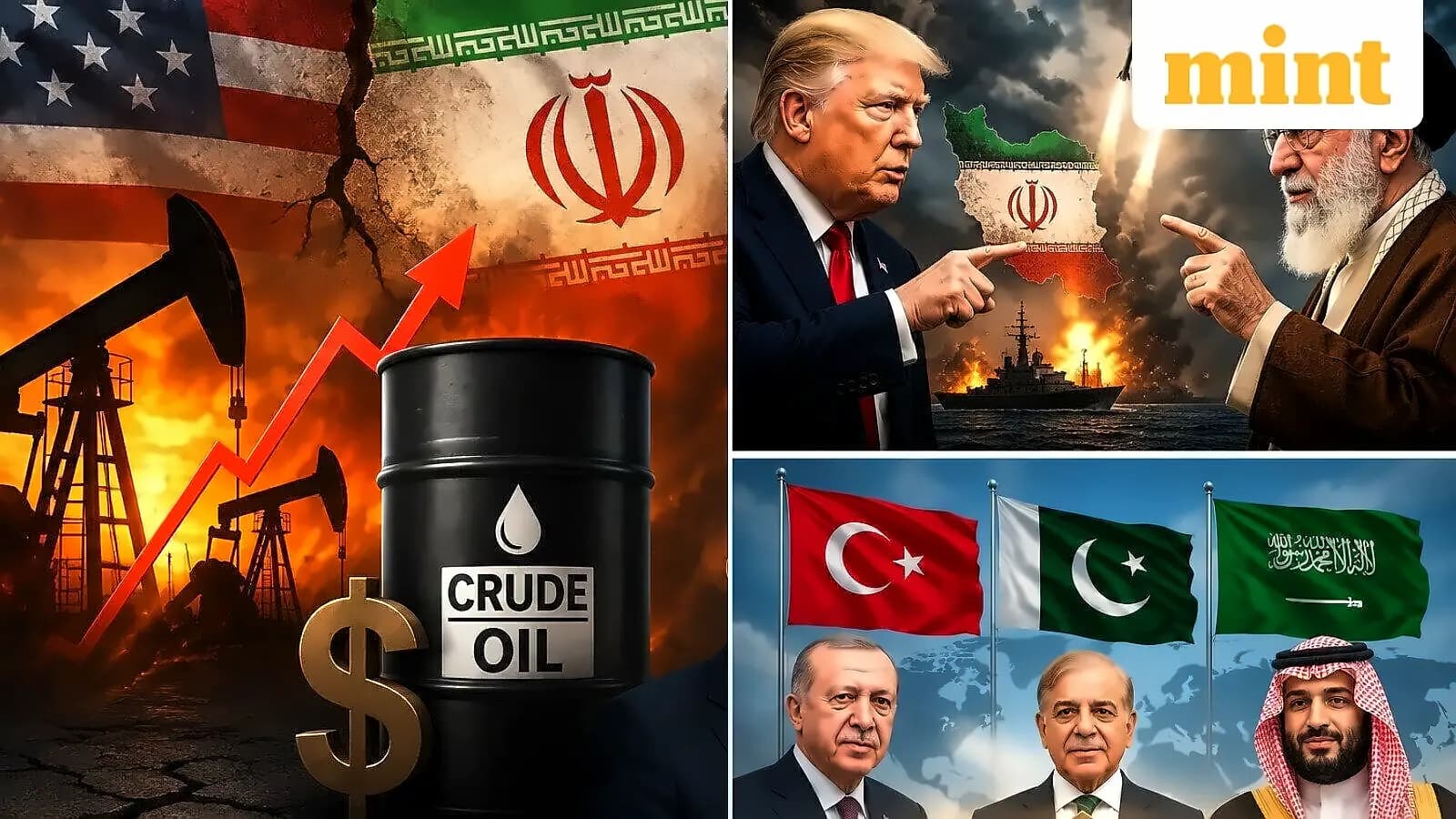
Iran's strategy centers on disrupting global oil supply to drive up crude oil prices, with Brent crude currently around $90 per barrel. According to Anuj Gupta's analysis, Tehran aims to push prices above the psychological $100 mark for two weeks to pressure the US administration into negotiations. The attacks on Saudi Arabia and the UAE, which have alternative routes bypassing the Strait of Hormuz, are part of this calculated disruption strategy to prolong the US-Iran war and maintain economic pressure on the global community. The escalation comes as Iran faces what it describes as unprecedented economic pressure from international sanctions, with US President Donald Trump announcing Washington's intentions to levy an "unprecedented" level of economic measures against Tehran to force it to end its nuclear program and fully re-open the Strait of Hormuz.
The closure of the Strait of Hormuz has created a severe crisis, with nearly 20 percent of global oil supplies previously transiting through the vital waterway now effectively blocked since the outbreak of war at the end of February. As reported by RFE/RL, US President Donald Trump has said US forces now control the waterway, although Tehran disputes the claim. The 32-member North Atlantic Treaty Organization (NATO) is exploring options to ensure freedom of navigation, with Supreme Allied Commander Europe US Air Force General Alexus Grynkewich telling Reuters that members states are exploring possible cooperation on the matter, which will not be conducted as a formal NATO mission. Iran has granted permission to Iraqi oil tankers to pass through the Strait of Hormuz, with Iraq exporting an average of 105 million barrels per month through the strait before the conflict began.
The Mecca Pact's formation suggests that Iran may have more reason to welcome the agreement than to fear it, as Tehran has good reason to view it favorably. One of the objectives underpinning Tehran's war strategy was to demonstrate to regional states that an American military footprint could itself become a source of insecurity. Should Iran succeed in that aim, regional governments are likely to pursue alternative security arrangements. The possible expansion of the Mecca Pact could reinforce this tendency, with Turkish President Recep Tayyip Erdoğan indicating that Egypt could join the agreement. From Tehran's vantage point, such a development could offer opportunities, as a more complex regional equilibrium could reduce Israel's capacity to concentrate its strategic resources on Iran and render accommodation with Tehran more appealing over time. The alternative would be to respond to the pact as an inherently anti-Iran project, a reaction that risks turning into a self-fulfilling prophecy.