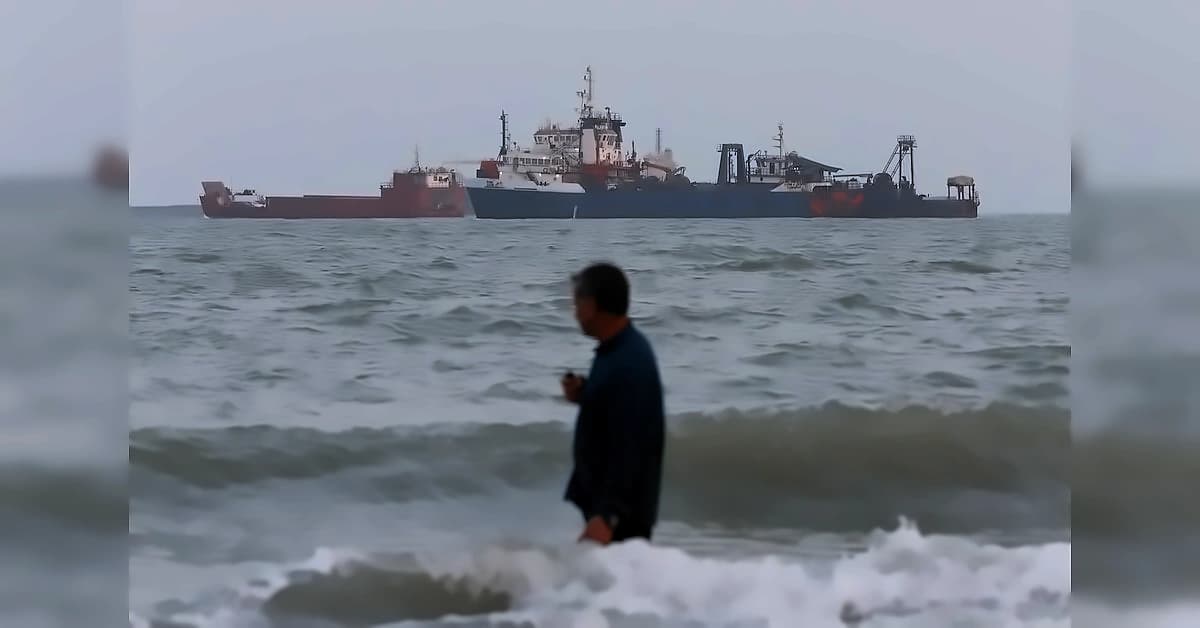
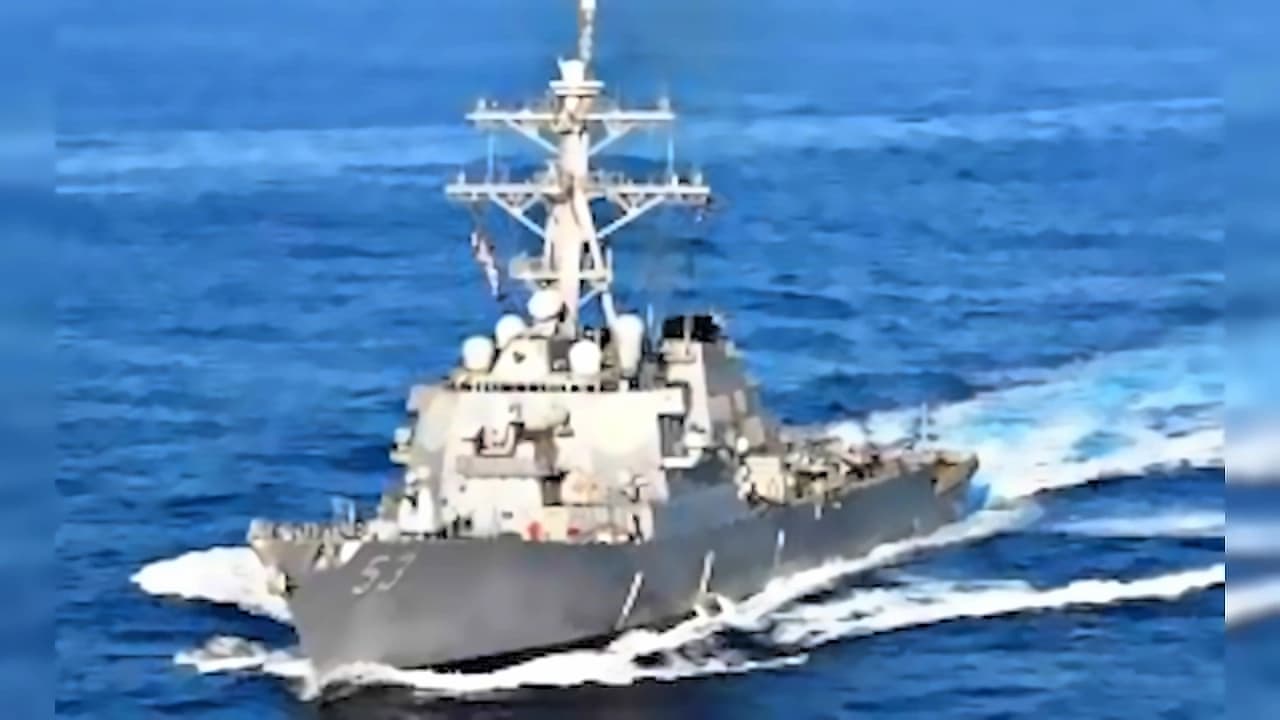
The United Arab Emirates has halted all trade, commercial exchanges and financial transactions with Iran, with the UAE foreign ministry stating the measures would remain in place 'until further notice'. As reported by Upstox News Desk, Afra Al Hameli, director of the Strategic Communications Department at the UAE Ministry of Foreign Affairs, announced the comprehensive suspension following the missile incident. The decision comes after the UAE said its air defences detected two ballistic missiles launched from Iran, with one missile falling outside UAE territorial waters while the second landed inside the country's territory. An assessment found that both missiles had been directed at maritime navigation and fell into the sea, with no casualties or damage reported.
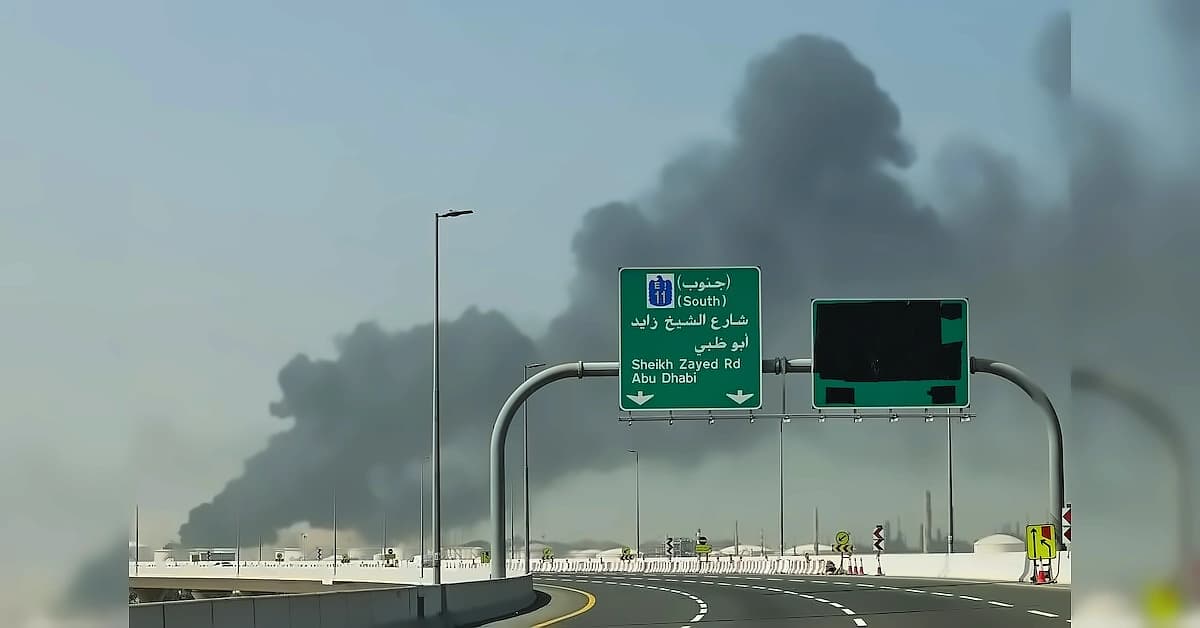
The UAE interior ministry issued a brief phone alert warning residents of a 'potential missile threat' that was quickly lifted shortly afterwards. The alert stated: 'Due to the current situation, potential missile threats, immediately seek a safe place in the closest secure building.' This represents the first such emergency alert since July and the latest in a series of alerts issued during the conflict. The emergency response underscores the serious nature of the detected threat and the UAE's proactive approach to protecting its citizens during regional tensions, with the incident marking the first direct Iranian attack on the UAE since May.
While the UAE has accused Iran of launching missiles towards the Gulf state, Tehran has rejected these allegations and suggested the incident was a 'false flag operation.' Iranian Foreign Ministry spokesman Esmaeil Baqaei on Wednesday rejected the UAE's assertion that Tehran had launched a missile towards its territory, describing the allegation as 'unfounded' and saying such claims ran counter to good-neighbourly relations and efforts to build trust among regional countries. The Iranian spokesperson urged regional states to refrain from what he called 'baseless allegations against Iran', citing the 'complex regional circumstances' created by continued US and Israeli activities. Baqaei also referred to what he described as 'a history of alleged false-flag operations in the region'.
The comprehensive trade suspension represents a significant escalation in regional tensions, with the UAE foreign ministry stating its decision was linked to regional escalations that undermine regional and international peace and security. The UAE remains committed to dialogue, cooperation and regional integration as means of promoting peace, stability and prosperity, while also committed to safeguarding the integrity of the international financial system and complying with international law and global standards. The UAE's economic relationship with Iran represents a critical lifeline for Tehran's economy, with Dubai having quietly become Iran's most important trading partner, supplying roughly a third of everything Iran imports each year.
The latest confrontation comes amid rising tensions over the Strait of Hormuz, a key route for global oil and gas shipments. Tuesday's attack came a day after a 60-day window for US-Iranian peace talks expired without a breakthrough in the more than five-month-old conflict. In the war's first six weeks, Iran targeted the UAE with retaliatory strikes more than any other Gulf country, launching more than 530 ballistic missiles, dozens of cruise missiles and over 2,200 drones at what it described as US assets. The incidents have added to concerns over the safety of commercial shipping through the Strait of Hormuz and the wider Red Sea region, both vital routes for global trade, with the UAE continuing to face security challenges in its maritime operations.