Oil prices recovered on Wednesday as markets responded positively to hints of progress in U.S.-Iran negotiations, with Brent crude futures for July sinking 2.5% to $109.25 a barrel and U.S. West Texas Intermediate crude dropping 1.9% to $102.35 a barrel by 04:44 ET. Both contracts had declined about 1% on Tuesday, reflecting continued volatility in energy markets. The price recovery came after U.S. President Donald Trump told lawmakers on Tuesday evening that the Iran war could end 'very quickly', having earlier this week said he postponed a planned attack against Iran and that negotiations with Tehran were going well. Vice President JD Vance also struck an optimistic tone, stating that Tehran wanted to make a deal. However, recent developments show Trump has now given Iran 'two to three days' to reach a deal, warning that military action remains an option if no agreement is reached.
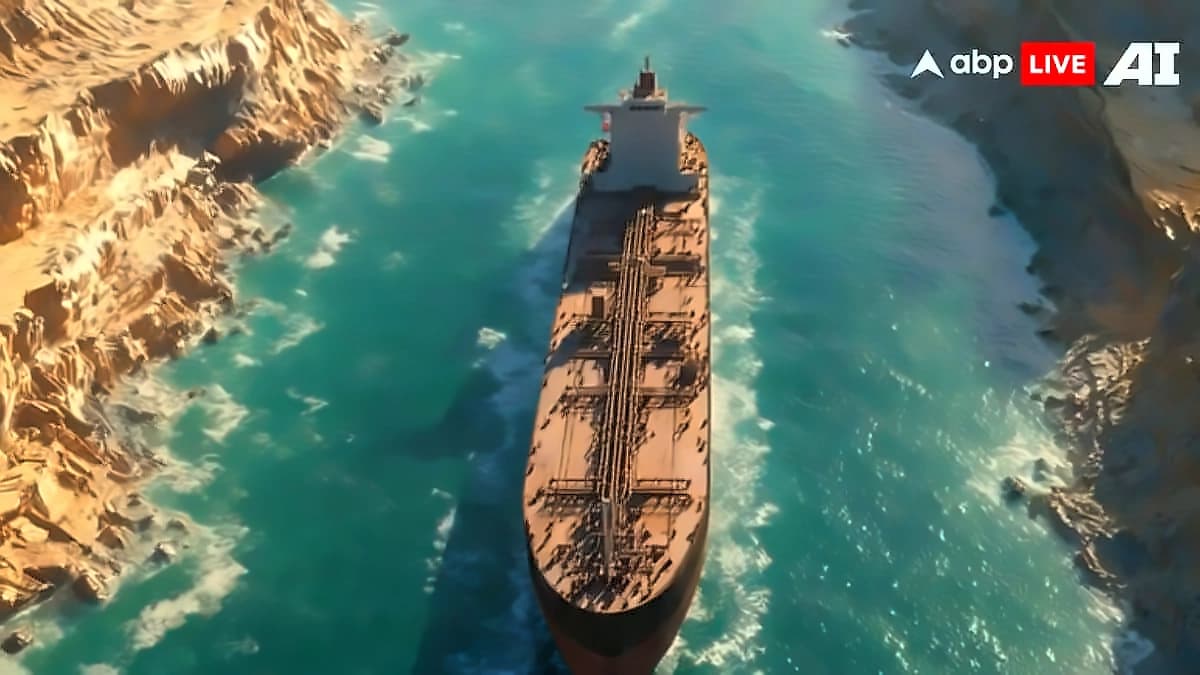
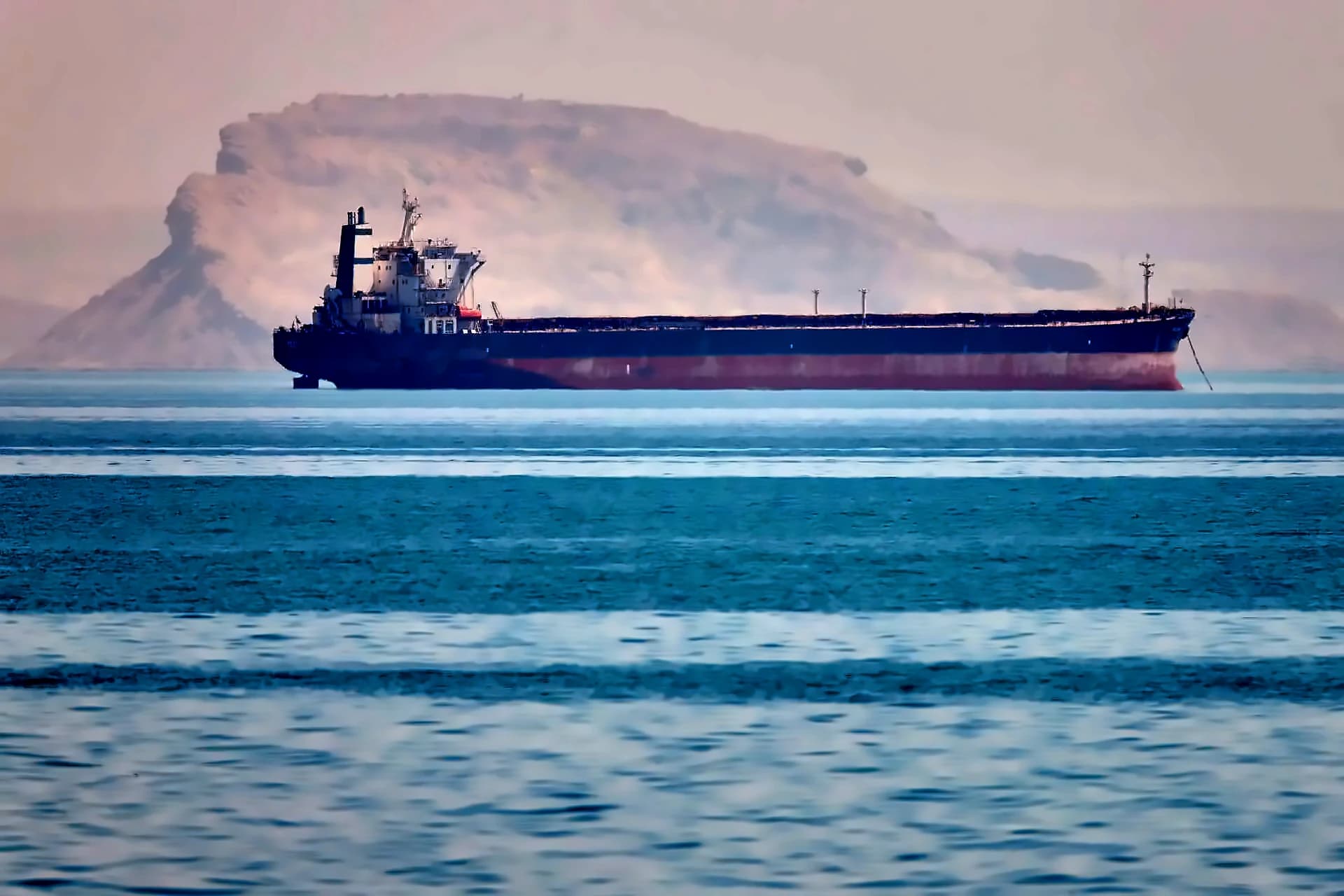
Two Chinese-flagged supertankers carrying oil exited the Strait of Hormuz on Wednesday, raising hopes for a renewal to supply flows through the vital waterway, according to shipping data from LSEG and Kpler. The ships are among a handful of supertankers exiting the Gulf this month via a transit route that Iran has ordered ships to use. The US-Israeli war on Iran, which began on February 28, has severely curtailed shipping through the Strait of Hormuz, through which around one fifth of the world's supply of oil and energy normally flows. Iran has largely shut the strait to all ships apart from its own since the campaign began, causing the biggest disruption to global energy supplies in history.
The South Korean-flagged Very Large Crude Carrier (VLCC) Universal Winner, carrying 2 million barrels of Kuwaiti crude loaded on March 4, is exiting the strait following the departure of two Chinese tankers on Wednesday, as reported by shipping data. Kpler data showed the tanker is heading to Ulsan, where the country's largest refiner SK Energy is located, to discharge its cargo on June 9. South Korea's foreign minister confirmed on Wednesday that a Korean tanker was crossing the strait in cooperation with Iran. SK Energy declined to comment, while a spokesperson for HMM, the owner and manager of the VLCC, could not be immediately reached for comment.
The Chinese-flagged VLCC Yuan Gui Yang loaded 2 million barrels of Iraqi Basrah crude on February 27, a day before the US-Israeli war on Iran started, according to the data. The vessel, chartered by Unipec, the trading arm of Asia's largest refiner Sinopec, which exited the strait earlier on Wednesday, is expected to reach Shuidong Port near Maoming city in southern Guangdong province on June 4 to discharge its cargo. Iran had announced last week, while Trump was in Beijing for a summit, that it had reached agreement to ease rules for Chinese ships. Sinopec, Sinochem and Cosco Shipping, which own and manage Yuan Gui Yang, did not immediately respond to requests for comment.

Markets are now awaiting upcoming U.S. inventory data for more cues on oil stockpiles in the face of continued supply disruptions. Data from the American Petroleum Institute showed a 9.1 million barrel draw last week, much bigger than expectations for a 3.4 million barrel draw. The API data usually heralds a similar print from official inventory data, which is due later on Wednesday. U.S. inventories are expected to have been drawn down sharply in recent weeks, as the country ramped up oil exports to offset overseas supply shocks. Trump has ordered the release of 172 million barrels of oil from the Strategic Petroleum Reserve to stem supply shocks from the Iran conflict.
Iran, in its latest peace proposal earlier this week, called for ending hostilities on all fronts, the exit of U.S. forces from the region, and reparations for damage from the war, according to state media reported on Tuesday. The U.S. had largely rejected Iran's prior offers, arguing that ending the country's nuclear ambitions remained a key demand in any negotiation. Despite Trump's threats, Vice President JD Vance said negotiations were going well, stating 'We're in a pretty good spot here.' Six weeks since Trump paused the operation for a ceasefire, talks to end the war have largely stalled, with Iran submitting a new offer this week that repeats terms previously rejected by Trump, including demands for control of the Strait of Hormuz and compensation for war damage. Iran has now warned that the Middle East war would spread far beyond the region if the United States and Israel resumed their attacks.