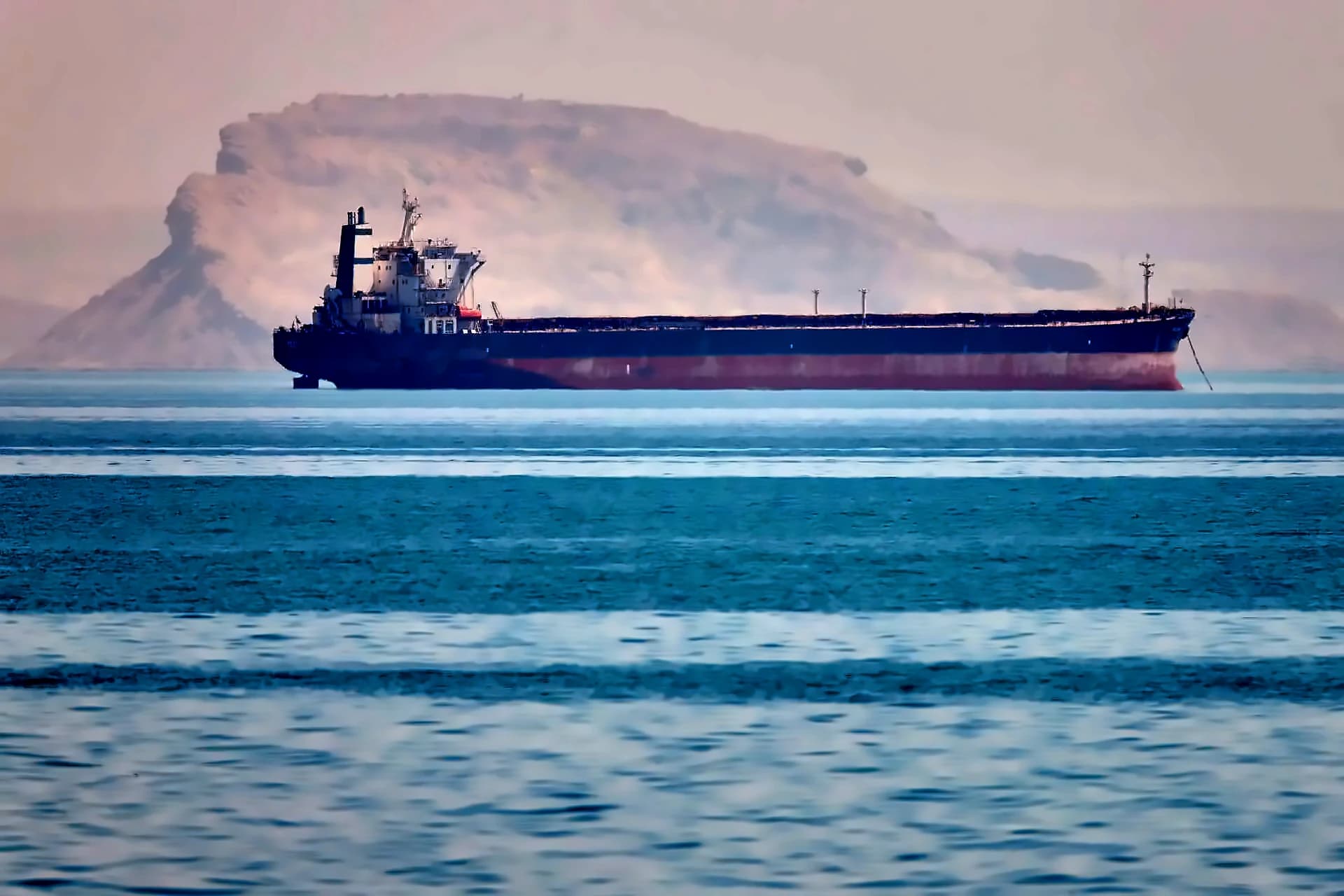
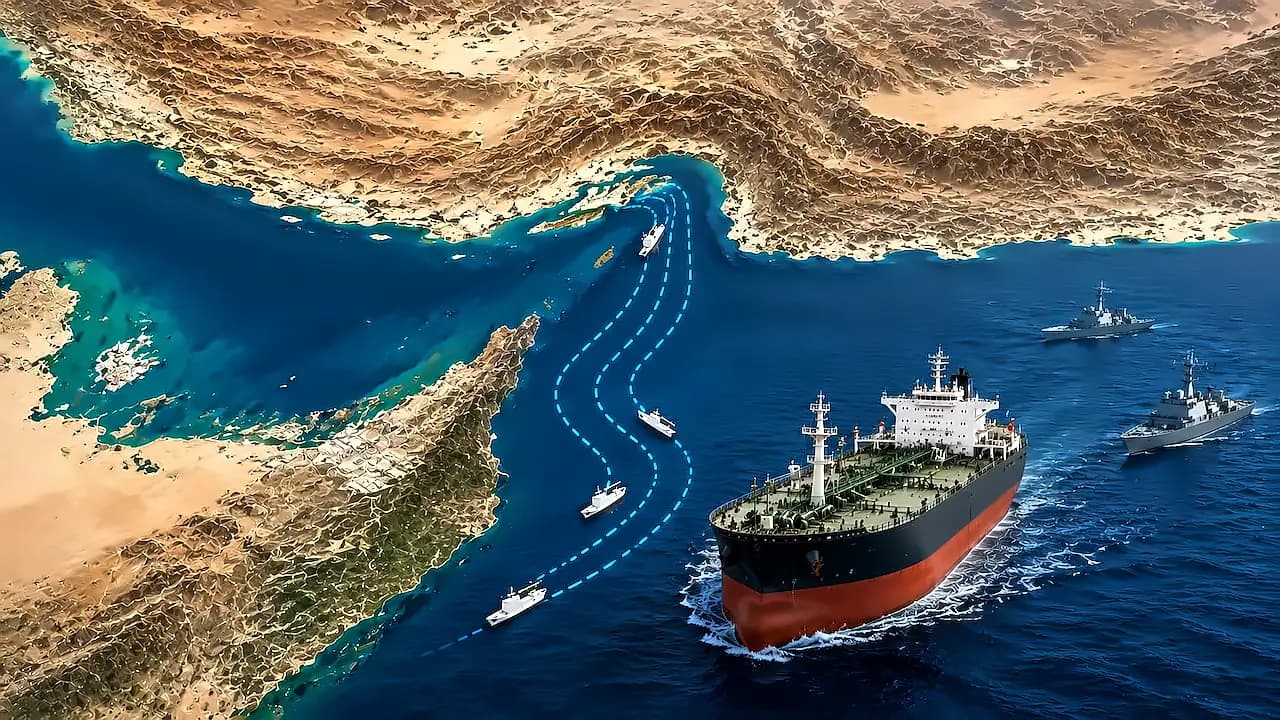
The Strait of Hormuz has experienced renewed tensions following a four-day exchange of fire between Iran and the United States that left shipowners cautious about transiting the narrow waterway. According to Oilprice.com, the U.S. Central Command (CENTCOM) forces conducted strikes against multiple targets in Iran on Friday and Saturday in response to attacks on two vessels near the strategic corridor. The escalation began with the Thursday attack on the container ship Ever Lovely, which prompted some shipowners to pull back and wait for additional information about transit safety. The situation intensified when an Iranian attack on a Panama-flagged oil tanker, Kiku, carrying more than 2 million barrels of crude oil occurred while transiting the Strait on Saturday morning at 4:30 a.m. ET. As reported by CENTCOM, Iran was given a chance to honor the ceasefire agreement but elected not to when its forces launched a one-way attack drone that hit M/T Kiku. After the flare-up this weekend, the U.S. and Iran have reportedly agreed to cease attacks ahead of tentatively planned new talks this week.
The Strait of Hormuz is showing signs of recovery after a period of tense operations following Iran's recent attacks on ships passing through the strategic corridor. According to reports from The Times of India, the waterway is now slowly regaining its rhythm with more operators edging crude carriers back into the Persian Gulf. Kpler data cited by Bloomberg showed around 24 commodity vessels, including oil tankers, liquefied natural gas carriers and bulk ships, passed through the strait in both directions on Monday. However, as reported by Oilprice.com, tanker traffic through the Strait of Hormuz has declined since late last week as vessel owners and operators remain cautious amid the renewed hostilities between Iran and the United States. Recent data from Kpler shows 22 ships passed through the waterway on Sunday, down from 38 on Saturday, indicating continued volatility in traffic patterns. Latest maritime tracking data from MarineTraffic and other trackers like Windward and Shipfinder report low double-digit transits in recent days, with figures around 25-42 verified or tracked transits on certain days in mid-to-late June, well below pre-conflict averages of 50-100+ vessels per day.
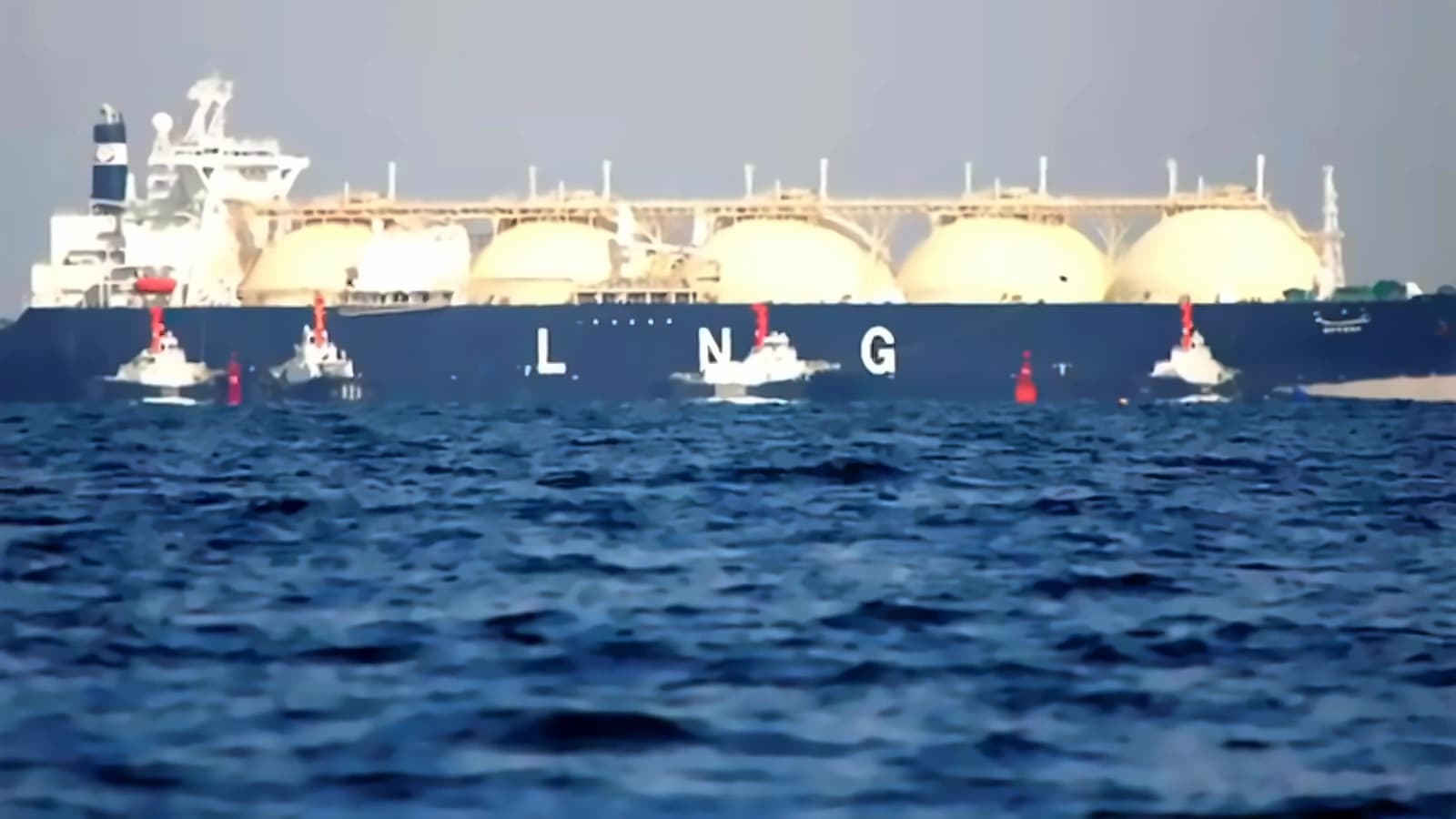
The renewed movement follows US strikes on Iran carried out after the ship attacks, after which both sides agreed to halt hostilities ahead of planned peace talks this week. As reported by The Times of India, tankers run by private operators accounted for most of the ships heading into the Persian Gulf. A Saudi Arabian-flagged supertanker also re-entered the Gulf after crossing the strait with its transponder turned off. However, according to Oilprice.com, the attacks on commercial vessels and U.S. retaliatory attacks continue to test not only the fragile ceasefire, but also the willingness of shipowners and operators to press on with transits through Hormuz. The traffic patterns vary significantly, with outbound and inbound flows often favoring one direction based on recent risk assessments, as reported by Shipfinder. Many vessels have been held outside the strait or rerouted, with backups reported at times. Although traffic through the Strait of Hormuz has resumed and more vessels are openly broadcasting their position, a return to normality is far from certain and far from near amid persistently volatile operating conditions in the Middle East and its key shipping lane.
Together, the vessels are capable of carrying up to 9 million barrels of crude, signalling growing confidence among shipowners to use the route again. According to The Times of India, shipowners, traders and investors have been watching closely for signs of tanker re-entry into the Gulf, which is critical for regional producers to restart output. However, as reported by Oilprice.com, since a weekly peak of vessels transiting Hormuz on June 24, traffic has materially eased, both in the outbound and inbound directions, according to ship-tracking data by Kpler compiled by Bloomberg. The traffic recovery comes after the waterway was heavily choked following US-Israel joint strikes on Iran on February 28. The current traffic levels remain significantly lower compared to normal pre-war levels due to ongoing security concerns, insurance issues, and attacks on shipping, with many vessels continuing to be held outside the strait or rerouted.
The price of Brent crude, the international benchmark for oil, edged up by 0.92% to $72.78 as of 10:27 a.m. EDT, reflecting market concerns over the ongoing tensions. According to The Times of India, shipowners, traders and investors have been watching closely for signs of tanker re-entry into the Gulf, which is critical for regional producers to restart output. However, industry experts remain cautious about the long-term outlook. Takaya Soga, chief executive of Japan's NYK Line, warned in an interview on Sunday that the Strait of Hormuz will operate at less than half of prewar levels for months even if the Iran-US peace deal holds. As reported by the Financial Times, Soga noted that "the routes available for navigation are extremely limited — they're very narrow corridors." The fragile truce between Iran and the United States broke down on Thursday after Tehran reiterated its demand for ships transiting the Strait of Hormuz to obtain permits for its approved passageway, warning that other routes were "unacceptable and completely dangerous." President Trump has publicly stated that US-Iran peace talks are resuming or scheduled, including references to potential meetings in Qatar/Doha as early as Tuesday, though reports indicate uncertainty and disputes over details with no full confirmation from Iran. According to Business Standard, freight rates have surged on major maritime routes by as much as 197% since the conflict began, with India seeing container freight rates to West Asia surge tenfold at the height of the conflict.