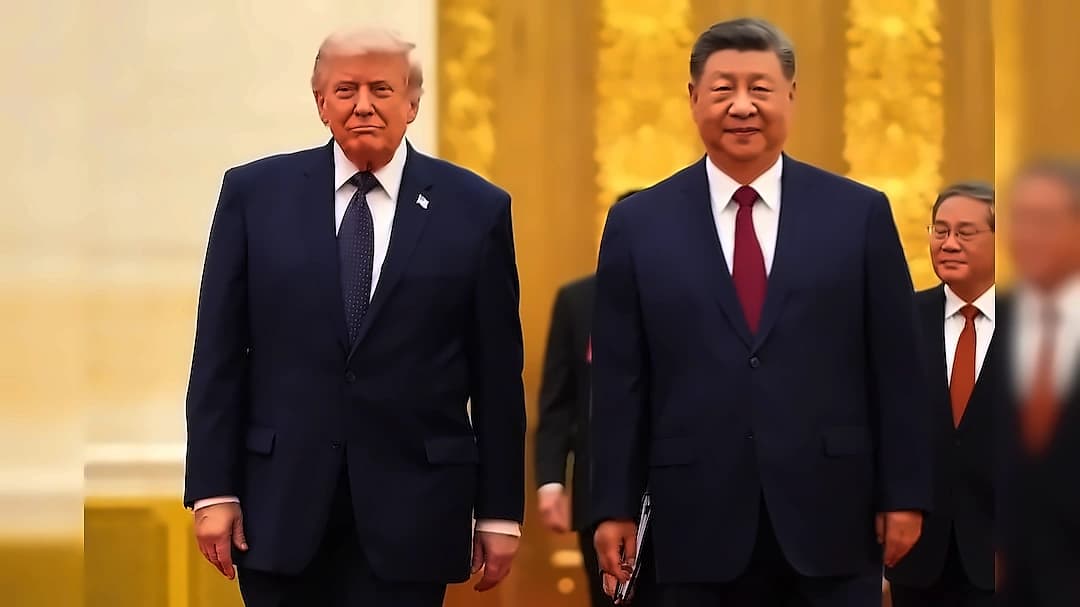
US President Donald Trump has confirmed that his patience with Iran is running out and expressed frustration with the ongoing conflict, as reported by Reuters. Speaking aboard Air Force One as he returned from Beijing, Trump stated that Chinese President Xi Jinping had agreed that Tehran must reopen the Strait of Hormuz, though China gave no indication it would weigh in. Trump emphasized that "I'm not asking for any favors because, when you ask for favors, you have to do favors in return." When asked whether Xi had made any firm commitment to pressure Iran, Trump responded that "We've wiped out their (Iran's) armed forces, essentially. We may have to do a little cleanup work." The president has threatened to attack Iran again if it does not agree a deal, with talks on ending the war having been on hold since last week when Iran and the US each rejected the other's proposals.
US President Donald Trump has confirmed that China offered to help broker an end to the Iran conflict and ensure freedom of navigation through the Strait of Hormuz, as reported by SCMP. Speaking during his visit to Chinese President Xi Jinping in Beijing, Trump said his counterpart offered assistance, though China has not explicitly confirmed this offer. According to a White House official readout, the two sides agreed that the Strait of Hormuz must remain open to support free energy flow. Trump stated that President Xi would like to see a deal made and expressed willingness to provide help, while clarifying that China would not provide military equipment to Iran. China is the Islamic Republic's largest oil buyer and a key diplomatic partner, granting it significant sway over Tehran, as reported by Bloomberg. During his interview with Fox News host Sean Hannity, Trump emphasized that China's relationship with Iran was discussed extensively as tensions continue across the Middle East. "He said he's not going to give military equipment. That's a big statement," Trump said. "He said that today. That's a big statement. Said that strongly."
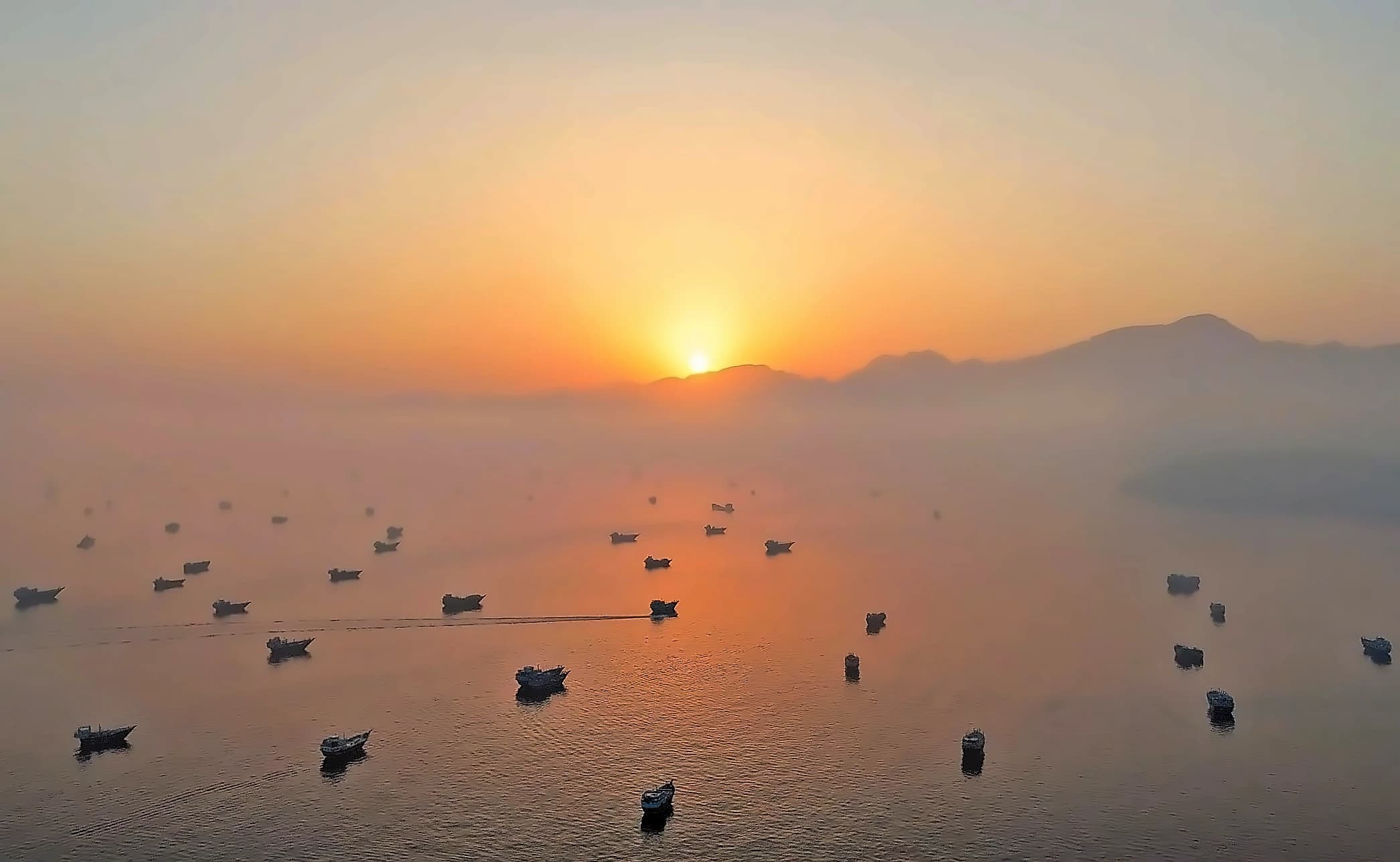
A commercial vessel was apparently seized by unauthorized personnel near the United Arab Emirates earlier on Thursday, adding to uncertainty over Strait of Hormuz control, according to Bloomberg. The ship, whose identity wasn't disclosed, was taken 38 nautical miles off the UAE coast, as reported by the UK Maritime Trade Operations. The vessel was bound for the Islamic Republic, highlighting the ongoing tensions in the critical shipping lane that handles about a fifth of the world's oil and liquefied natural gas supply. The incident occurred as there appears to be an uptick in vessels transiting the strait, with its effective closure since the US and Israel began bombing Iran in late February upending energy markets and leading to global supply shortages. Attacks on shipping have prevented almost all traffic, though a huge Chinese tanker and another linked to Japan crossed the strait on Wednesday.
Iran announced that a number of Chinese vessels will transit the strait following discussions with Beijing's foreign ministry, according to the semi-official Fars news agency, as reported by Bloomberg. Vessels will be allowed through according to Iranian management protocols. Iranian state TV reported that over 30 ships have been allowed passage through the strait since Wednesday night, according to an official from the Islamic Revolutionary Guard Corps' navy. Meanwhile, the US hasn't commented on movements through the Persian Gulf's chokepoint, where 10 vessels carrying oil, fuel and gas have made it through since Sunday, an increase from recent weeks. The UAE said it would speed up building a new pipeline to its port in Fujairah just outside the strait, after a vessel heading to it was sunk this week and another was boarded and redirected to Iran. Iranian Foreign Minister Abbas Araqchi said Tehran had received messages from the US indicating Washington was willing to continue talks, telling reporters in New Delhi that "We hope that, with the advancement of negotiations, we will reach a good conclusion so that the Strait of Hormuz can be completely secured and we can expedite the normalisation of traffic through the strait."
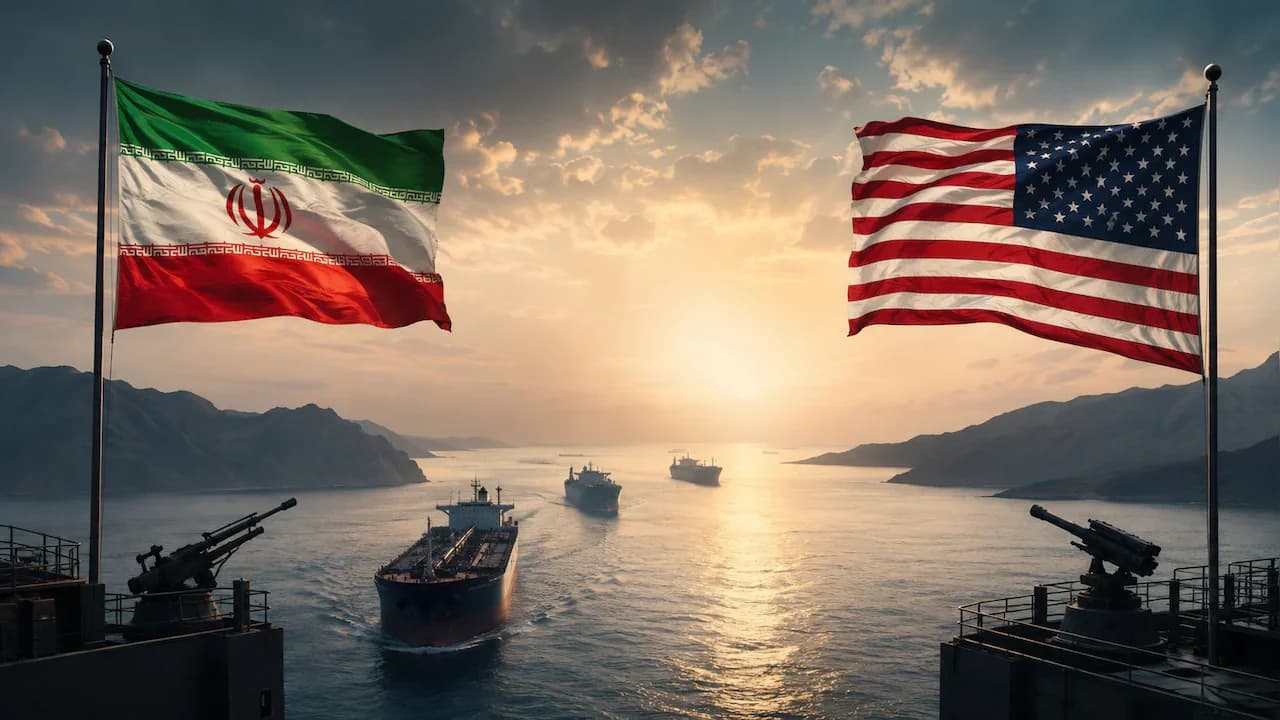
Oil prices rose around 2% to around $108 a barrel on Thursday, with the latest surge driven by concerns over a lack of progress in resolving the Iran conflict, as reported by Reuters. Crude has risen by nearly 50% since the war began, with the International Monetary Fund warning of a broad global growth slowdown. The US-Iran ceasefire that's been in place since April 8 has broadly held, though negotiations have reached a deadlock. Iran continues to resist US demands to reopen Hormuz and insists on Washington ending its naval blockade and unfreezing billions of dollars of Iranian assets. The war has upended Middle Eastern geopolitics, with closer military and intelligence collaboration between the UAE and Israel, including coordinated airstrikes against Iran in early April. U.S. Treasury yields hit their highest in around a year as traders anticipated the Federal Reserve may need to hike rates to rein in inflationary pressures from the blockade.
The US has destroyed more than 90% of Iran's inventory of around 8,000 naval mines, according to the commander of US forces in the Middle East, as reported by Bloomberg. Despite weeks of heavy US-Israeli bombardment, Iran's military still has operational access to 30 of its 33 missile sites along the Hormuz strait and has retained roughly 70% of its prewar missile stockpile, according to US intelligence assessments. Trump told reporters on Air Force One that "We had a total military victory, but the fake news, guys like you, write incorrectly." He claimed the US knocked out Iran's entire Navy, Air Force, and anti-aircraft weaponry, stating "We knocked out all of their leaders, number one." The war is upending Middle Eastern geopolitics, with closer military and intelligence collaboration between the UAE and Israel, including coordinated airstrikes against Iran in early April. Thousands of Iranians were killed during the US and Israeli air strikes, and thousands have been killed in renewed fighting in Lebanon between Israel and the Iran-backed group Hezbollah, with a fragile ceasefire in Lebanon due to expire on Sunday.