US Secretary of State Marco Rubio announced that the country wants to end Russia oil sanction waivers soon, testifying before the Senate Foreign Relations Committee on Tuesday. According to NDTV Profit, Rubio stated that "we would like to end it as soon as we possibly can, because the underlying policy of this country is to sanction their (Russia's) oil." The waivers were originally implemented as time-limited extensions for the purpose of opening up more global supply, but Rubio emphasized that "the underlying policy remains the same." When asked about the general licensing that expires on June 17, Rubio stated it is "ultimately a decision made by Treasury," adding that it would "depend upon the circumstances of that time." The move represents a significant shift in US policy toward Russian energy exports, as the waivers have been a key mechanism for allowing Russian oil to reach global markets despite sanctions. Rubio's remarks during a Senate Foreign Relations Committee hearing revive a familiar irritant in US.-India relations, with the Trump administration now targeting countries such as India that have benefited from special arrangements allowing Russian oil imports.
US Secretary of State Marco Rubio firmly rejected the possibility of easing sanctions on Iran in return for reopening the Strait of Hormuz, testifying before the Senate Foreign Relations Committee on Tuesday. According to NDTV Profit, Rubio stated that "The United States is not going to provide sanctions relief simply because Iran decides to reopen the Strait of Hormuz." He emphasized that the offer for sanctions relief is "only tied to Tehran giving up its nuclear ambitions." Rubio also claimed that Iran has laid mines across large sections of the Strait of Hormuz, a narrow waterway through which a significant share of the world's oil and liquefied natural gas exports passes. This hardline stance underscores Washington's commitment to maintaining pressure on Iran while supporting the ongoing naval blockade.
The European Union is considering a temporary freeze to its price cap on Russian oil as the Middle East war enters its fourth month, according to people familiar with the matter. The bloc adopted a dynamic mechanism last year to ensure the price cap is automatically set every six months at 15% lower than the average market rate for Russian Urals crude, with the current threshold at $44.10 per barrel due for review later this summer. Under the cap, European firms are banned from providing services such as insurance and transportation involving oil sold above the threshold. The freeze would keep the price cap at the current rate, thereby limiting the windfall Russia is pocketing from current high oil prices. Other options under consideration include suspending dynamic and automatic increases until the end of the year or capping any rise to $60, back in line with the G7 level. The move would be part of the EU's latest sanctions package, the bloc's 21st since Russia's full-scale invasion of Ukraine in 2022, with the EU aiming to finalise and formally propose a package of new measures in early June.
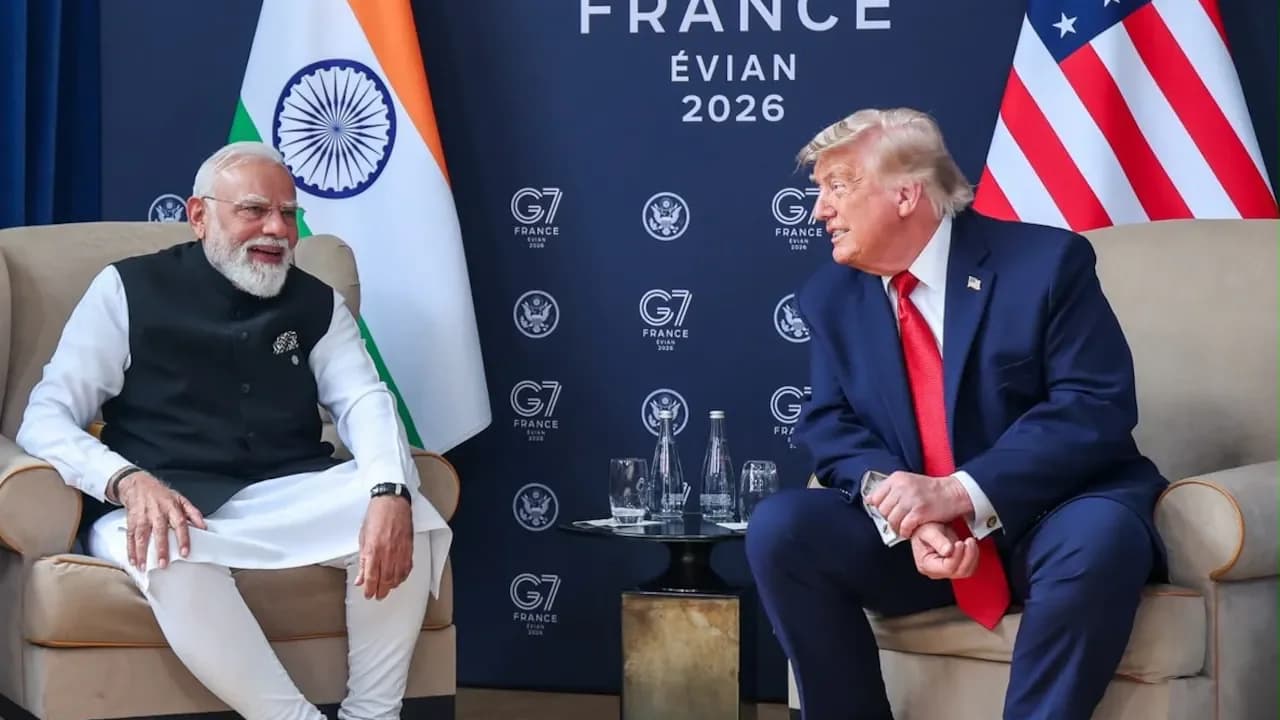
US Secretary of State Marco Rubio has renewed pressure on New Delhi's purchases of Russian oil, telling Congress on Tuesday that the Trump administration wants to end "as soon as possible" sanctions waivers and special arrangements that have allowed countries such as India to import Russian oil. According to The Times of India, Rubio's remarks during a Senate Foreign Relations Committee hearing revive a familiar irritant in US.-India relations – one in which Washington's position has often appeared to shift according to its own economic and geopolitical needs. Since Russia's invasion of Ukraine in 2022, Washington and its allies have alternated between condemning India's purchases of discounted Russian crude and quietly tolerating them, with Western governments accepting that keeping Russian oil flowing to global markets through India helped prevent a spike in global energy prices. However, the US appears eager to tighten the screws again, with Washington having repeatedly claimed it has secured commitments from India to avoid additional purchases of Russian oil, even as New Delhi insists that energy procurement decisions are driven solely by national interest and energy security. India was among the key beneficiaries of the waiver, which enabled New Delhi to resume Russian oil imports amid disruptions in global energy supply.
President Trump imposed a blockade of Iranian ports in April 2026, but the quick result he sought — reopening the Strait of Hormuz to commercial traffic — has not materialized. Military experts note that naval blockades typically require months or years to wear down an adversary, not weeks. Iran, with thousands of miles of land borders and trade routes to Russia across the Caspian Sea, has maintained alternatives to the strait. As reported by Business Standard, Adm. Brad Cooper of US Central Command testified that there has been zero trade in or out of Iranian ports, creating economic pressure for ongoing negotiations. The latest developments include explosions reported near Bandar Abbas and the Strait of Hormuz following Iranian claims involving a US tanker and IRGC naval activity, while Kuwait's air defences intercepted hostile missiles and drones as warning sirens sounded across the country. The standoff has created a unique scenario where Iran's speedboats, drones, mines and missiles have held off America's arsenal of nuclear-powered aircraft carriers with advanced fighter jets, demonstrating the effectiveness of asymmetric warfare in modern naval operations.
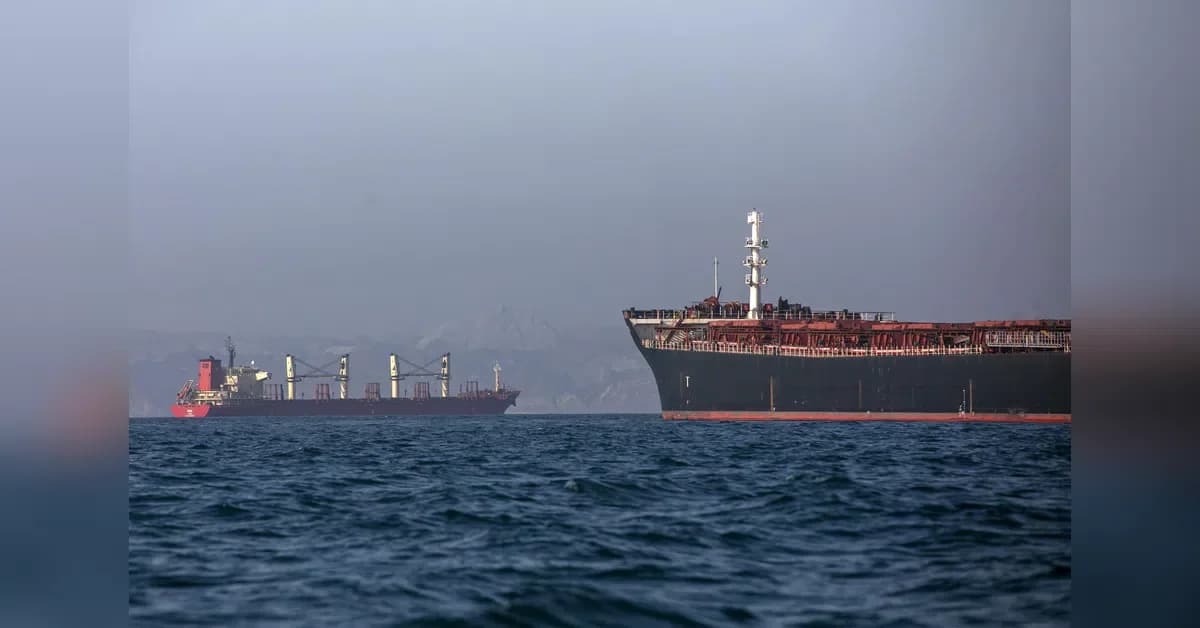
Despite the regional disruption, Saudi Arabia has been relatively buffered from the worst of the Iran war's impact due to its unique geographical advantages and energy infrastructure. The kingdom's East-West pipeline has enabled it to maintain a higher proportion of prewar oil exports than any Gulf state except Oman, with the pipeline's seven million barrels per day capacity far exceeding other regional alternatives. While Saudi Arabia's oil exports remain at 60-70 percent of prewar levels, the country has benefited from elevated oil prices after the conflict began, with Saudi Aramco reporting a 25 percent increase in first-quarter profit despite unexpected government spending increases due to the war. However, the kingdom faces secondary impacts including loss of output from refineries and petrochemical plants, as well as disruptions to natural gas output used in domestic electricity generation. The war has brought into focus key political economy challenges facing Saudi Arabia as it reassesses Vision 2030 implementation, with officials already signaling a change of course toward fiscal realism and away from massively expensive real estate projects.