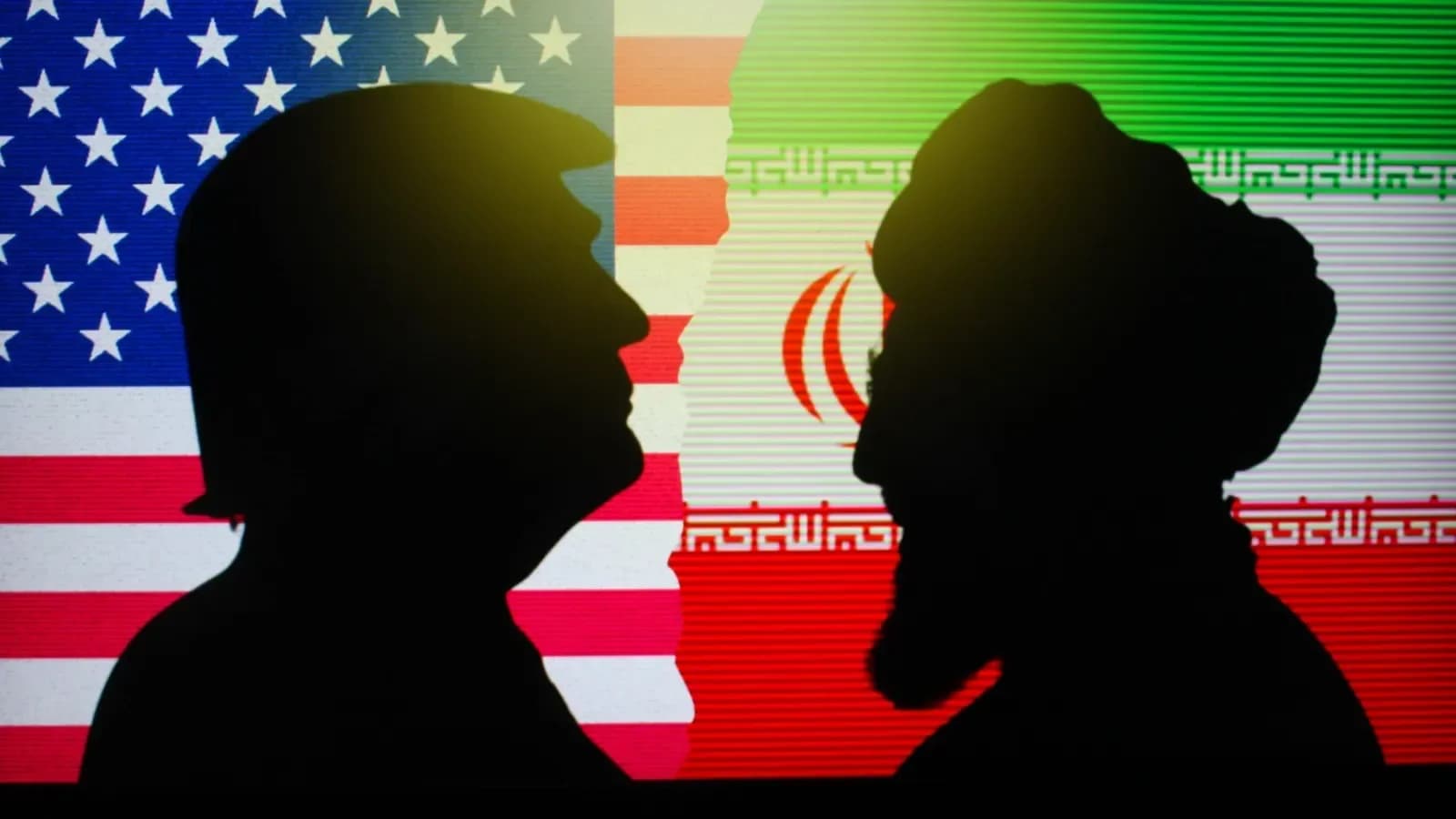
The United States has officially confirmed the suspension of sanctions on Iranian oil exports during ongoing negotiations with Tehran, marking a significant development in diplomatic relations. According to Arab News, Iran's Tasnim News Agency reported that it was told by a source that the US has accepted to waive Iran's oil sanctions during the negotiation period. This confirmation comes after President Trump announced Monday that he was calling off what he said was a scheduled attack on Iran that was supposed to happen Tuesday, citing that 'serious negotiations' are taking place toward a peace deal that will be acceptable to the U.S. and countries in the Middle East. The announcement came after Trump warned Sunday that 'the Clock is Ticking' for Tehran to accept a deal to reopen the Strait of Hormuz and end the war that is now in its 80th day.
According to Tasnim, a source close to Iran's negotiating team claims that the United States has agreed to temporarily waive sanctions on Iranian oil during the ongoing negotiation period. This represents a shift from previous US positions, where sanctions relief was not formally included in interim frameworks. The source clarifies that a 'waiver' implies a temporary suspension of restrictions rather than a full removal. However, Iran continues to insist that all sanctions must be lifted as part of any final agreement, while the US proposal reportedly suggests maintaining OFAC restrictions until a comprehensive understanding is reached. This new development suggests the US is moving toward a more flexible approach to sanctions relief during the negotiation process.
Following the confirmation of sanctions suspension, European markets recovered losses, with the STOXX 600 index briefly rising 0.2%, while Nasdaq 100 futures pared sharp declines. As reported by CNBC, the speculation over a possible waiver came amid heightened diplomatic activity between Washington and Beijing. During his recent high-stakes meeting with Chinese President Xi Jinping, Trump reportedly failed to secure China's commitment to halt imports of Iranian oil, with Trump later claiming that while Beijing agreed not to provide military support to Iran, it would continue purchasing Iranian crude. The latest developments saw oil prices swing through a shaky Monday after President Trump warned Tehran the 'clock is ticking' for a peace deal, with Brent crude gaining 0.7% to $110.05 per barrel early Monday before turning back higher. The S&P 500 rose 0.1% in early trading after European stocks reversed losses, while the Dow Jones Industrial Average was up 187 points, or 0.4% as of 10:30 a.m. Eastern time.
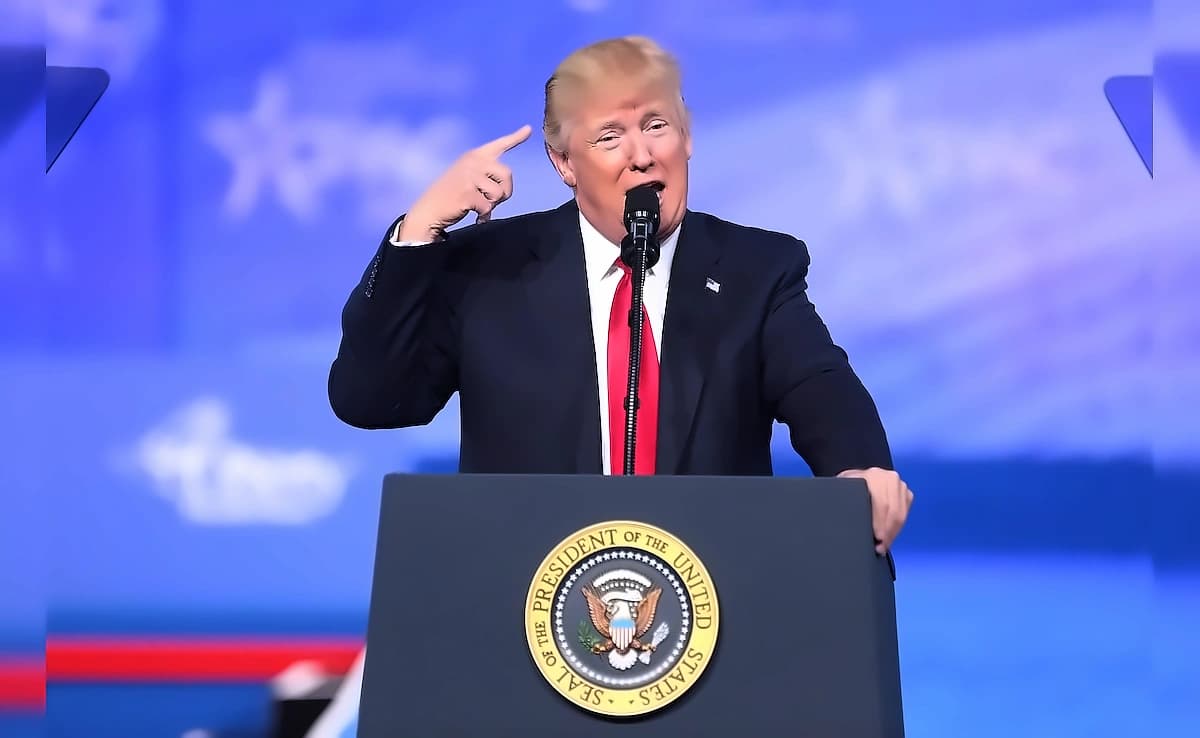
The United States has maintained a stringent sanctions regime on Iran's oil sector under its 'maximum pressure' policy. According to reports, the sanctions not only prohibit American companies from dealing in Iranian oil but also threaten penalties against foreign firms, banks and governments purchasing Iranian crude. Oil prices, which had surged earlier after Trump warned that 'the clock is ticking' on Iran and urged Tehran to 'get moving' on stalled talks, later eased slightly with Brent crude trading marginally lower near $108.75 and West Texas Intermediate slipping 0.9% to around $106.49. The U.S. Treasury on Monday extended its sanctions waiver for Russian oil cargoes that were already at sea by 30 days, with Treasury Secretary Scott Bessent stating the extension will provide the most vulnerable nations with the ability to temporarily access Russian oil currently stranded at sea.
According to reports, Trump has also been consulting allies, including Israeli Prime Minister Benjamin Netanyahu, on possible next steps if negotiations fail, including potential military options. Sources cited in the reports indicated that Iran may be open to a shorter suspension period of three to five years as part of a possible compromise. The diplomatic activity comes as the US maintains its maximum pressure campaign while exploring potential avenues for resolving the ongoing Iranian nuclear standoff. Iranian Foreign Ministry spokesman Esmaeil Baqaei said Monday that Tehran is continuing to 'pursue diplomacy with seriousness', but that the Islamic Republic 'will not be subdued by contradictory behavior and threats from the opposing side'. Baqaei insisted that the talks, from Tehran's standpoint, were focused 'on ending the war', and the issue of Iran's 'right to [nuclear] enrichment is recognized' as the country is a signatory of the international nuclear non-proliferation treaty. Iran's President Masoud Pezeshkian acknowledged Monday that the country had suffered amid the ongoing war with the U.S. and Israel, but he insisted the Islamic Republic was still 'fully capable of defending our nation's rights with strength'.