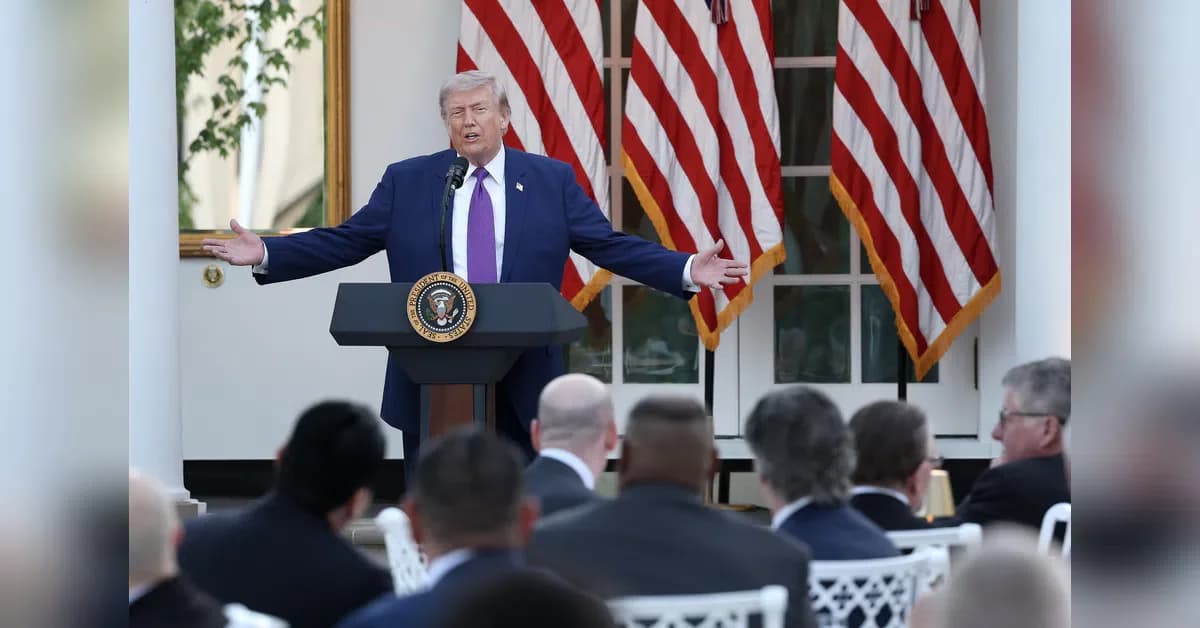
US President Donald Trump on Sunday rejected Iran's response to the American proposal seeking an end to the conflict, calling it 'totally unacceptable.' According to reports from Associated Press, Trump made the rejection via a post on Truth Social without elaborating further. Earlier in the day, Trump had accused Iran of 'playing games' with the United States and the wider international community, stating that Tehran had delayed negotiations for nearly 50 years. As per Associated Press, Trump wrote he didn't like Iran's response and called it 'TOTALLY UNACCEPTABLE!' The latest setback represents the latest setback to efforts to resolve the standoff in the Persian Gulf that has throttled shipping and sent energy prices soaring. Trump added on social media, 'They will be laughing no longer!'
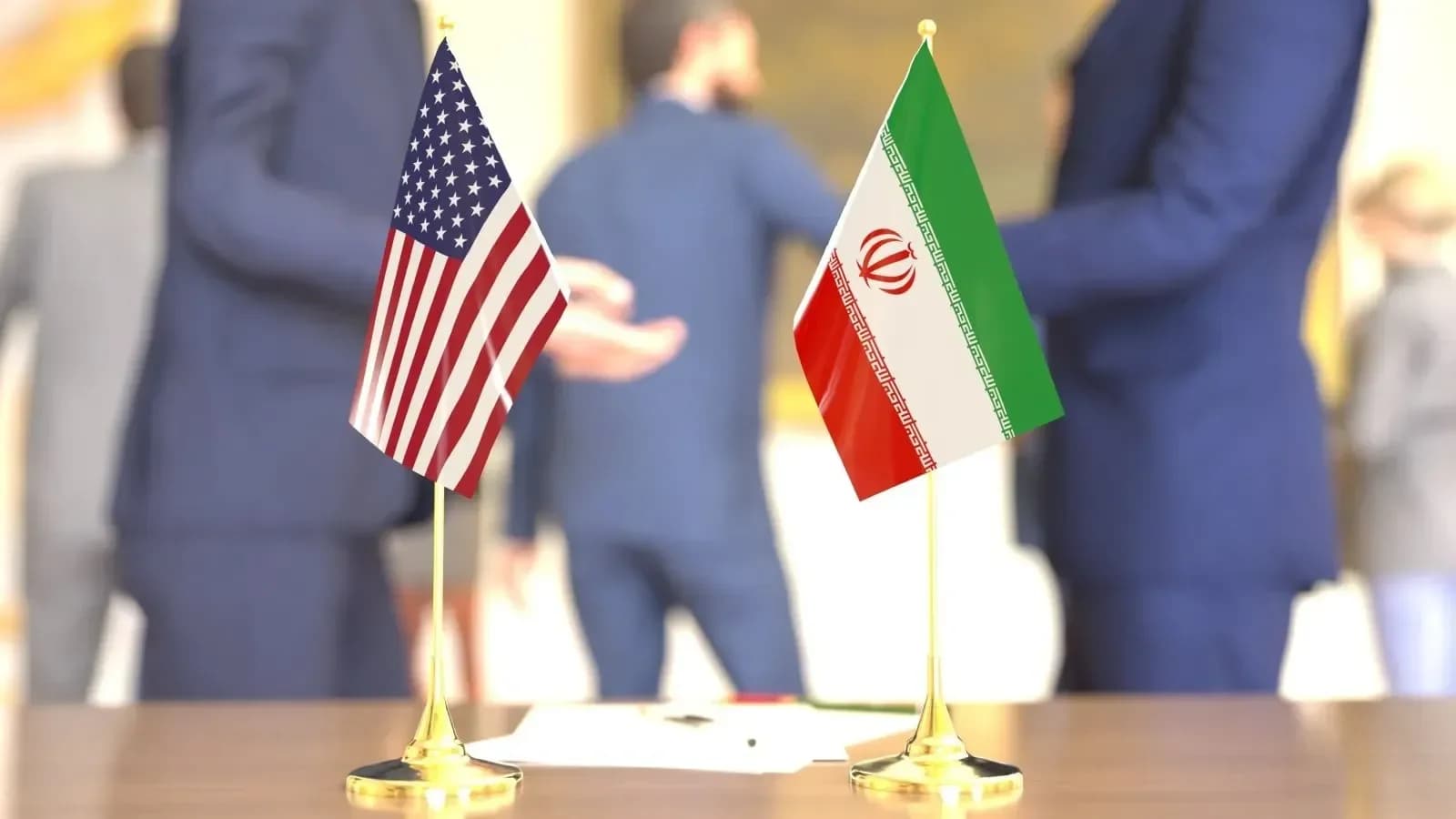
According to Iranian state television as reported by Associated Press, Tehran's response sought an end to hostilities across the region, including in Lebanon, while demanding 'war reparations by the U.S., full Iranian sovereignty over the Strait of Hormuz, an end to sanctions, and the release of seized Iranian assets.' The Iranian proposal also called on Washington to end its naval blockade, provide guarantees against future attacks, lift sanctions and remove restrictions on Iranian oil exports. According to Iran's semi-official Tasnim news agency and Iran's state-run Islamic Republic News Agency, Iran delivered its response to Pakistani mediators on Sunday. The Iranian response was submitted seeking an end to the conflict across the region, with the Islamic Republic of Iran Broadcasting stating that the Iranian 'response given to the U.S. remains in line with our previous positions, including readiness to continue the ceasefire in exchange for the reciprocal opening of the Strait of Hormuz and advancing negotiations focused on ending the war in the region.'
The latest exchange has dimmed hopes for a breakthrough in talks and reignited fears over disruptions to global oil supplies through the Strait of Hormuz, a narrow waterway through which roughly one-fifth of the world's oil passes. As reported by Associated Press, since Iran responded by closing the Strait of Hormuz to almost all shipping, the U.S. has imposed its own blockade on Iranian ports, cutting off a key route for global oil shipments and causing an economic shockwave around the world that has led to higher fuel prices. A senior Iranian military official warned that countries enforcing sanctions on Tehran could 'face problems' when their vessels transit the Strait of Hormuz, according to state media. US forces on Friday fired at Iranian-flagged oil tankers attempting to circumvent restrictions. The fragile ceasefire was tested when a drone ignited a small fire on a ship off Qatar and the United Arab Emirates reported drones entering their airspace, with the UAE shooting down two drones and blaming Iran.
Since the conflict began, Brent crude has risen by nearly USD 20 per barrel, while US crude is up by about USD 10, according to Associated Press reports. The U.S. gave various reasons for launching the war that began on February 28, including ending Iran's nuclear program, reducing its missile capabilities and forcing it to end support for regional proxies, such as Hezbollah in Lebanon. The newest proposal from Washington addressed a ceasefire deal that would end the war, roll back Iran's nuclear program and reopen the Strait of Hormuz. The White House is reportedly seeking a one-page memorandum of understanding that would end hostilities and establish a framework for negotiations over Iran's nuclear program. Meanwhile, Israeli Prime Minister Benjamin Netanyahu in an interview with CBS said the war isn't over because the enriched uranium needs to be taken out of Iran, stating 'Trump has said to me, ''I want to go in there,'' and I think it can be done physically.'
Iran's new supreme leader, Mojtaba Khamenei, who has not been seen or heard publicly since the war began, 'issued new and decisive directives for the continuation of operations and the powerful confrontation with the enemies' while meeting with the head of the joint military command, according to state broadcaster reports. An Iranian military spokesperson said forces were on 'full readiness' to protect sites where uranium is stored, with Brig. Gen. Akrami Nia telling IRNA news agency they considered it possible that the U.S. might intend to steal uranium through infiltration operations. Russian President Vladimir Putin said Moscow's proposal to take enriched uranium from Iran to help negotiate a settlement remains on the table. The U.N. nuclear agency says Iran has more than 440 kilograms (970 pounds) enriched up to 60% purity, a short, technical step from weapons grade. Iran's deputy foreign minister warned against a planned French-British effort to support maritime security in the Strait of Hormuz, stating any cooperation with illegal U.S. actions would be met with a 'decisive and immediate response from the armed forces.'