
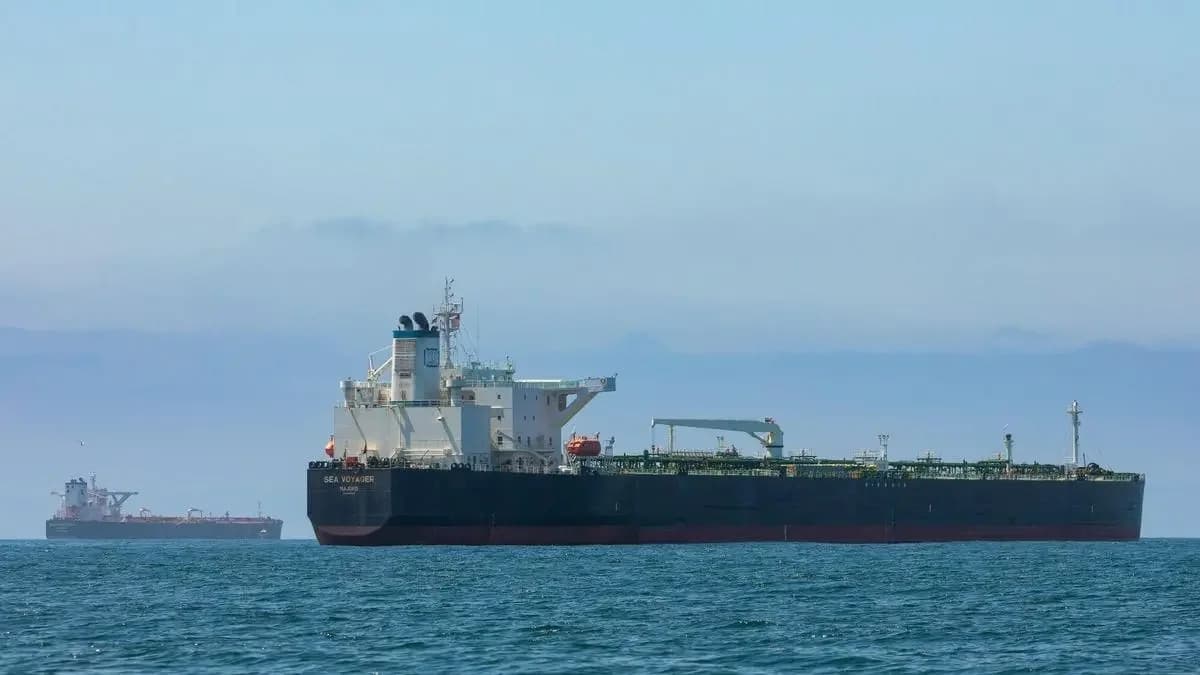
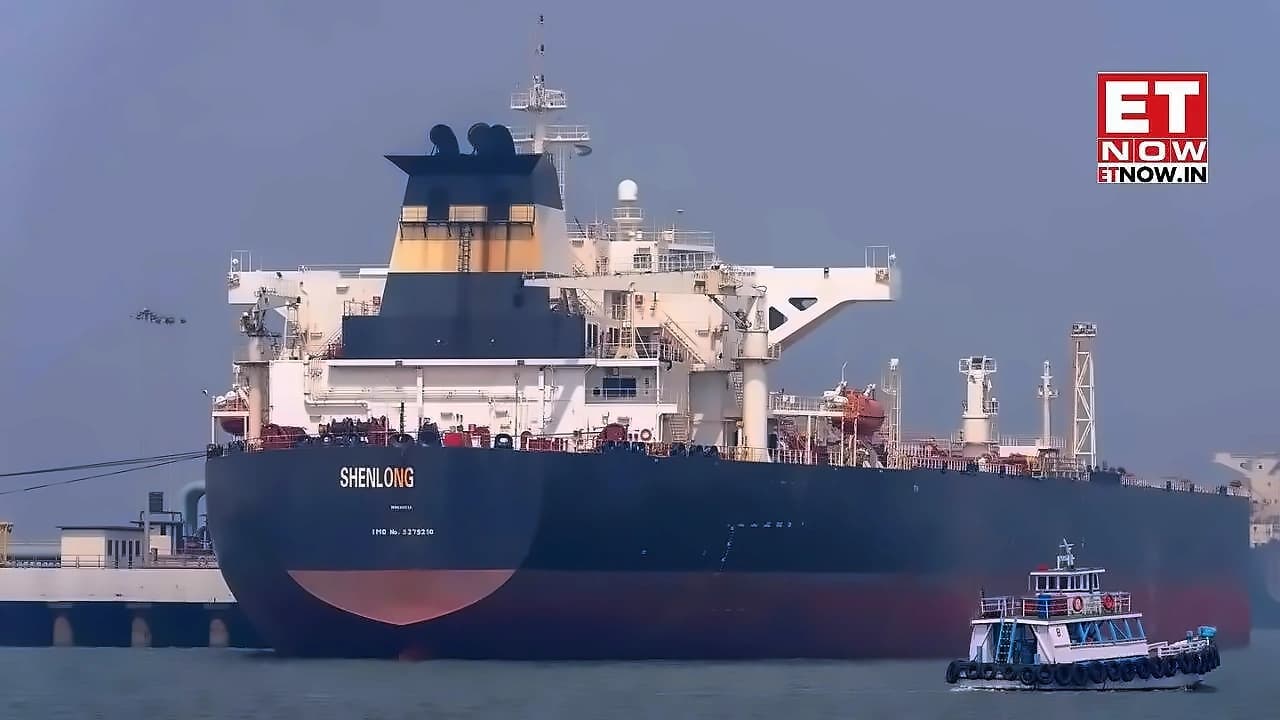
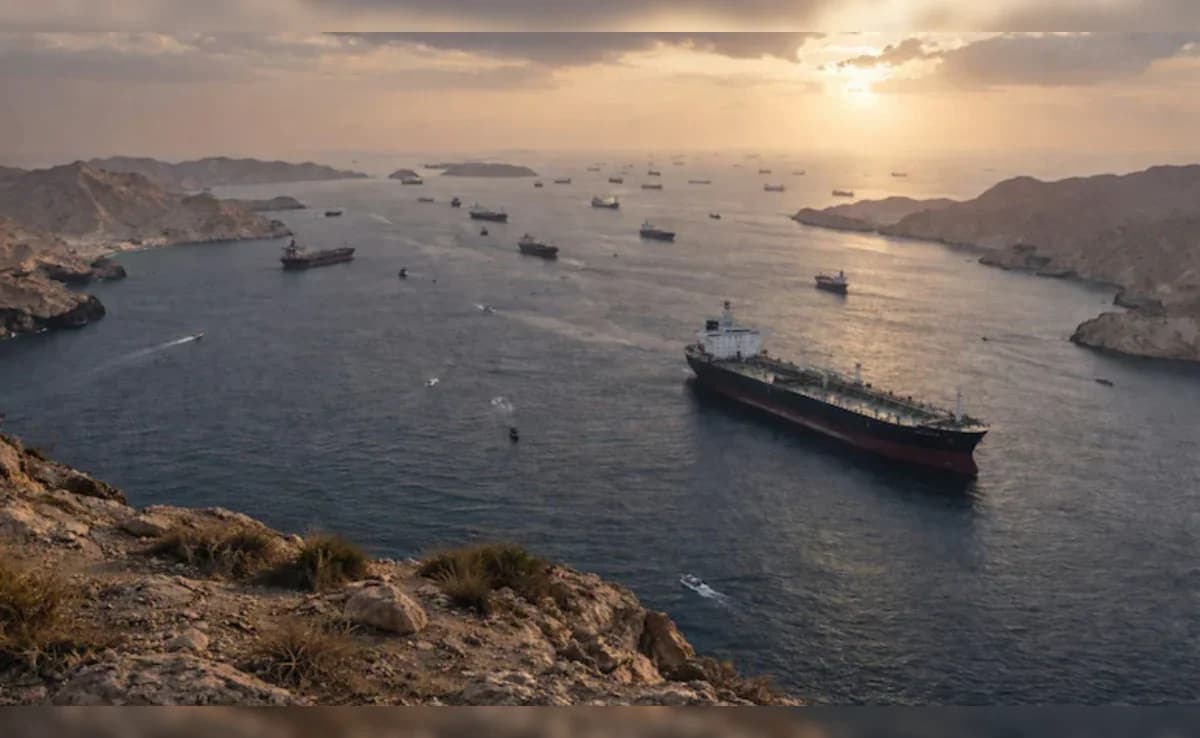
Iran has granted permission for a number of Iraqi oil tankers to pass through the Strait of Hormuz following repeated requests from Baghdad through various channels, according to Iran's state news agency IRNA reported on Saturday. Iraqi President Nizar Amedi confirmed on Saturday that Iran had facilitated the passage of vessels carrying Iraqi oil through the Strait in recent days, as reported by Reuters. Iraqi Parliament Speaker Haibet Al-Halbousi had urged Tehran to give Iraqi oil exports 'special consideration' through Hormuz during talks in Baghdad with his Iranian counterpart Mohammad Bagher Ghalibaf, who pledged to 'raise the issue' after returning to Iran. The outlets did not specify how many tankers received permission, when they would cross or how much crude they were carrying.
Obtaining special permission for Iraqi tankers was one of Baghdad's main requests during Iranian parliament speaker Mohammad Baqer Qalibaf's visit to Iraq, as reported by IRNA. Baghdad had discussed the export of Iraqi oil through Hormuz with Iranian officials during these diplomatic engagements. The development comes as Iraq has been among the countries most affected by Iran's effective closure of the Strait of Hormuz, with traffic in the strait remaining significantly below pre-war levels and ships continuing to face attacks in the area. Iraq produced around 4 million barrels of oil per day before the outbreak of the Iran war, highlighting the substantial impact of current restrictions. Additionally, Iraq has also been seeking arrangements with Iran and the United States to secure crude shipments through the waterway.
Kpler data showed only seven commodity vessels crossed the strait on Thursday, down from 14 a day earlier, with no very large crude carriers or liquefied natural gas tankers among them. The disruption has sharply reduced Iraq's southern crude exports. Shipments averaged about 1.4 million barrels per day in July, up from roughly 500,000 bpd in June and 100,000 bpd in May, but still well below pre-disruption Basrah exports of more than 3.3 million bpd.
Baghdad is working to expand its exports through multiple alternative routes to reduce dependence on Hormuz. Prime Minister Ali al-Zaidi announced on Friday that Baghdad is working to expand its exports through Turkey's Ceyhan port and also to begin exporting oil through Syria's Baniyas port and Jordan's Aqaba port. A government source told Shafaq News earlier this week that the State Organization for Marketing of Oil (SOMO) was negotiating with US and German shipping companies over Iraqi-flagged tankers. A proposed pipeline to Syria's Baniyas port could take about four years to build and cost at least $15 billion.