Iraq and Turkiye signed a significant agreement on Saturday to increase oil exports through a pipeline to the Turkish Mediterranean port of Ceyhan. According to the Iraqi Oil Ministry, Iraq signed a one-year agreement with Türkiye on Saturday to transport and load Iraqi crude oil through the Iraq-Türkiye pipeline to the Turkish port of Ceyhan. Iraqi Oil Minister Basim Mohammed Khudhair stated that the agreement will remain in effect for one year while the two countries finalise a broader framework agreement covering cooperation in oil, electricity and water resources sectors. The deal extends a decades-old arrangement that expired on Monday and provides for the continued transit of Iraqi crude through Turkey. As reported by Xinhua, Turkish Energy and Natural Resources Minister Alparslan Bayraktar emphasized that this pipeline, which safely and uninterruptedly delivers Iraqi oil to world markets via Ceyhan, has a more strategic position than ever before in terms of regional and global energy supply security.
The agreement provides for a minimum export volume of 750,000 barrels of Iraqi crude per day through the pipeline, which runs from Kirkuk in northern Iraq to Ceyhan. As reported by Xinhua, Iraq will export a minimum quantity of 750,000 barrels per day of crude oil through the pipeline. Before the conflict, Iraq was exporting around 3.5 million barrels of crude oil per day in total, with most of those exports shipped through its southern terminals via the Strait of Hormuz. The Iraq-Turkey pipeline has a maximum capacity of around 1.5 million barrels per day, though actual flows have remained significantly lower in recent years. Current shipments are around 170,000 bpd, largely originating from oil fields in Iraq's Kurdistan region, according to Turkish data cited by Firstpost. The planned exports through the Turkiye pipeline would represent part of that total export capacity, though it would not reach prewar levels. Iraqi Prime Minister Ali al-Zaidi welcomed the agreement, describing it as an important strategic milestone and saying the two governments would work towards a wider framework covering oil, electricity, water resources and other areas of cooperation.
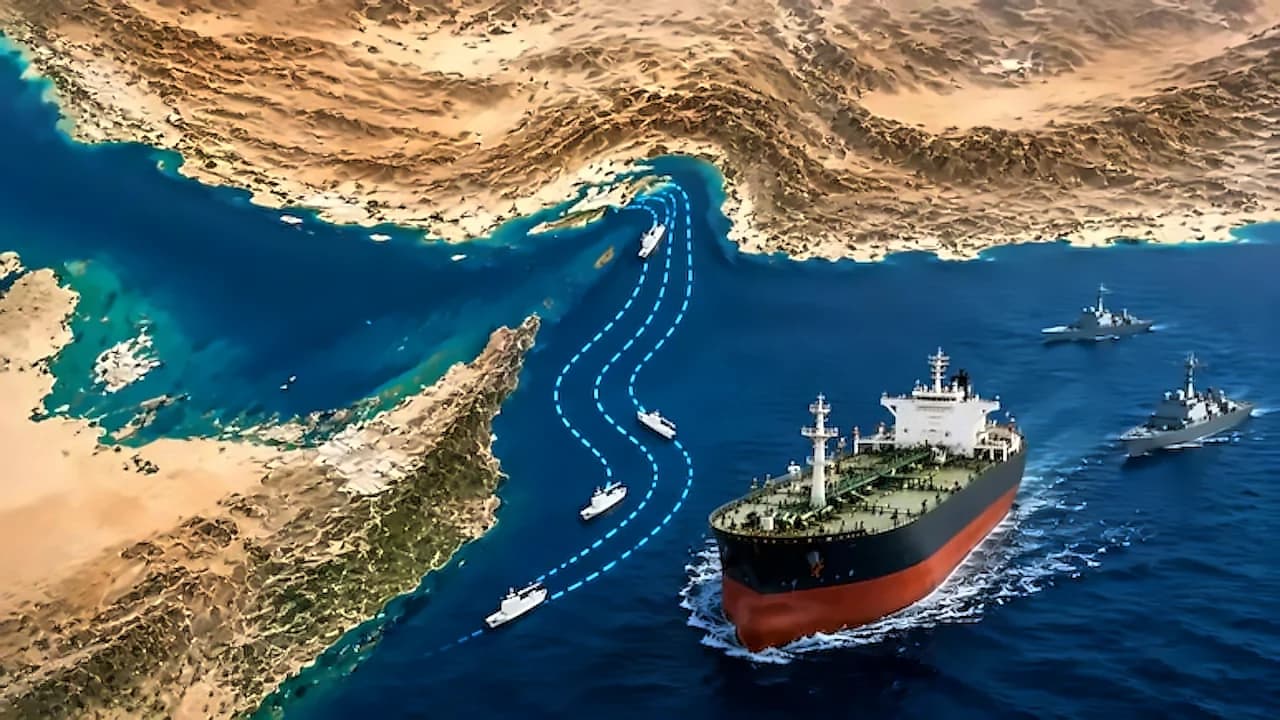
The agreement comes as Iraq moves to strengthen the resilience of its oil export infrastructure following disruptions to shipping through the Strait of Hormuz since the US-Iran war began in February. According to Xinhua, the agreement comes after the decades-old accord governing Iraqi oil exports through Ceyhan expired on Monday, as Baghdad seeks to secure alternative export routes to diversify its channels amid ongoing regional tensions impacting shipping in the Strait of Hormuz. Iraq's economy relies heavily on crude oil exports, which account for about 90 percent of the country's revenues, highlighting the importance of alternative export infrastructure. Iraq's monthly oil revenues reportedly dropped from around $6 billion to below $2 billion during the disruption, with Iran's effective closure of the Strait of Hormuz earlier this year forcing Iraq to seek alternative routes for exporting crude. The Kirkuk-Ceyhan route currently carries only a fraction of its potential capacity, while oil fields in Iraq's Kurdistan region have also faced repeated drone and missile attacks since the Iran conflict began.
The Iraq-Turkey pipeline has been largely idle since 2023 after exports from Iraq's semiautonomous Kurdish region were halted following legal and commercial disputes, although exports through it resumed in a limited capacity last year. As reported by Xinhua, Iraqi and Turkish companies will begin implementing the agreement, while the two governments will move forward, through a carefully planned process, to finalize a comprehensive framework agreement covering the oil, electricity, and water resources sectors. The signing comes days after al-Zaidi visited Ankara for talks on security, trade, energy, transportation and water management. The signing comes four days after Turkish President Recep Tayyip Erdogan and al-Zaidi met in Ankara, demonstrating the high-level diplomatic engagement behind this agreement. Ankara wants the pipeline to eventually handle crude from Iraq's southern fields in addition to supplies from the north, with one project under consideration being a pipeline connecting southern Iraq's Basra to western Iraq's Haditha and from there to the Ceyhan port in Turkiye and the port of Baniyas on Syria's coast. The arrangement, signed between Turkish state energy company BOTAS and Iraq's state oil firms SOMO and NOC, covers a transit capacity of 750,000 barrels per day.
The latest one-year arrangement is expected to provide a bridge while Turkey and Iraq negotiate a more comprehensive long-term framework for the pipeline and broader energy cooperation. According to Xinhua, Iraqi Prime Minister Ali al-Zaidi stated that the two governments will work through a carefully planned process to finalize a comprehensive framework agreement covering the oil, electricity, and water resources sectors, along with other areas of cooperation that advance our shared interests and support development and stability. Both sides have described talks on a longer-term deal as ongoing, with Ankara seeking to extend the pipeline eventually to carry crude from Iraq's southern fields as well. The deal allows oil transit of up to 750,000 barrels per day while both countries work towards a longer-term agreement covering multiple sectors. The flow of oil between the two countries is expected to extend Baghdad's only functioning oil export route to the Mediterranean, providing crucial diversification for Iraq's energy exports and supporting regional stability.