Gulf countries that have historically produced much of the world's oil are now actively breaking their dependence on the Strait of Hormuz through massive infrastructure investments. According to reports from Business Standard, these nations are building or expanding pipelines and storage capacity that can bypass the narrow waterway, representing a fundamental change in how oil exports are managed in the region. The shift marks a departure from the Gulf's previous focus on the cheapest, fastest export route toward redundancy across pipelines, ports and overseas storage. US Treasury Secretary Scott Bessent made a striking prediction in an August 8 interview, stating that the Strait of Hormuz will become "irrelevant" within two years, with more than half of energy shipments moving through underground pipelines instead. As reported by Singapore's Lianhe Zaobao, Persian Gulf nations are simultaneously advancing pipeline projects designed to bypass the Strait of Hormuz, with total investment reaching billions of dollars.
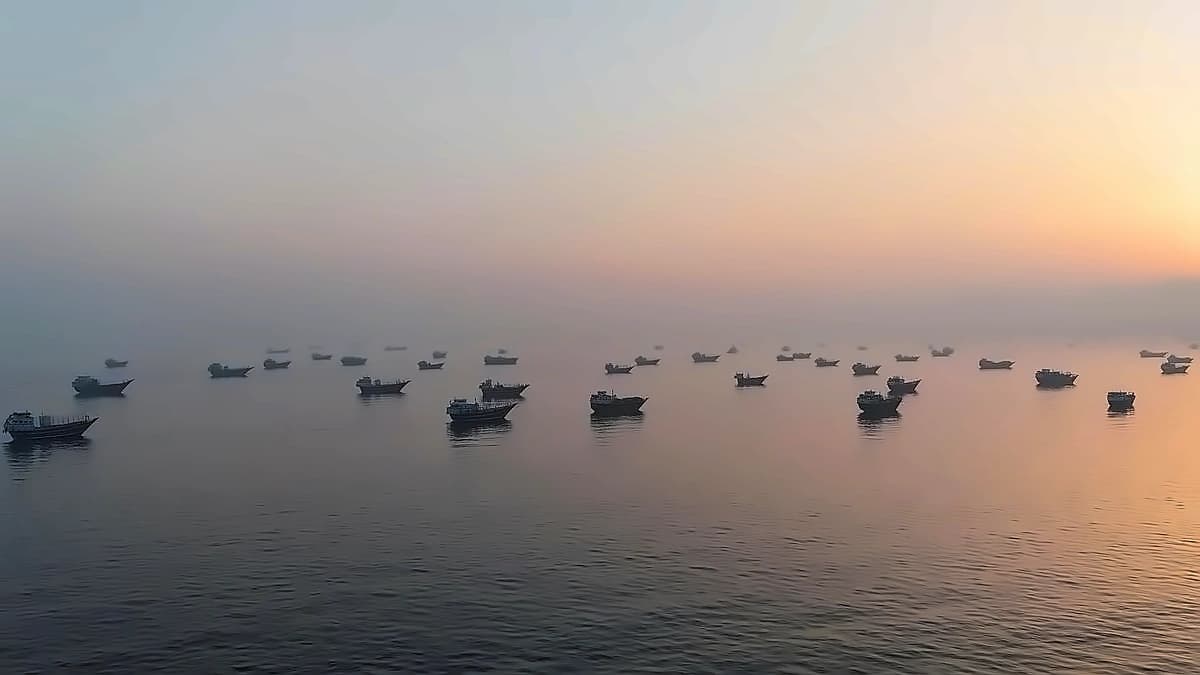
The impact of the ongoing conflict has been severe on oil exports through the strait. As reported by Business Standard, crude exports through the Strait of Hormuz had fallen to about 3.7 million bpd as of last week, down dramatically from approximately 20 million barrels per day before the US and Israel began military strikes on February 28. The remaining oil exports are navigating treacherous conditions, with tankers running dark with location devices turned off or facing attack from Iranian drones. Traffic through the waterway has plunged amid blockades, mines, strikes, drone threats and sharply higher insurance costs. According to BigGo Finance, the Strait of Hormuz is just 21 miles (about 34 kilometers) wide at its narrowest point, with Iran on one side, and in 2024, roughly 20 million barrels per day of petroleum liquids transited the strait, accounting for about 20% of global oil consumption. Bessent's prediction that "more than 50% to 70% of the energy that currently transits the strait will move through underground pipelines" implies the need for 10-14 million bpd of new pipeline capacity.
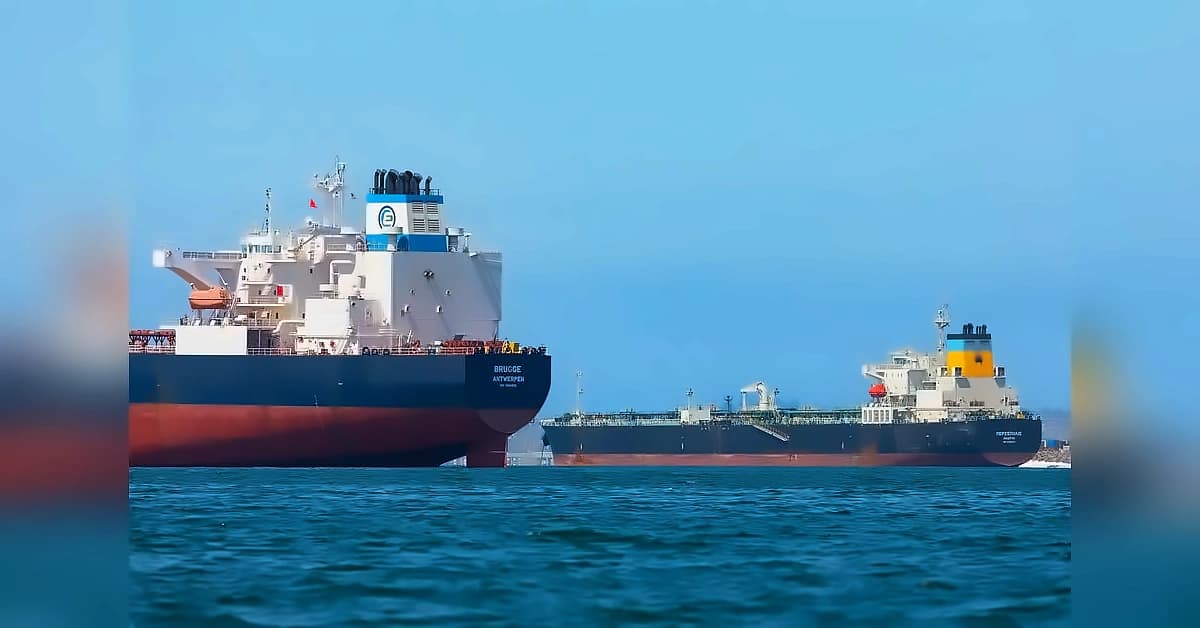
Saudi Arabia's Aramco is accelerating a multi-billion-dollar expansion of its 1,201-kilometer East-West Pipeline, which crosses the Arabian Peninsula to the Red Sea port of Yanbu. According to Business Standard, Aramco's chairman Yasir O Al-Rumayyan called it the kingdom's economic 'lifeline,' successfully rerouting seven million bpd since Iran effectively closed the Strait of Hormuz. The company is working to add another one million to two million bpd capacity, with plans for a smaller parallel pipeline for refined oil products. The UAE is working around the clock to lay a new crude pipeline in Fujairah port city, running parallel to an existing line and doubling the country's bypass capacity to 3.6 million bpd, allowing virtually all of Abu Dhabi's onshore crude to reach international tankers without using the Strait. Saudi Arabia and the UAE currently have roughly 4.7 million barrels per day of unused pipeline capacity that can bypass the Strait of Hormuz, but this pales in comparison to the approximately 20 million barrels per day of petroleum liquids that transit the strait.
In the United Arab Emirates, crews are working around the clock to lay a secondary crude line parallel to an existing one that delivers oil from onshore fields in Abu Dhabi. As reported by BigGo Finance, this project aims to double the UAE's bypass capacity to 3.6 million bpd, allowing virtually all of Abu Dhabi's onshore crude to reach international tankers without transiting the Strait. Kuwait is in discussions with Saudi Arabia and other Arab nations to build a pipeline connecting its oil fields to Red Sea or Oman ports. Additionally, Iraq and Jordan have revived plans for a pipeline that could carry up to one million bpd to the Port of Aqaba. Iraq is also accelerating a plan to repair damaged pipelines to move crude from the Kirkuk fields to Syria's Mediterranean coast, with US oil major Chevron participating in a feasibility study for the Haditha-Baniyas pipeline that extends from Iraq's oil network at Haditha to the Syrian Mediterranean port of Baniyas. The Haditha-Baniyas pipeline would provide Iraqi oil producers with a second export option without needing to ship crude through the Persian Gulf and the Strait of Hormuz.
Gulf nations are simultaneously building physical insurance policies by expanding storage capacity in places like South Korea, Japan and India. According to Business Standard, these storage expansions represent essential hedges against regional volatility, with companies and governments considering them vital investments even if a ceasefire between the US and Iran materializes. The moves could potentially diminish Iran's influence in the region over time, as Gulf exporters recognize that relying too heavily on a single transit route is no longer sustainable in the current geopolitical environment. Diversification could weaken Iran's ability to influence regional energy flows, but the shift will take years and billions of dollars to fully implement. Attention now turns to ADNOC's decision on the proposed eastern-coast LNG facility, the implementation timetable for Aramco's East-West expansion and Kpler's next weekly estimate of Hormuz crude flows.