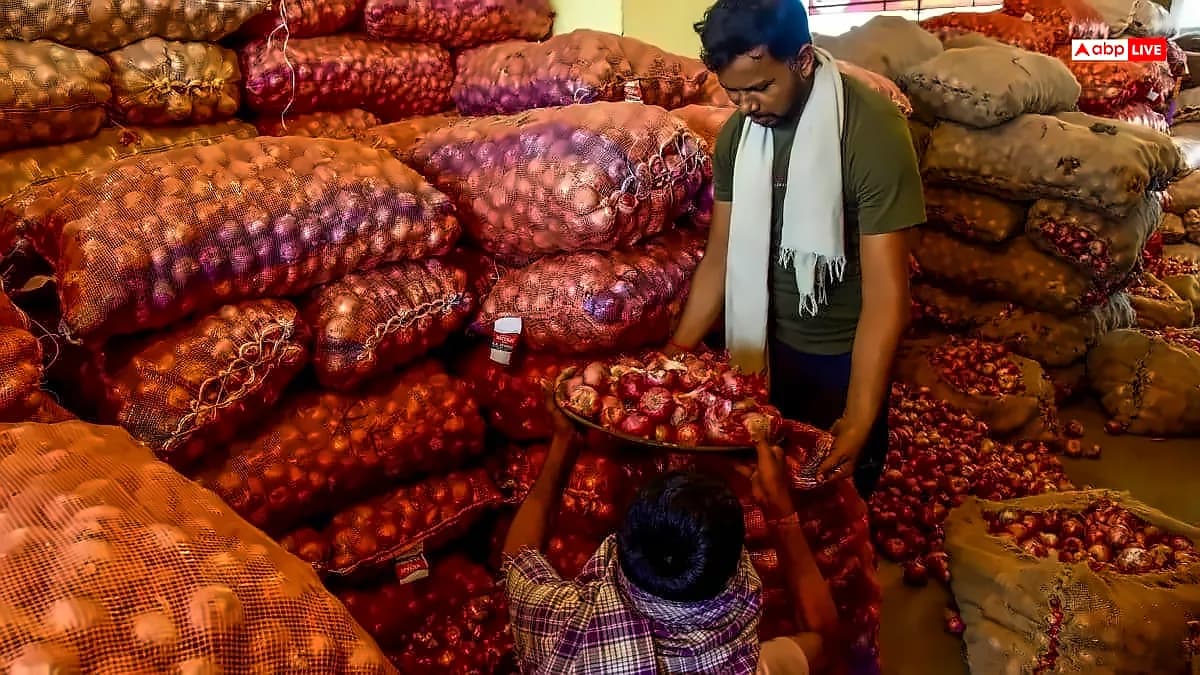
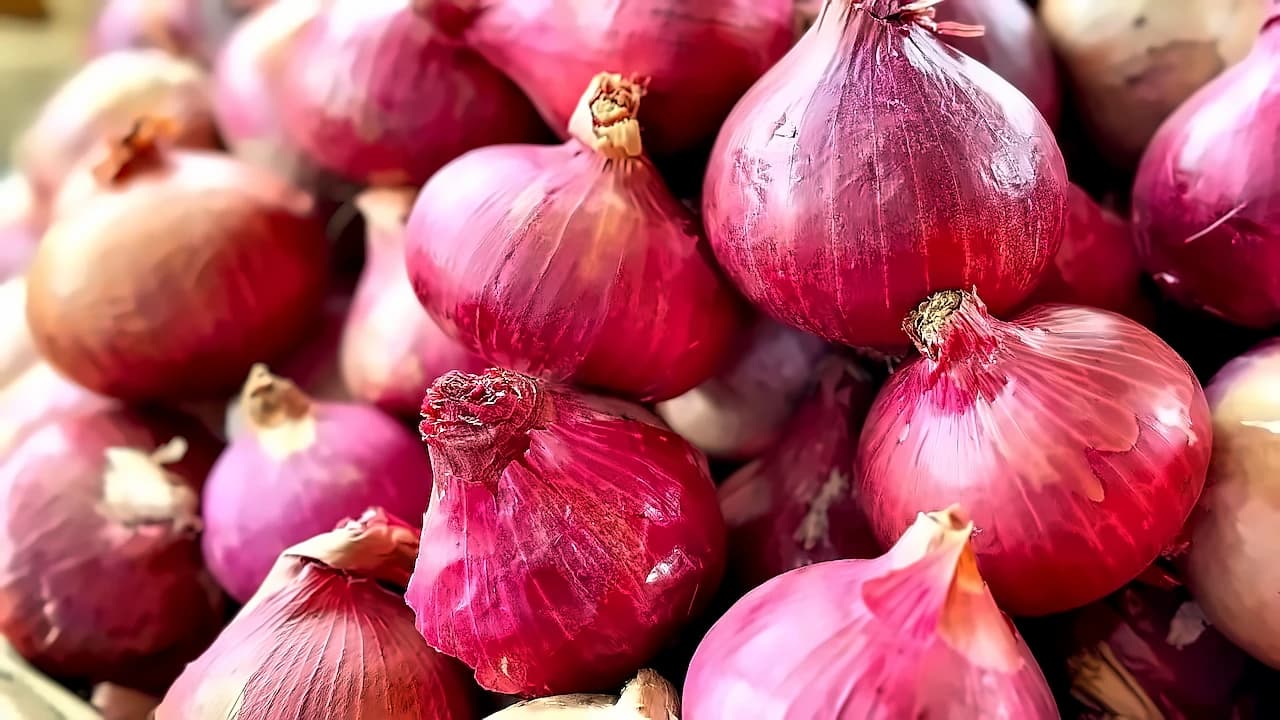
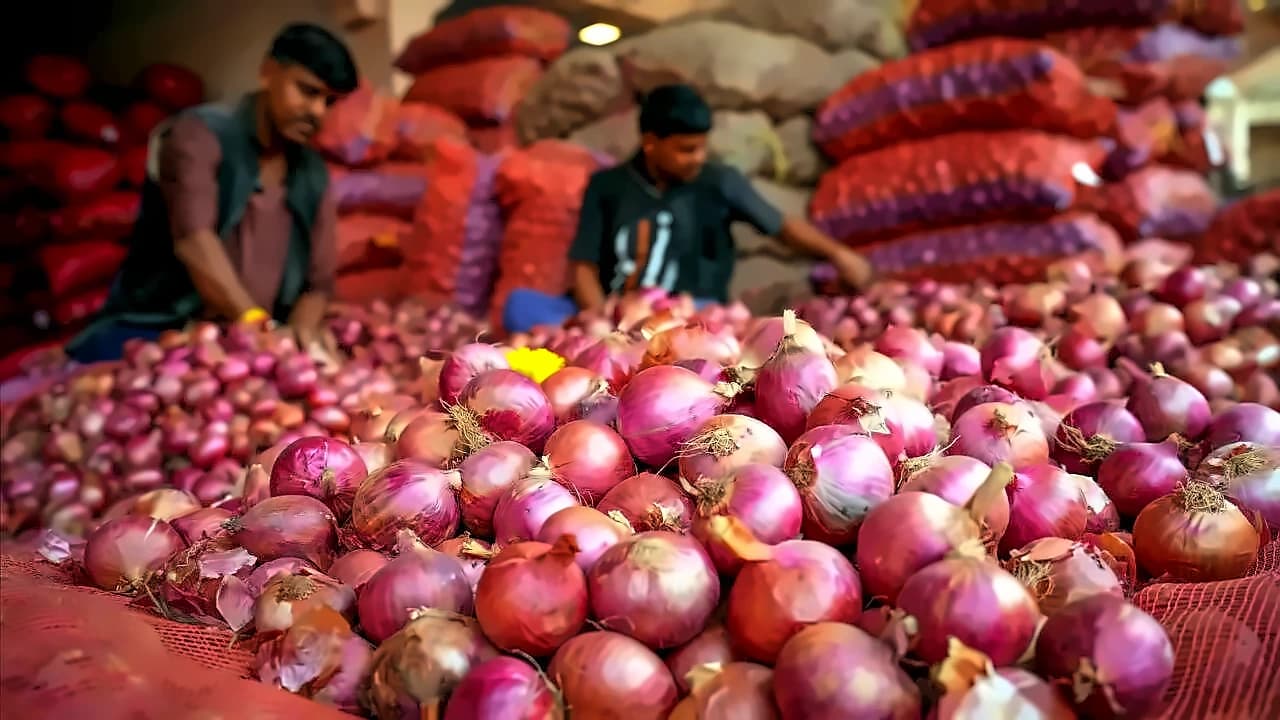
The Tamil Nadu government has launched a subsidized onion sale programme effective September 3, selling onions at ₹35 per kg through 8,739 ration shops in urban areas. According to reports from Zee News, the scheme will cover around 80 lakh family cardholders in the first phase, with each family entitled to one kg of onions per ration card. Food Minister P Venkatraman launched the programme at a ration shop in Alwarpet, Chennai, on Thursday. However, as reported by The Hindu BusinessLine, the first 1,000-tonne consignment can reach only 10 lakh of the 80 lakh eligible cardholders once, creating a significant supply-demand mismatch.
The subsidized rate of ₹35 per kg represents a significant discount to current market prices, where onions are selling at ₹56 to ₹60 per kg in the open market. As reported by Zee News, the high market prices are attributed to higher transport costs, adverse weather conditions, and reduced arrivals from Maharashtra and Madhya Pradesh. The government has procured 1,000 tonnes of onions through NAFED and the National Cooperative Consumers' Federation to support the subsidized sales. According to The Hindu BusinessLine, selling at ₹35 gives a family purchasing one kilogram a saving of roughly ₹21–₹25 compared with prevailing market prices, providing real relief for low-income households.
The subsidized onion sale announcement comes amid rising political pressure over inflation concerns, with onion prices having increased from ₹40 per kg in May to ₹80 currently, while toor dal prices rose from ₹120 to ₹160 during the same period. According to Zee News, opposition parties and TVK's allies raised the inflation issue through a special call attention motion in the assembly, with Udhayanidhi Stalin expressing concern over price rises. The DMK leader slammed the government, stating that "prices of essential commodities like rice, oil and pulses have gone up, severely affecting the public. Ever since this government came to power, prices of essential commodities have risen sharply." Stalin called for a special consultative meeting involving the Chief Minister and Food Minister to find a lasting solution to the price rise issue. The political significance of onion prices is particularly acute, as reported by The Hindu BusinessLine, citing historical examples where rising onion prices became powerful campaign weapons - including the 1980 'onion election' that returned Indira Gandhi to power with a landslide, and the 2010-11 crisis that forced export bans and led to political defeats for ruling parties.
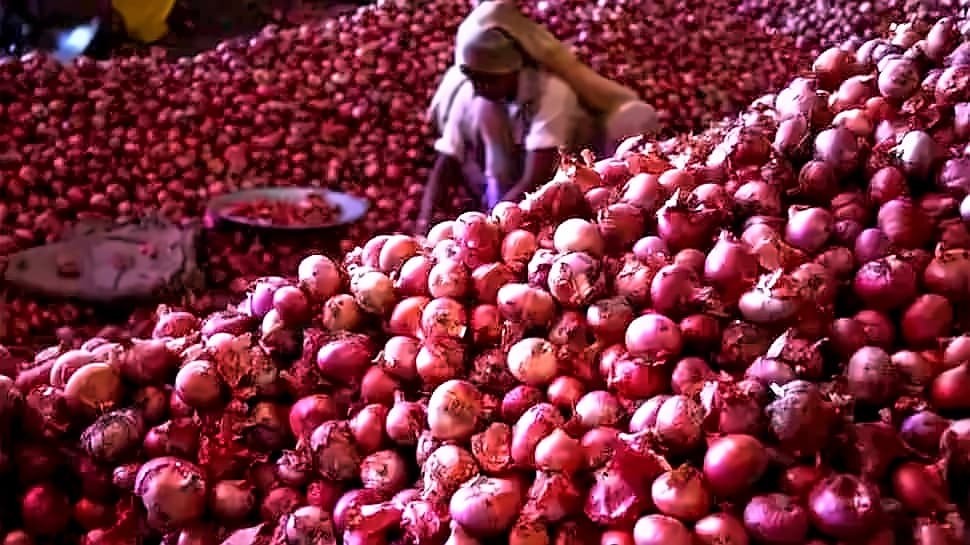
The onion price surge reflects broader inflationary pressures affecting essential commodities across the country. As reported by Zee News, the hike in onion and sugar prices has stirred nationwide concerns, with Stalin noting that prices of essential commodities like rice, oil, and pulses have risen sharply since the current government came to power. The irony is that warning signs were visible months ago, as reported by The Hindu BusinessLine, with onion farmers struggling with collapsing wholesale prices in February-March, while late-kharif onions reportedly sold below estimated production costs in parts of Maharashtra. By August, the cycle had reversed dramatically, with farmers who cried over ₹8-10 per kg watching consumers pay ₹60, highlighting the volatile nature of India's onion market. The Left parties also protested over the price rise issue on Thursday, with Communist party members holding demonstrations over essential commodity price increases.