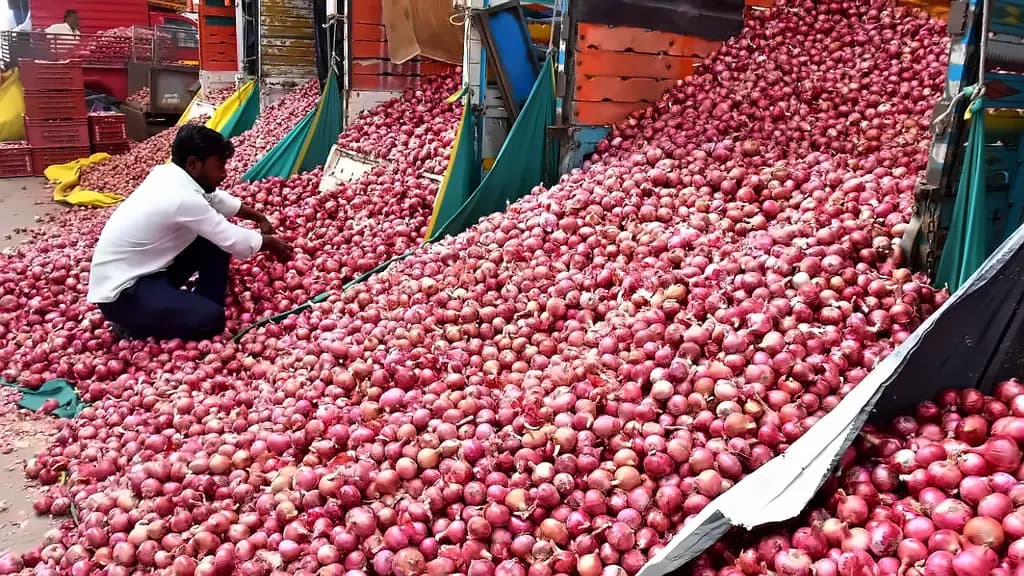
The government has raised the procurement price of onions for buffer stock purposes by 13.3 per cent, from ₹1,875 per quintal to ₹2,125 per quintal, in a bid to boost procurement and ensure better returns for farmers. According to the Consumer Affairs, Food and Public Distribution Ministry, the revised rate came into effect on July 4, 2026, with the procurement of onions through the National Agricultural Cooperative Marketing Federation of India Limited (NAFED) and the National Cooperative Consumers' Federation of India Limited (NCCF) for the government's price stabilisation buffer currently in progress. This marks the fifth upward revision in the procurement price this season, as the government's onion buying for the 2026 buffer stock under the Price Stabilisation Fund has got off to a slow start.
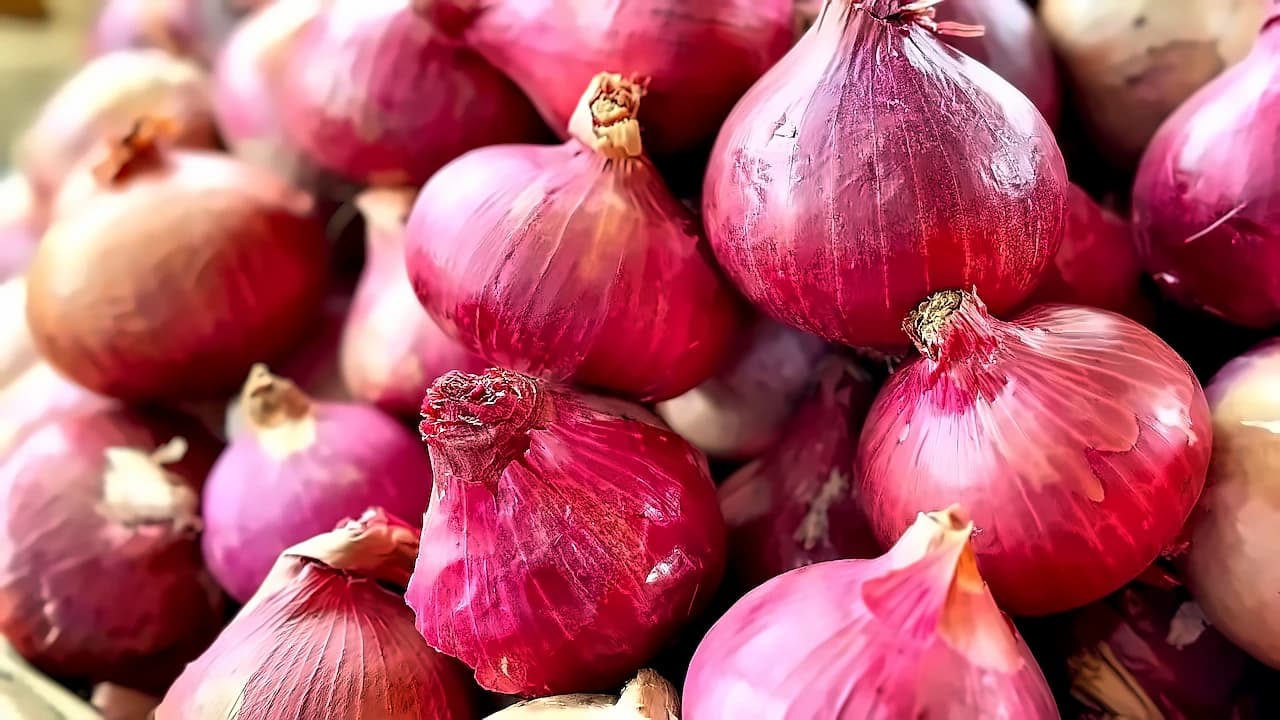
According to the Second Advance Estimates of the Department of Agriculture & Farmers' Welfare for 2025-26, onion production is pegged at 307.37 lakh metric tonnes (LMT), which is comparable to the production of 307.67 LMT in 2024-25. The consumer affairs ministry stated that overall availability is not a concern at this stage, though prices may inch up in line with normal seasonal trends. Stock levels in Maharashtra, Madhya Pradesh and Gujarat remain adequate, with no indication of shortages in stored onions. Higher-quality onion stocks remain in storage and are expected to be released during the lean season, helping moderate prices.
Despite repeated price hikes, procurement has remained minimal with only around 2,000 tonne procured since June 1. The procurement price has climbed in quick succession since the season opened - from ₹12.70/kg to ₹15.80/kg on May 22, then to ₹16.50/kg on June 13, ₹17.30/kg on June 20, and subsequently to ₹18.75/kg, before the latest increase to ₹21.25/kg (₹2,125/quintal). The Centre attributed the recent firmness in market sentiment to the delayed onset of the southwest monsoon and deficient rainfall in some regions, which has triggered speculative buying by traders. Even as procurement gathers pace, the government noted that delayed monsoon rains and below-normal rainfall in some regions have encouraged speculative buying by a section of traders.
Daily mandi arrivals at the all-India level stayed robust at over 50,000 metric tonnes (MT), with Maharashtra alone accounting for more than 30,000 MT at an average modal price of about ₹18/kg. The all-India average retail price stands at ₹31/kg. The Centre stated that demand remains subdued at prevailing prices in major consumption centres, with production hubs such as Nashik in Maharashtra and parts of Madhya Pradesh witnessing speculative trading based on expectations of future price recovery rather than strong underlying demand. Such speculative activity has been particularly visible in production centres such as Nashik and parts of Madhya Pradesh, where trading has been driven more by expectations of a price recovery than by market demand.
Onion exports remained normal in June, with about 1.50 LMT shipped out during the month. However, exports could slow temporarily as fresh onion supplies from Pakistan and China are available at more competitive prices in key markets such as the Gulf, Sri Lanka and the Far East. Meanwhile, Kharif sowing has been delayed by about 15 days in Maharashtra's Nashik region, while progress in Karnataka's Chitradurga and Challakere belt is running at around 60 per cent of normal. Traders expect export demand to soften in the coming weeks as fresh onion supplies from Pakistan and China are being offered at lower prices in these markets.