Onion prices have experienced a dramatic surge in the domestic market over the past year, with the average retail price rising to ₹54.38 per kg as of September 25, representing a 101.4% increase from ₹27 per kg at the same point last year. This translates into an 82.3% increase since the beginning of June. Wholesale prices have followed a similar trend, with the average wholesale rate rising from ₹22.60 per kg on June 1 to ₹46.20 per kg on September 10, representing nearly a 100% increase during the same period. The rise was even sharper in wholesale markets, with prices reaching ₹46.20 per kg on September 10 before settling at ₹45.68 by September 17. Regional variations show ₹61.82 per kg in the north-east, ₹56.76 per kg in the south, ₹53.83 per kg in the east, ₹52.52 per kg in the north, and ₹49.10 per kg in the west.
In a first-of-its-kind intervention, the Centre has expanded its price-stabilization efforts beyond major urban hubs to supply subsidized onions from its buffer stock directly to smaller towns and district markets. Around 15,600 tonnes of buffer stock onions under the price stabilisation fund (PSF) have been dispatched through railway rakes and trucks, with road transport accounting for the bulk of movement. As of September 22, 13,027 tonnes (83.5%) had been dispatched to states. The initiative aims to prevent urban price spikes from spilling over into semi-urban and rural areas, as growing social media penetration and widespread access to real-time information have blurred the gap between urban and rural markets. The government found similar price rises across smaller towns and cities and decided to expand supplies to ensure consumers in these areas also benefit from price-stabilization efforts.
Major cities have seen significant price increases across the country. In Delhi, the average retail price was ₹55 per kg, up 83.3% from ₹30 a year ago. In Mumbai, it rose to ₹63 per kg from ₹27, a 133.3% increase. In Kolkata, it increased to ₹60 per kg from ₹29, up 106.9%. In Chennai, it rose to ₹60 per kg from ₹30, a 100% increase. In Ranchi, it climbed to ₹58 per kg from ₹25, up 132%. The widespread nature of the price increases has prompted the government to expand distribution beyond traditional urban centers to reach smaller towns across multiple states.
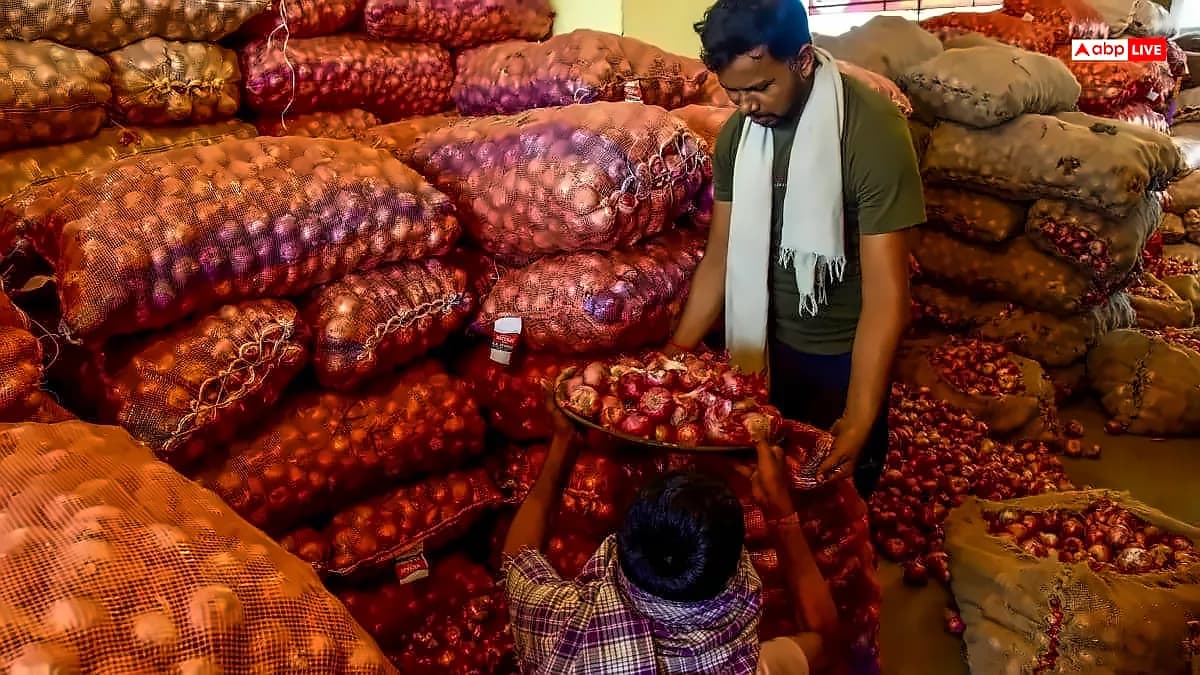
Onion's impact extends beyond direct food costs, as it has a 0.7% weight in the all-India consumer price index (CPI) under the latest CPI series with 2024 as the base year. While its direct weight is relatively small, onion can have a disproportionate impact on food and headline inflation because of sharp swings in prices caused by supply disruptions and seasonal factors. The Reserve Bank of India (RBI) has identified onions, tomato and potato as key vegetables that can significantly influence food and headline inflation despite their relatively modest weight in the CPI. CPI-based retail inflation accelerated to 4.82% in August from 4.45% in July, remaining above the RBI's medium-term target of 4%. Rakesh Arrawatia from IRMA noted that expanding supplies beyond large cities can help moderate local price spikes by improving availability and increasing the credibility of government intervention.