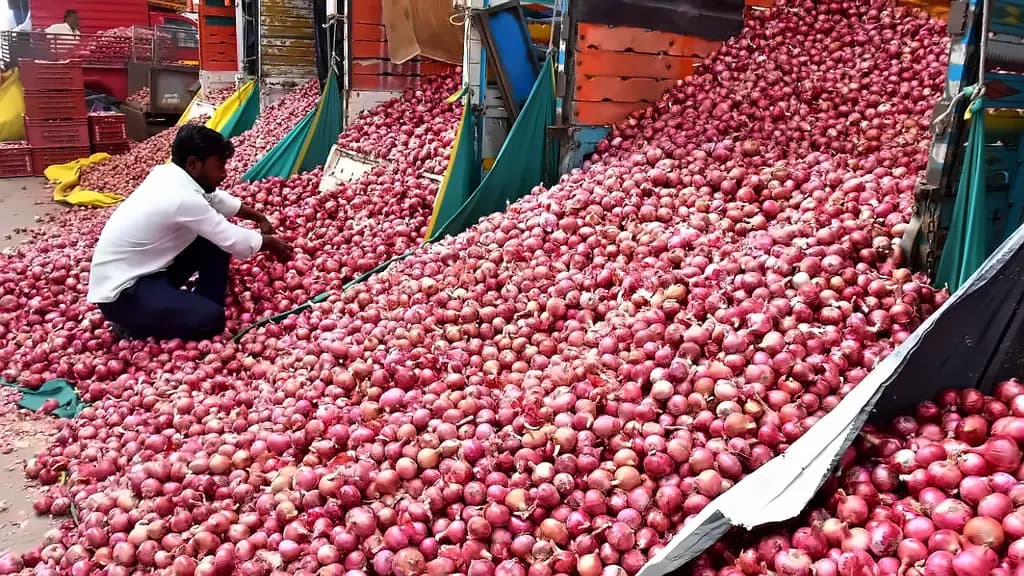
Despite the Centre's subsidised onion sale initiative, national average retail prices have risen to ₹50.79 per kg from ₹48.5 per kg when the intervention began on August 28. According to reports from The Times of India, the government is releasing onions from its 1.21 lakh tonnes buffer stock for 2026 through NCCF and Nafed agencies. The subsidised onions are being sold at ₹35 per kg in selected price-sensitive cities, but the overall price trend continues upward. In several cities including Delhi, Chennai, Bhopal and Lucknow, onion prices have crossed ₹60 per kg to control the situation. Consumer Affairs Secretary Nidhi Khare noted that the distribution of buffer onions has brought some relief to consumers, with prices falling slightly. The Centre's subsidised onion sales aim to ease price pressure as the new kharif crop is expected to boost supplies from mid-October.
As reported by The Times of India, onion prices varied significantly across major cities on September 5. Delhi retail prices stood at ₹58 per kg, while Mumbai prices were ₹53 per kg. Chennai recorded the highest at ₹63 per kg, and Ranchi showed the lowest at ₹40 per kg. The average wholesale price was ₹42.79 per kg. According to latest data from the Department of Consumer Affairs, the average all-India retail price of onions stood at ₹50.79 per kg.
According to department of consumer affairs data reported by The Times of India, approximately 4,000 tonnes of buffer onions have been sold across 17 cities in the first 10 days of the intervention. NCCF Managing Director Anice Joseph Chandra confirmed that NCCF alone has sold 1,500 tonnes of buffer onions in different cities across the country. The federation's retail intervention is underway in Delhi-NCR, Tamil Nadu, Uttar Pradesh, Kerala, Rajasthan, Punjab, Odisha and several other states. Several state governments have shown interest in the scheme, with NCCF tying up with states to sell through stores, mobile vans, cooperative societies and other platforms identified by local administrations. The subsidised sales have resulted in a ₹2-3 per kg decline in prices in some markets, as confirmed by NCCF officials.
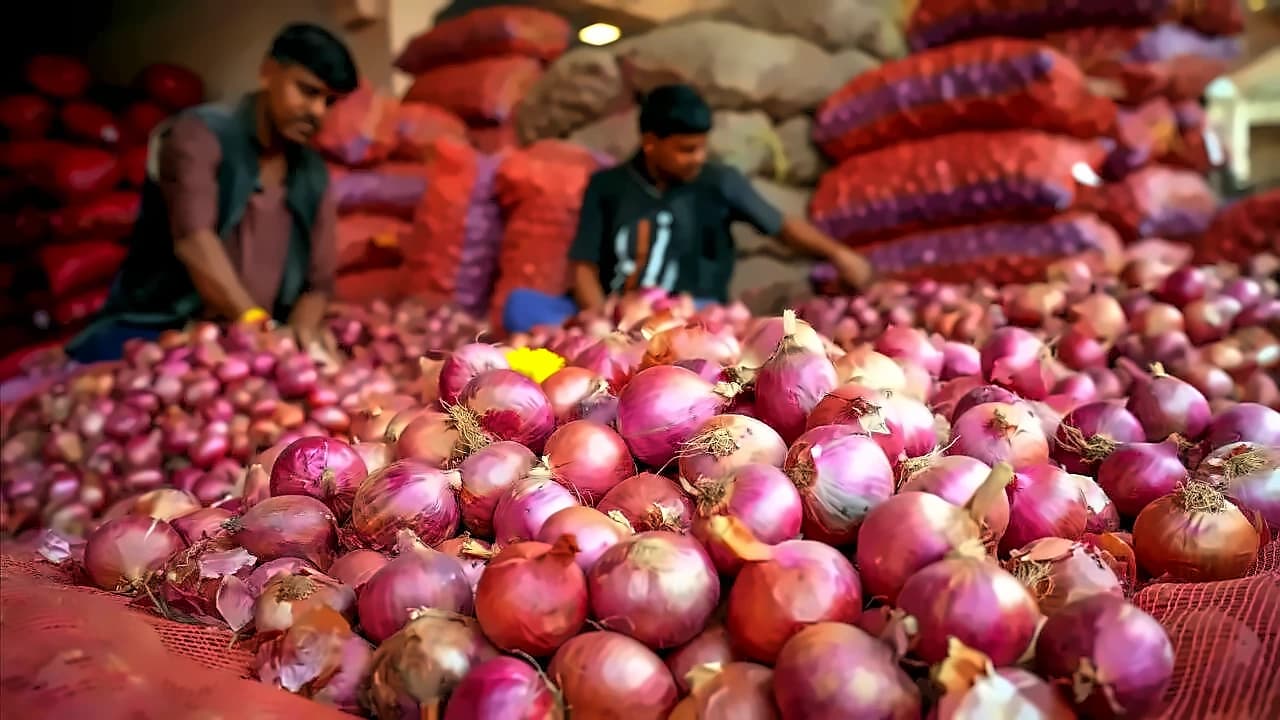
As reported by The Times of India, the government is moving onions from producing states to consuming centres through trucks and a dedicated railway rake named 'Kanda Express'. The Central Warehousing Corporation (CWC) is handling sorting, grading and packing of the buffer stock, besides its movement to states. A third rake is being loaded for dispatch to Guwahati in the coming days. Bulk consignments have already reached Delhi and Chennai via the Kanda Express. The nodal Central Warehousing Corporation is handling the sorting, grading, packing and movement of buffer onions to these states. On 28 August, Kanda Express delivered 453.65 tonnes of onions to Delhi, followed by 840 tonnes to Chennai on 31 August. NAFED and NCCF are also transporting around 1,000 tonnes of onions to several cities by road.
According to the Union agriculture ministry, India produced 307.67 lakh metric tonnes of onions in 2024-25, while this year's production is estimated at 307.37 LMT. At the same time, total domestic onion consumption is around 200 LMT a year, meaning production is higher than consumption on paper. However, onion expert Satish Bhonde from NHRDF notes that rabi onions normally reach the market by Diwali, followed by the arrival of kharif onions. The central government had set a target of building a 2 LMT rabi onion buffer stock under the Price Stabilisation Fund this year, but government agencies managed to procure only 1.21 LMT of onions, which is 40% less than the target. Around 30% of the government's buffer stock has either rotted or been damaged, compared with the normal spoilage rate of around 20%, though the government has denied these reports. Officials expect the arrival of the new kharif onion crop from mid-October to improve supplies and ease price pressures further.