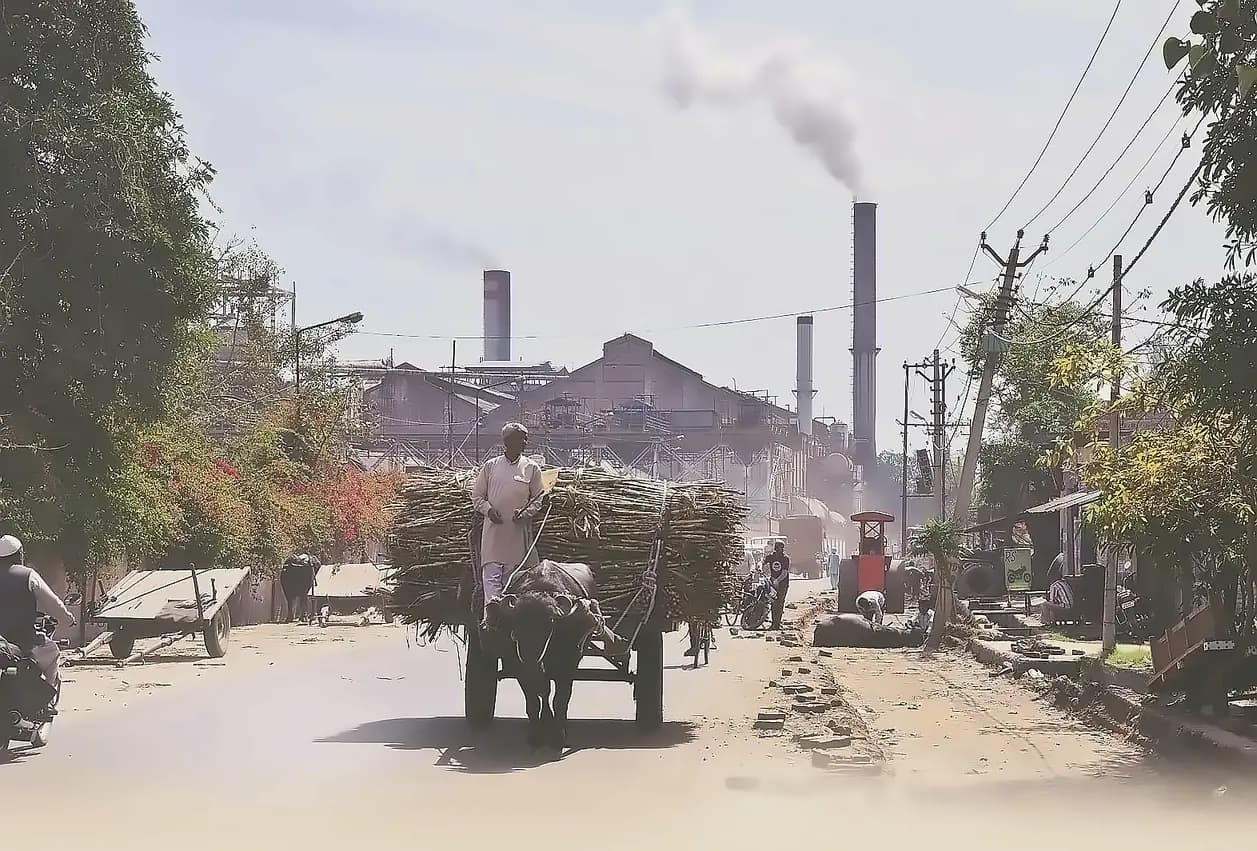
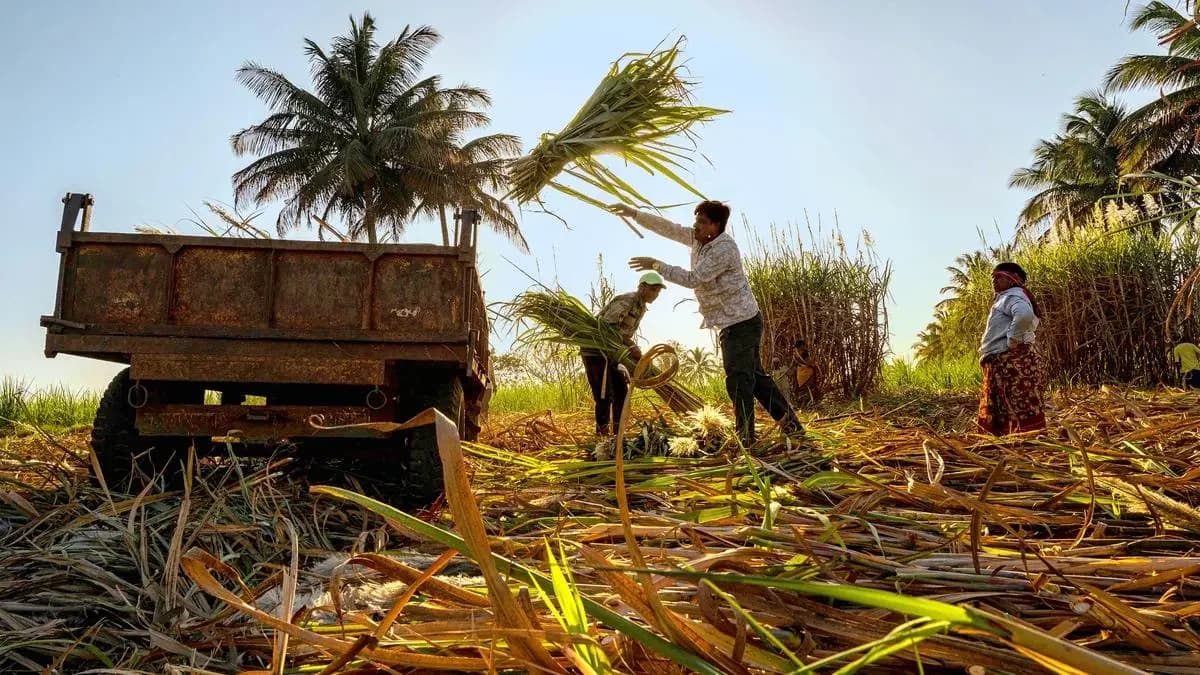
India's sugar production has reached 1.28 million tonnes in the 2026-27 season, with 184 mills starting crushing operations as of November 5, compared to 154 mills during the corresponding period last year, according to the Indian Sugar & Bio-Energy Manufacturers Association (Isma). Production stood at 320,000 tonnes on November 5, 2025, representing a significant increase driven by the early start of crushing operations, particularly in Maharashtra, and gradual resumption of operations in other major sugar-producing states. Isma expects the number of operational mills and the pace of sugar production to increase further in the coming days as more factories begin crushing, particularly in Uttar Pradesh and Karnataka.
Maharashtra has recorded the highest number of operational sugar mills with 136 factories starting crushing operations and producing 1.078 million tonnes of sugar as of November 5, compared to 101 mills producing 123,000 tonnes during the corresponding period last year, according to Isma. The state's crushing season began with 152 sugar mills commencing operations, compared to just 31 mills in the year-ago period. Early crushing, particularly in Maharashtra, contributed to the higher output and improved festival season supply, with the state normally beginning crushing on November 15 but starting almost a month early this year. In Uttar Pradesh, 19 mills in the western and central regions have started crushing operations, producing 20,000 tonnes of sugar, with most remaining factories expected to begin operations over the next few days.
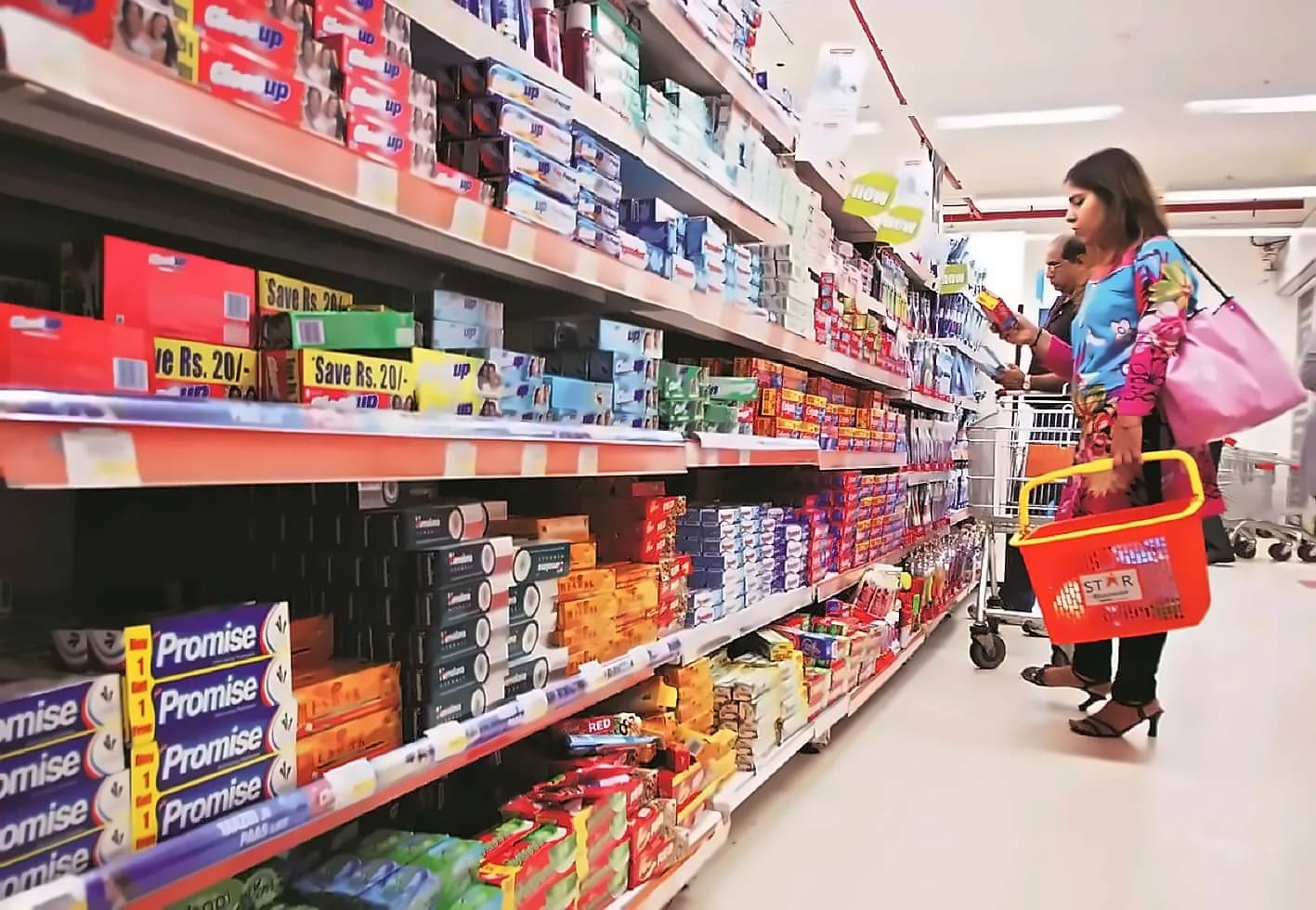
Sugar prices have surged over 30% in September compared to a year earlier, with sweet shops across India absorbing higher costs or passing them on to customers during the festive season. According to The Hindu BusinessLine, nationwide sweet-inflation is running at more than 9%, creating significant challenges for India's sweet-loving population during Diwali celebrations. Varjesh Aggarwall, managing partner at Bengali Sweet House, said the rising cost of ingredients has forced him to push prices up, though he's kept the hike below 10%. Vijay Shankar Agarwal at House of Kaleva has absorbed all losses, with prices rising only about 3%. Poosa Ramesh, a 25-year-old business analyst, reported prices increased 20-30 rupees per box in the last one week at Nathu's in Bengali Market. Tarun Johri, a 59-year-old lawyer, noted prices had risen while quantities in some packages had shrunk.
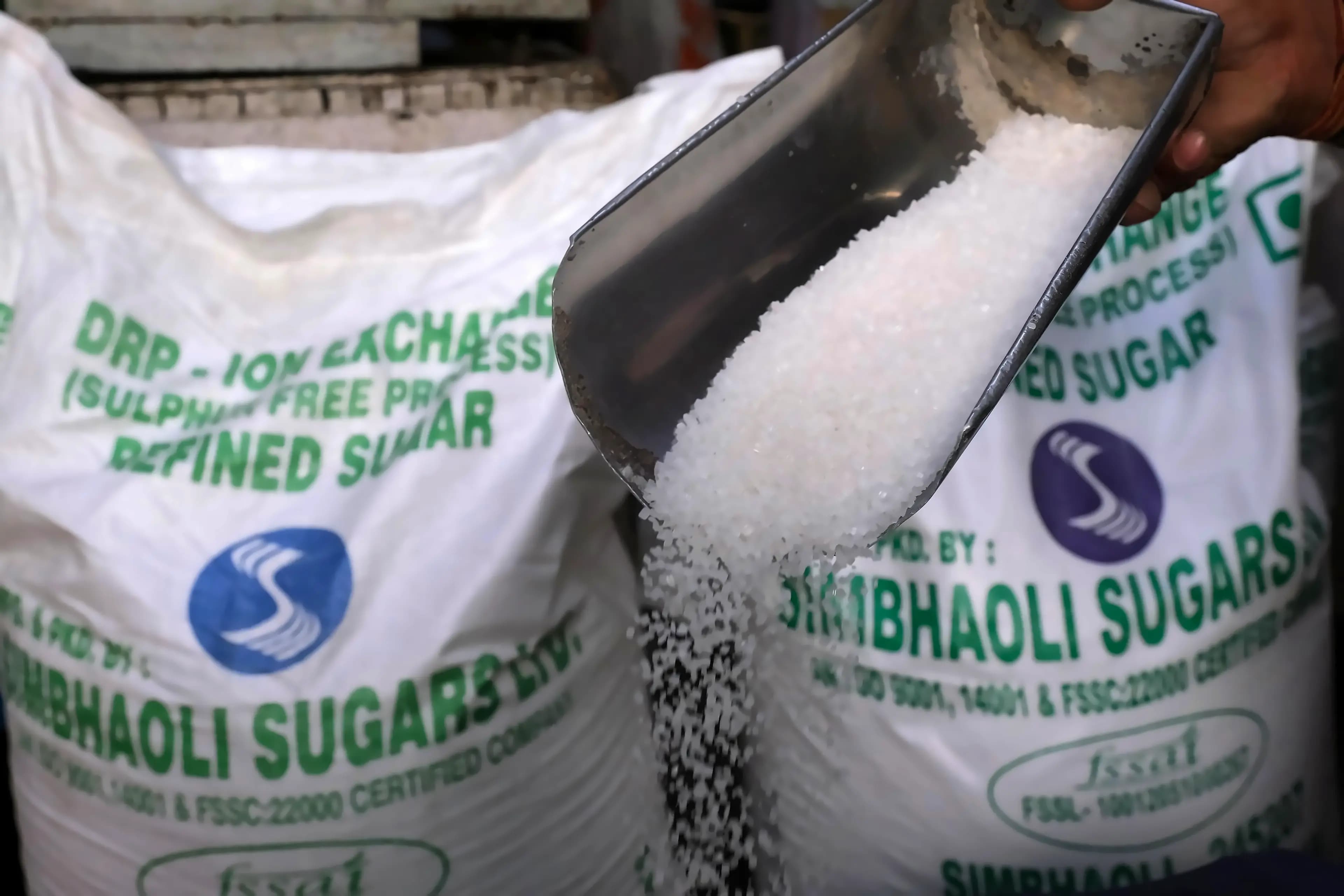
India had approximately 3.6 million tonnes of carryover stocks from the previous season, providing comfortable opening stocks for the current season, according to Isma director general Deepak Ballani. With fresh production gathering pace, the country is in a comfortable position to meet domestic sugar requirements during the festive season. Sugar prices have risen by over ₹4 per kg in a month, with retail prices averaging ₹59.50 per kg despite government measures to improve supplies. Kolkata recorded the highest retail price among metros at ₹65 per kg on November 3, against ₹50 a year earlier, while Delhi followed at ₹64 per kg (₹46 a year ago) and Mumbai logged ₹61 per kg (₹45). Prices remain elevated mainly because 2025-26 production fell short of earlier estimates, with festive demand, crop damage, tighter global supplies and hoarding adding to the pressure.
The government has responded to the price surge with stock limits, imports, closer monitoring and an earlier start to crushing to ease tight supplies during the festival season. According to The Hindu BusinessLine, the government in August allowed mills and refiners to import raw sugar duty-free, after domestic prices hit records. Authorities also imposed limits on how much sugar dealers and bulk buyers can hold, urged mills to restrain prices during the festival season, and barred sugar from being diverted to ethanol production. As per Covrig Analytics lead analyst Claudiu Covrig, "Funds might be thinking about end-of-year profit taking. Not many bullish arguments these days." Economists surveyed by Bloomberg News expect headline inflation of 6.1% in the last quarter of this year, up from September's 5.5%, with Aditi Nayar, chief economist at ICRA Ltd., expecting "broad-based" food inflation of above 8%. However, Indian imports are unlikely until April and May next year and local Brazil prices continue signaling tepid demand.