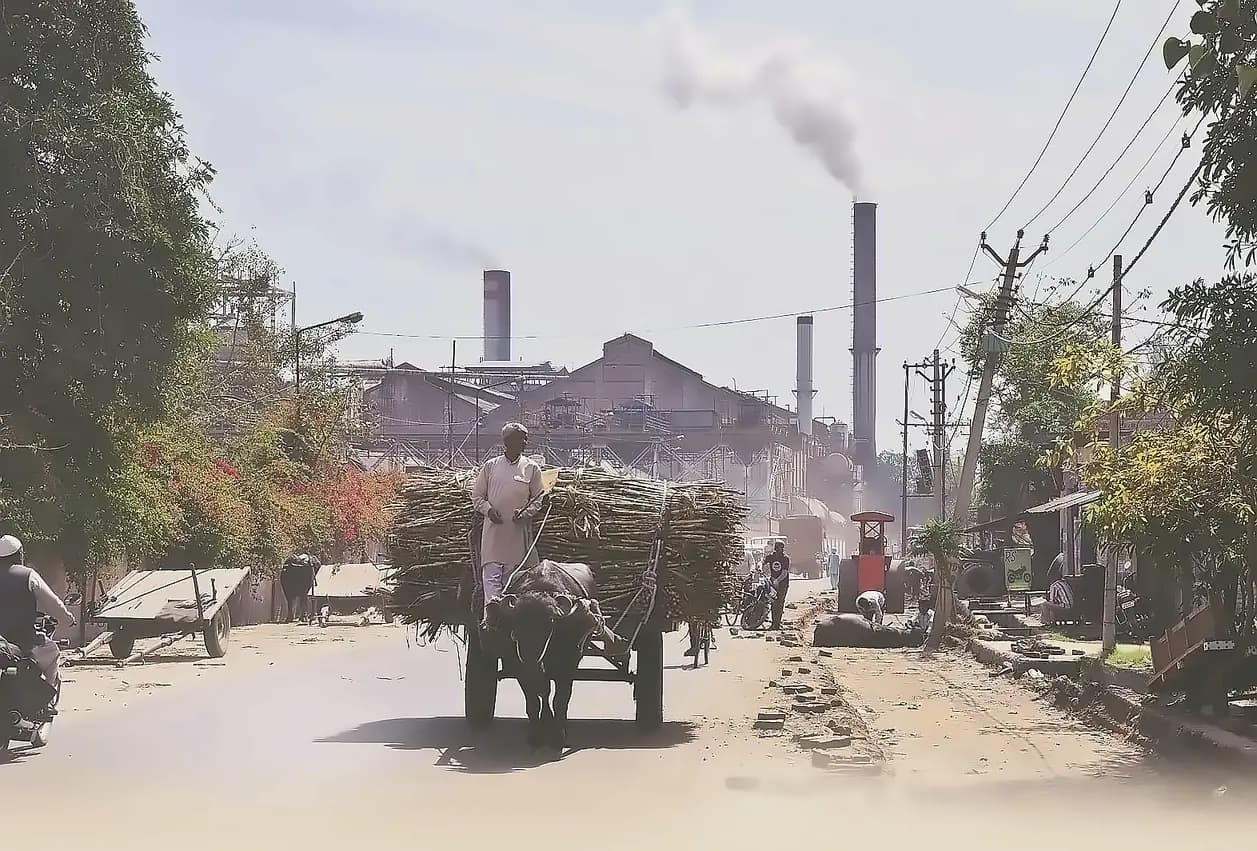
India's sugar production more than doubled to 23.59 lakh tonnes in the ongoing 2026-27 season through November 15, as reported by the Indian Sugar & Bio-Energy Manufacturers Association (ISMA). This represents a significant increase from 11.49 lakh tonnes produced in the same period last year. The sugar season runs from October to September, with crushing typically starting in October-November. According to ISMA Director General Deepak Ballani, the sugar season is progressing steadily with 313 mills having commenced operations as of November 15, compared to 311 mills during the corresponding period last year.
Maharashtra, the country's biggest sugar producer, emerged as the primary driver of the production surge with output jumping more than threefold to 18.51 lakh tonnes from 5.25 lakh tonnes a year earlier, according to ISMA. Mills in the western state began crushing from October 8, earlier than in other states, with 154 mills operating as of November 15, compared to 132 mills a year ago. This early commencement of crushing operations in Maharashtra was the primary factor behind the overall production increase, with ISMA noting that crushing in Uttar Pradesh and Karnataka is gathering momentum with more mills expected to start operations shortly.
Uttar Pradesh, the second-biggest producer, experienced a decline in output to 2.10 lakh tonnes from 4.25 lakh tonnes last year, with 80 mills operational compared with 88 mills a year earlier, as reported by ISMA. In Karnataka, the third-largest producer, output remained relatively stable at 1.40 lakh tonnes against 1.46 lakh tonnes a year ago, with 56 mills operating compared to 68 previously. Gujarat has shown encouraging progress with 13 mills commencing operations and producing 0.62 lakh tonnes compared to 12 mills and 0.13 lakh tonnes last year. Uttarakhand reported two operational mills with production of 0.10 lakh tonnes against four mills and 0.12 lakh tonnes during the corresponding period last year.
The Government has opened a one-time window for fresh applications from sugar millers and refiners for allocation of 2.15 lakh tonnes of raw sugar imports under the tariff rate quota (TRQ) scheme, amid concerns over lower domestic production and rising prices. According to the Directorate General of Foreign Trade (DGFT), an aggregate quantity of 2,15,043.859 tonnes is available for fresh allocation, including 1,87,550 tonnes that remained unallocated from the total quota of 10 lakh tonnes announced in August and another 27,493.859 tonnes surrendered by previous allottees. The application window will remain open until November 27, 2026, with eligible sugar millers and refiners required to apply online through the DGFT website. The government had previously allowed duty-free imports of up to 10 lakh tonnes of raw sugar under the TRQ scheme until December 31, 2026, with the deadline subsequently extended by two months.
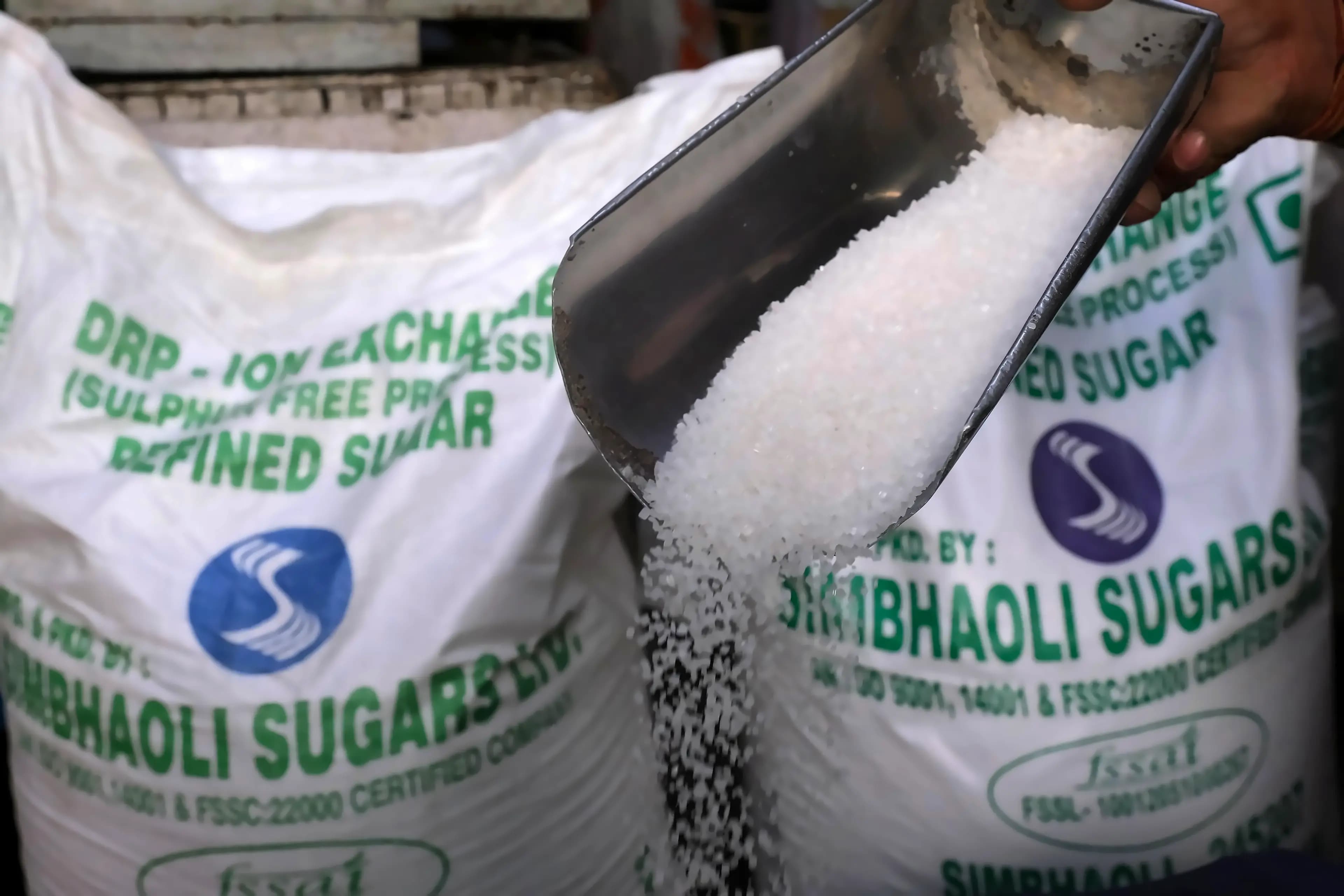
Domestic sugar prices had touched record highs amid concerns over supplies, with demand typically rising between August and November, coinciding with major festivals including Ganesh Chaturthi, Dussehra and Diwali. Meanwhile, domestic sugar production estimates for the 2025-26 marketing year (October-September) have been lowered to 306 lakh tonnes from the earlier projection of 343 lakh tonnes. According to ISMA Director General Deepak Ballani, the sugar season is progressing steadily with domestic sugar availability remaining comfortable. The industry is well positioned to meet domestic consumption requirements while ensuring adequate supplies in the market. With fresh production gathering momentum across the country, the industry is confident about meeting domestic demand while maintaining adequate market supplies. India's net sugar production for the season, after diversion to ethanol, is estimated at 29.3 million tonnes for the 2025-26 season, as reported by ISMA's third estimate.