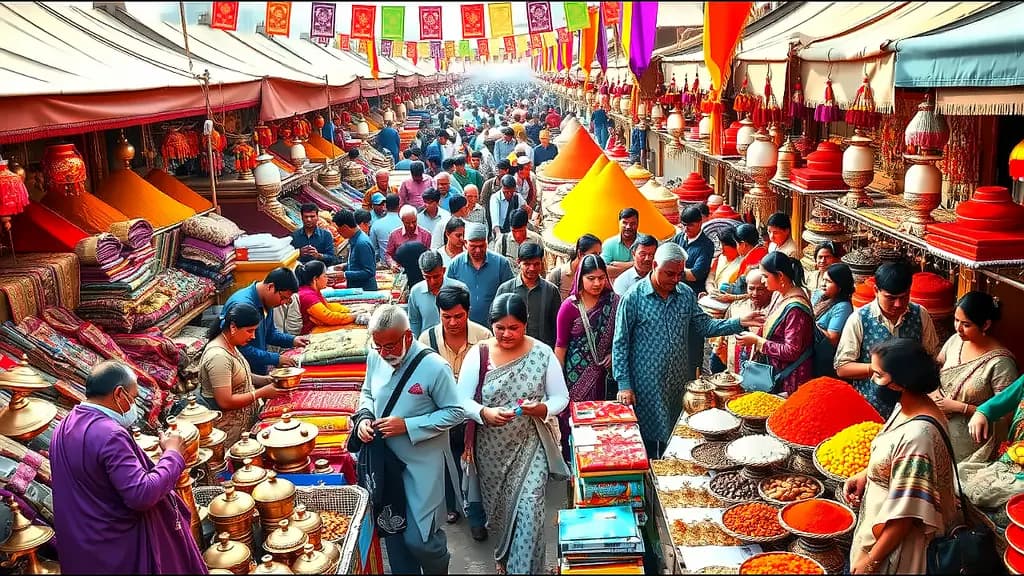
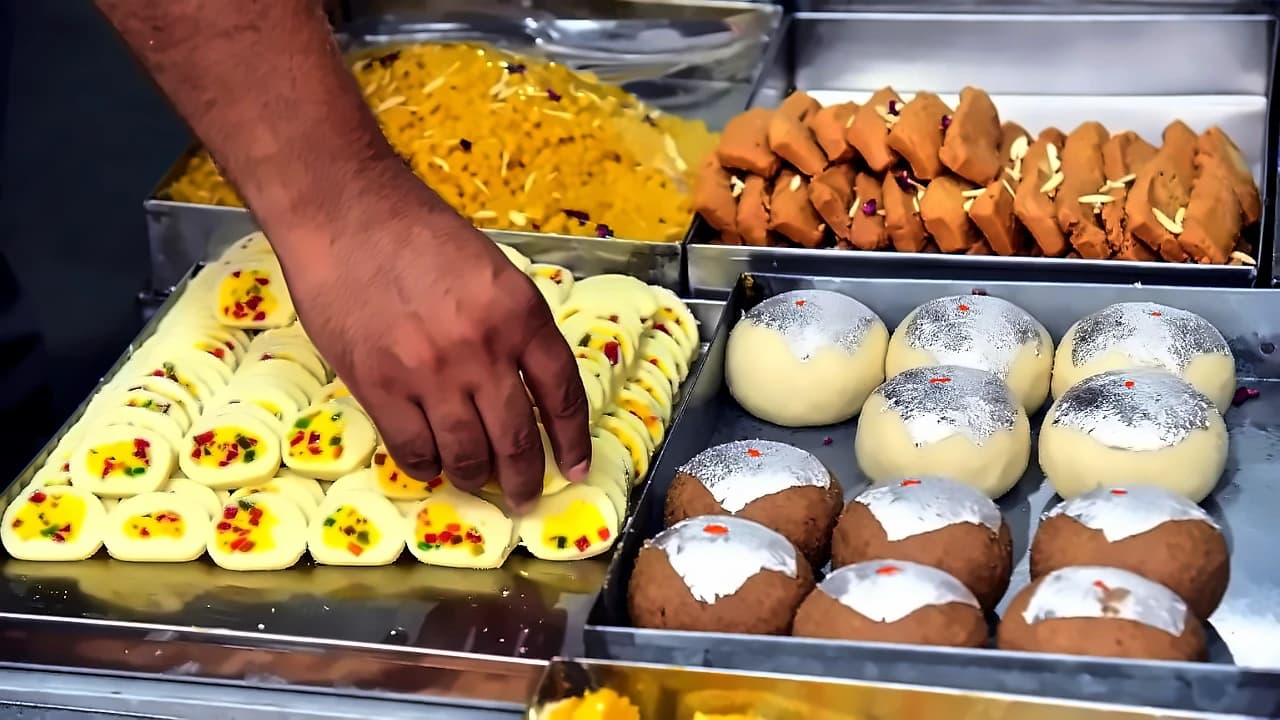
FMCG companies are maintaining current pricing through the festive season despite facing significant cost pressures, with recent government interventions helping stabilize key commodity prices. Leading industry executives said companies have already implemented judicious price increases of around 2-5 per cent in the June quarter to partly offset higher input costs and are unlikely to raise prices further before the end of the festive season. As reported by Business Standard, ITC Chief Executive Officer, Foods Division, and Executive Director Hemant Malik confirmed the company would maintain prices through the festive season despite cost inflation, noting that companies have been absorbing a large part of the increase in commodity prices through cost management initiatives and portfolio actions. Parle Products Chief Marketing Officer Mayank Shah expects most firms to hold prices at least until Diwali, citing strong urban and rural demand and recent easing in sugar prices after government measures. "Most companies would probably be holding the price right now. They will not increase prices because of the festive season. Nobody would like to disrupt demand," Shah said.
Sugar prices have experienced a significant 10% decline nationwide, with latest wholesale prices ranging from ₹44 to ₹56 per kg across major cities. According to the latest market data, New Delhi records the lowest wholesale price at ₹53.50 per kg while Kolkata commands the highest at ₹56.50 per kg. The price stabilization follows recent government interventions and import measures, with the government permitting 10 lakh tonnes of sugar imports under the tariff rate quota. Parle Products Chief Marketing Officer Mayank Shah indicated that most companies would probably hold prices right now, citing strong demand across urban and rural markets and recent easing in sugar prices due to government measures. The government has also made it mandatory for bulk consumers to declare their sugar stocks every Friday on the food department's online portal to track sugar holdings among large industrial users while monitoring supply and prices in the market.
India is projected to create 2-2.5 lakh seasonal and gig jobs during the July-December 2026 period, with festive hiring expected to grow 15-20 per cent, according to a report by global technology and digital talent solutions provider NLB Services. As the country enters the festive season, businesses across e-commerce, quick commerce, retail, logistics, hospitality, travel and consumer services are preparing for one of the year's most concentrated periods of demand. Tier II and III cities will contribute around 45 per cent of total festive hiring demand, with hiring in these markets projected to grow 25-30 per cent. The expansion is being driven by the growth of e-commerce, quick commerce, organized retail and regional fulfilment networks across cities including Jaipur, Lucknow, Indore, Surat, Nagpur, Bhubaneswar, Coimbatore, Chandigarh, and Kochi.
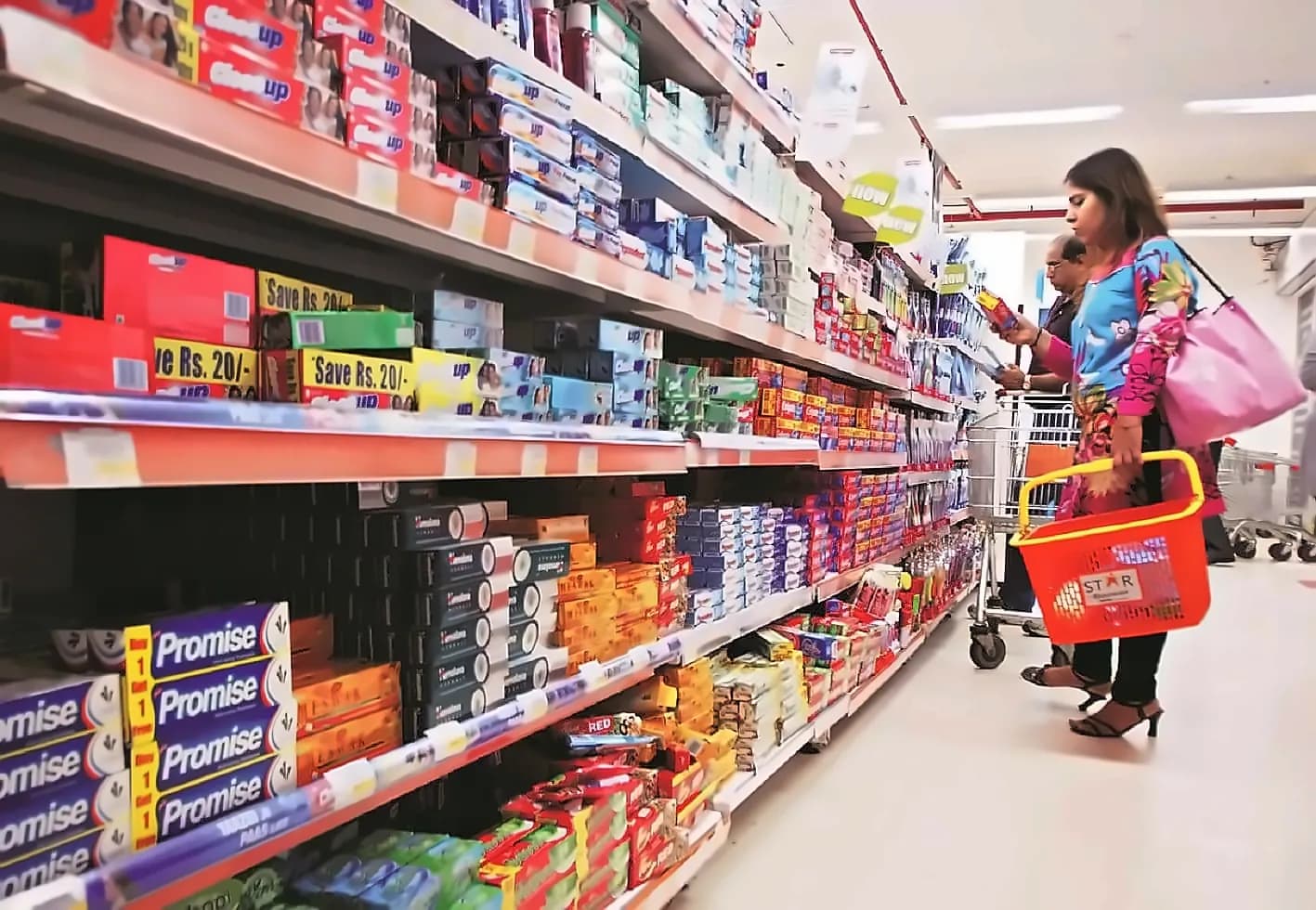
Government measures have played a crucial role in stabilizing food prices, with onion wholesale prices reversing by ₹4-5 per kg following policy interventions. As reported by The Economic Times, Congress leader Jairam Ramesh stated that the kitchen budget has been completely shattered, accusing the Modi government of failing to address rising food prices and hiding inflation through statistical jugglery. The government has implemented new stock declaration requirements for bulk consumers, making it mandatory to declare sugar stocks every Friday on the food department's online portal. This move comes as sugar demand is expected to rise during the festival season, allowing the department to track sugar holdings among large industrial users while monitoring supply and prices in the market. The government has also permitted imports of 10 lakh tonnes of sugar under the tariff rate quota and allowed domestic sale of export-bound sugar procured under the advance authorisation scheme.
The sector faces renewed cost pressures with sugar prices touching new highs alongside sharp increases in key input costs including edible oils, coffee, cocoa and crude oil derivatives used in packaging. However, recent government measures have helped stabilize these prices, with sugar prices now ranging from ₹44 to ₹56 per kg after containing their rally. According to Business Standard reports, while most companies have absorbed a significant part of the inflation through cost-control initiatives and portfolio management, they remain focused on protecting volume growth even as pressure on margins remains elevated. Dabur India CFO Ankush Jain noted the company has taken up prices on select products over the past few months to partly mitigate inflationary impact due to geopolitical situation while keeping competitive intensity in mind. ITC's Hemant Malik signalled that pricing may need revisiting if costs stay high, stating "Maybe in quarter three or quarter four, we will have to look at some corrections on prices," noting that most FMCG firms have so far raised prices only around 3-5 per cent despite far steeper cost increases.