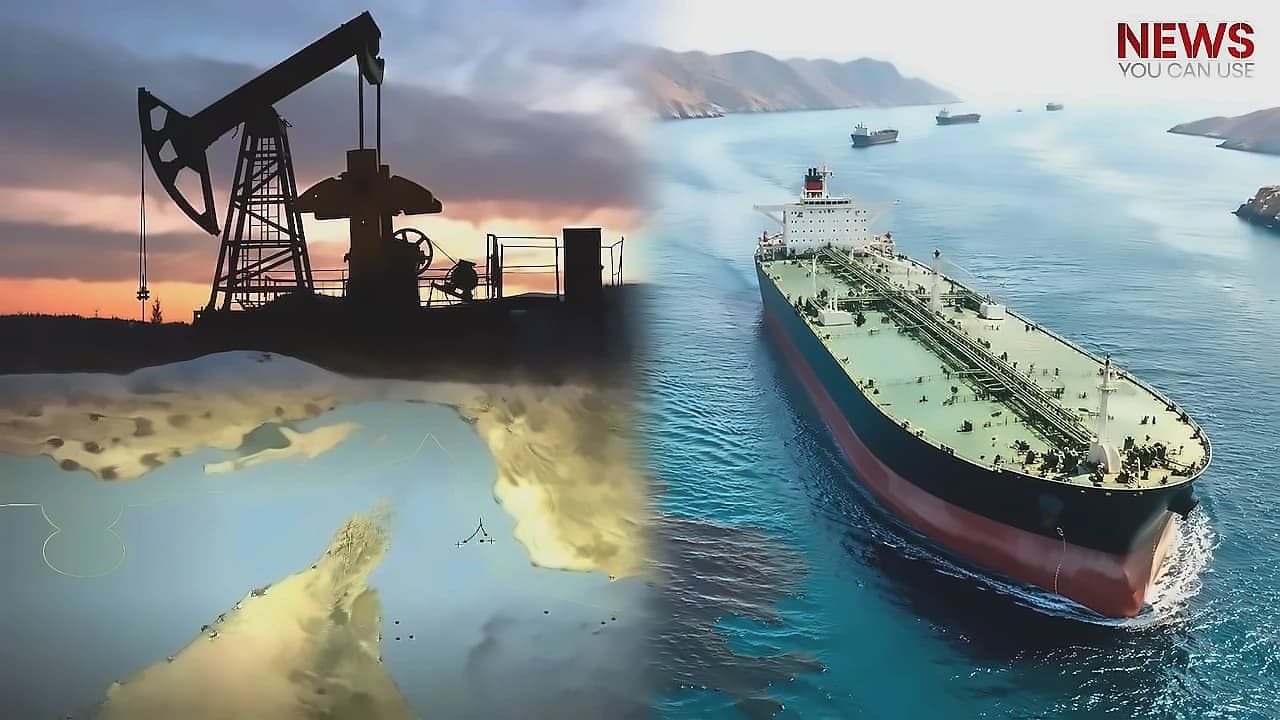
The Strait of Hormuz crisis has exposed critical vulnerabilities in India's energy supply chain, with the waterway handling 20% of global oil and gas before the conflict began. According to reports from Zee News, the war saw Iran shut down this vital maritime route, causing massive economic disruption worldwide. While Iran wasn't a direct supplier to India's energy basket, with New Delhi having suspended such imports since 2018 under pressure from the first Trump administration, major suppliers remained in the region including Iraq, Saudi Arabia, Kuwait for crude oil and Qatar, UAE for LNG. The International Energy Agency estimates that an average of 20-21 million barrels of oil and petroleum products passed through the Strait daily before the conflict. India imports about 85-90% of its crude oil — roughly five million barrels a day, with the country's fossil fuel import bill standing close to ₹180 billion even before the present crisis. As economist Raghuram Rajan warns, a potential US-Iran peace deal does not erase the underlying vulnerability that the Hormuz disruption exposed, with the strait accounting for a significant share of India's crude, LNG and LPG imports.
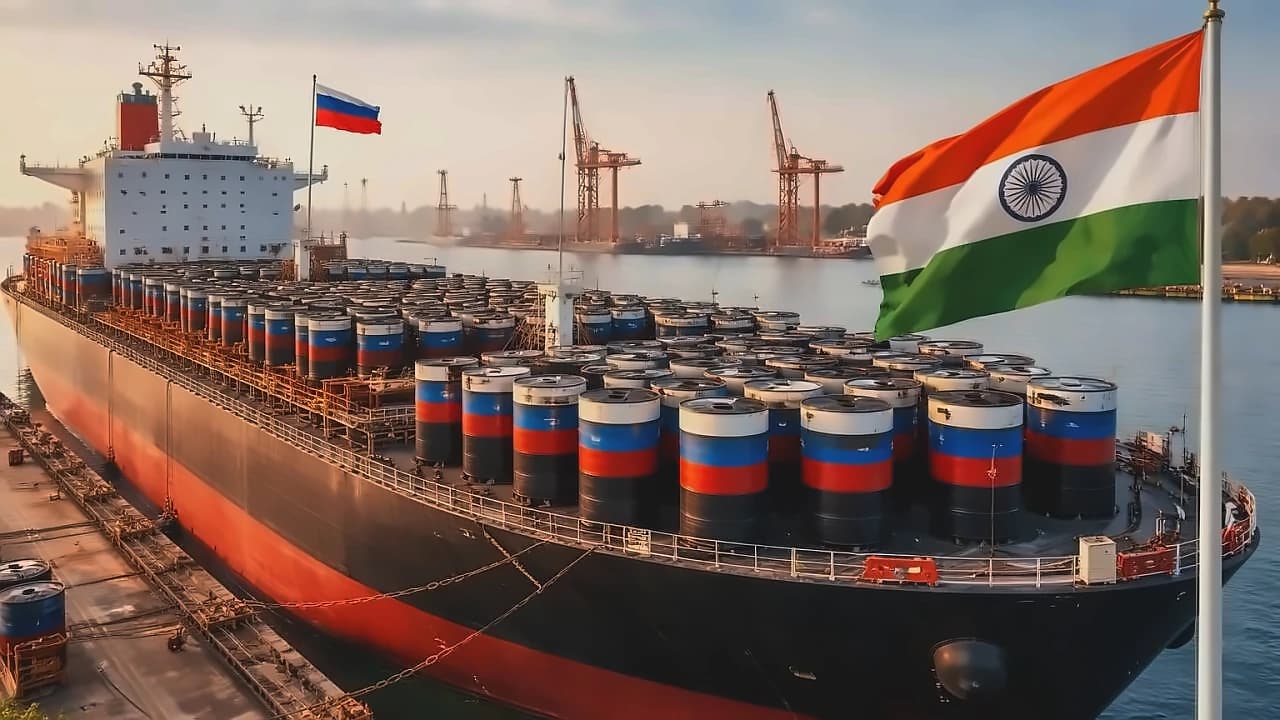
India has significantly diversified its crude oil sourcing in recent months, with Russian imports surging to 2.66 million barrels per day in June 2026, up from 1.91 million bpd in May, according to data from maritime intelligence firm Kpler. UAE imports remained near-record levels at 636,000 bpd, while Venezuela emerged as India's fourth-largest supplier with 209,000 bpd, behind Saudi Arabia's 384,000 bpd. Notably, US imports fell sharply to 91,000 bpd from 252,000 bpd in May, as reported by Business Standard. This diversification strategy underscores India's efforts to reduce dependence on Gulf suppliers and secure alternative supply routes. Oil shipments through the Strait of Hormuz began recovering late last week after the US and Iran agreed to a ceasefire, though the truce remains fragile with Iranian authorities accusing Israel of violating the agreement.
Amid the Strait of Hormuz crisis, India has been confronting the full cost of its dependence on imported energy, with the country achieving significant progress in clean energy adoption. According to recent reports, India has crossed 283 GW of installed non-fossil fuel capacity, including over 154 GW of solar and 56 GW of wind, achieving the target of 50% installed electricity capacity from non-fossil sources ahead of the 2030 deadline. The economics have shifted decisively, with solar now among India's cheapest sources of new power and renewable energy with storage becoming increasingly competitive for evening and peak supply. Green ammonia auctions in India have discovered prices far below prevailing international levels, exemplifying how clean technologies have firmly entered the mainstream of India's energy economy. However, India must accelerate its ambition beyond the current 500 GW non-fossil target for 2030, targeting a trajectory towards 1,500 GW of clean energy capacity to compress the next decade of energy transformation into the next five years. Rajan cautions that renewable energy carries its own supply-chain risk, since India still depends heavily on imported solar cells and wind components, calling for Indian industry to take a bigger role in building domestic alternatives.
India must treat its energy transition as not merely a climate obligation but as a core energy security strategy, with electric mobility playing a crucial role in reducing oil dependence. According to recent analysis, India must announce a clear transport electrification roadmap: full electrification of new two-wheelers and three-wheelers by 2027, full electrification of new bus procurement by 2030, and electrification of cars and trucks by 2030, supported by charging infrastructure and domestic battery manufacturing. The country must become a champion of electric vehicles and penetrate global markets, with every successful electric vehicle and domestically produced battery pack taking a small bite out of future oil dependence. Green hydrogen and its derivatives should be targeted where they create real demand and reduce fossil fuel imports, with priority given to steel, cement, refineries, fertilizers, shipping fuels and selected industrial clusters, rather than spreading limited resources across every possible use case. Rajan advocates for building strategic buffers, domestic production capacity, and stronger ties with friendly supply countries, describing the recent shocks as a "wake-up call" that policymakers and industry should not let go to waste.