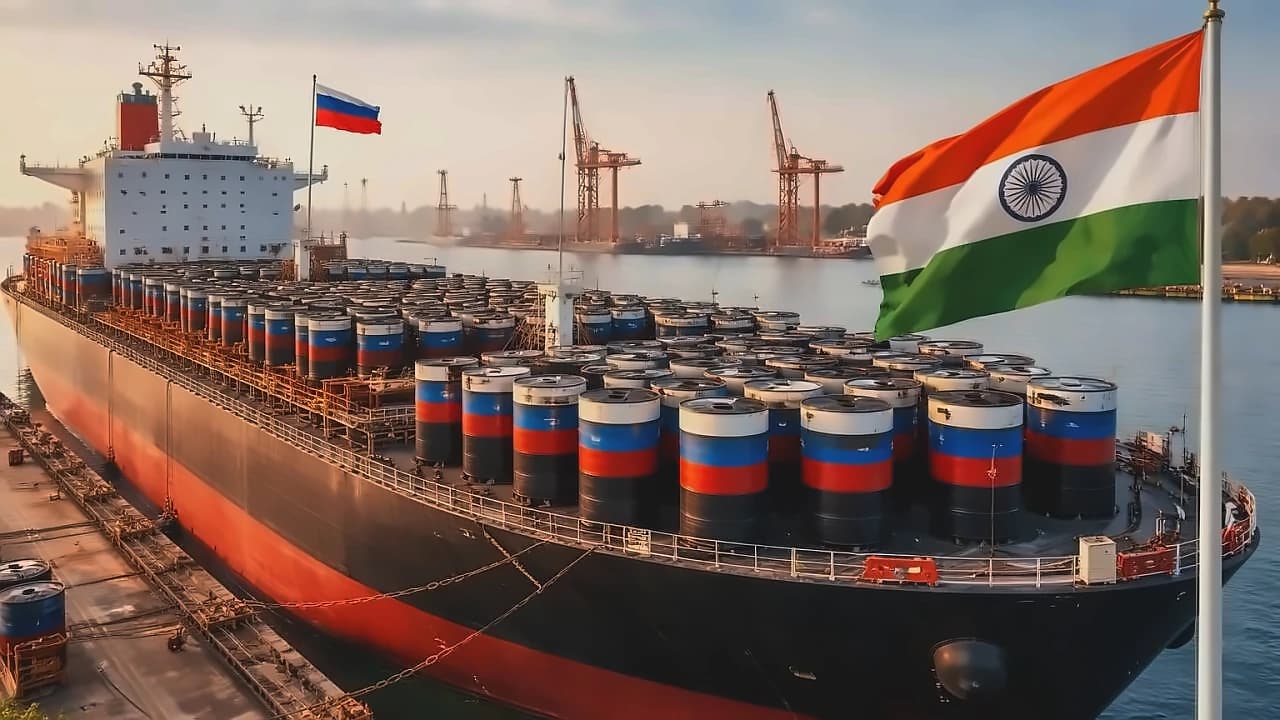
India has achieved a historic milestone by exporting its first gasoline cargo to Russia, with a shipment carrying around 350,000 barrels of gasoline arriving in Moscow on August 5, 2026. According to maritime intelligence firm Kpler, the tanker departed from India's Vadinar port in Gujarat in June 2026, marking a significant shift for the traditionally net fuel exporter. Nayara Energy Ltd, the Indian refiner backed by Russia's largest oil producer Rosneft PJSC, has emerged as the key supplier for these historic transactions. The shipment was routed through the Egyptian port of Damietta before continuing toward Russia, with at least two more cargoes, each carrying around 325,000 barrels of gasoline, expected to arrive by the end of August. Nayara Energy, which operates a 20-million-tonne-a-year refinery, has been relying on traders to import crude oil and export refined fuels since the European Union imposed sanctions in July 2025.
The fuel shortage stems from Russia's crude oil processing averaging 3.6 million barrels per day in July 2026, roughly one-third below normal seasonal levels following successive attacks on refineries. As reported by EA Analytics, Ukraine has intensified its campaign targeting Russian refineries, with strikes on five refineries last week and at least two more this week. This has prompted Russia to prohibit exports of both gasoline and diesel to prioritize domestic demand, marking a significant shift for the traditionally net fuel exporter. The long-range assault came at a critical time, with both the summer vacation travel season and the agricultural farming season in full swing. Industry estimates placed Russia's possible monthly gasoline import requirement at up to 400,000 tonnes from multiple countries to address the supply gap. The Associated Press has recorded more than 50 reported Ukrainian strikes on Russian oil refineries, storage depots, terminals and other energy facilities since March, with similar attacks also taking place in Crimea.
The gasoline shipments involve sophisticated logistics through Russian-linked tankers and ship-to-ship transfers off Egypt's coast. According to Bloomberg ship-tracking data, the Russian-flagged Cyclone loaded around 42,000 tonnes of gasoline at Vadinar on June 18, 2026, then transferred the cargo to the Oman-flagged Garnet at Damietta Port on July 6. The Garnet subsequently arrived in Russia in early August. Additional vessels including the product tanker Varg and Cameroon-flagged Photon have also completed similar ship-to-ship transfers at Damietta during July. The Vadinar refinery, located in Gujarat and operated by Nayara Energy Ltd, has been seeking to diversify export markets after its major buyer Hindustan Petroleum Corp. increased its own fuel production. Moscow previously relied primarily on fuel imports from neighboring Belarus and Kazakhstan in response to Ukraine's intensified drone attacks against Russian oil infrastructure.
The fuel shortage has significantly impacted Russian consumers, with the average price of gasoline in Russia climbing 17.7% since the start of the year, though it dipped by 1.4% over the past week as of August 3. A single-week decrease lowered the national average to 77.69 rubles per liter ($3.61 per gallon). In response to the supply drop, authorities have introduced fuel rationing measures across Russia and in annexed Crimea. Sumit Ritolia, lead analyst at Kpler, described the emergence of Indian barrels as particularly notable, demonstrating the severity of Russia's domestic gasoline imbalance. The shipments alongside continued imports from Belarus and other neighboring markets show how lower refinery runs are reshaping Russia's traditional product trade flows, with all vessels involved classified under the Russian shipping register and subject to European Union sanctions.
The development represents a significant shift in global energy trade patterns, with Russia traditionally being a net exporter of refined fuels. Nayara Energy's 400,000-barrel-per-day refinery at Vadinar has been seeking to diversify export markets after its major buyer Hindustan Petroleum Corp. increased its own fuel production. Oil Minister Hardeep Singh Puri had stated in July that Russian buyers may have purchased Indian-origin fuel from traders, though he ruled out any directed purchases from Indian companies. The emerging trading pattern suggests that the Damietta ship-to-ship transfer hub continues facilitating movement of Indian-origin gasoline toward Russian import channels amid ongoing geopolitical tensions. This development follows a rise in India's imports of Russian crude oil, which reached 48% of India's total crude imports in June 2026, creating a reciprocal energy trade relationship between the two nations.