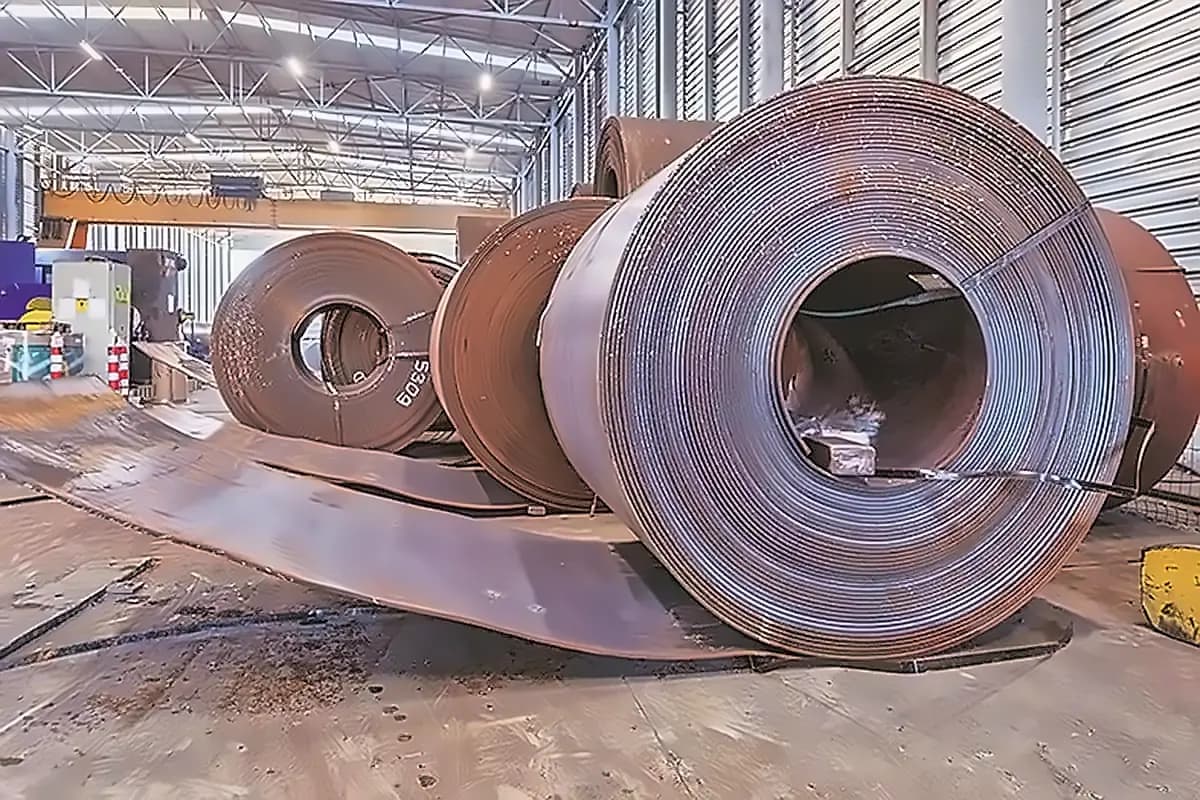
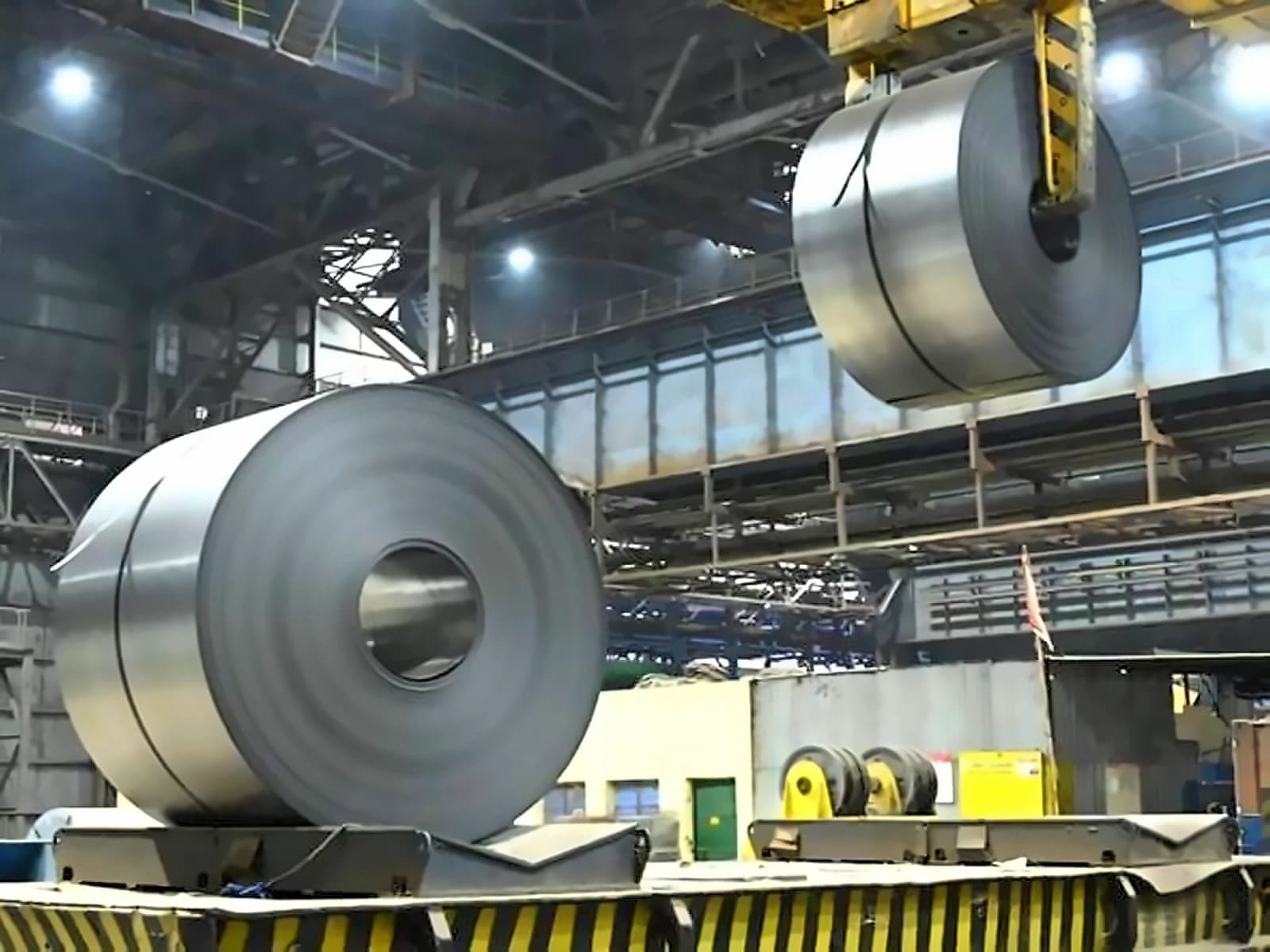
Indian steel prices have reached unprecedented levels, with hot-rolled coil (HRC) prices hitting ₹62,000 per tonne for the week ended 4 September, up 25% year-on-year and about 6% higher than June figures, according to Nomura Global Markets Research. This represents a significant escalation from the ₹4,000 per metric ton price recovery between August and early September, as reported by commodities consultancy BigMint. The sharp price increases have been supported by strong demand from the automotive sector and maintenance shutdowns that have tightened supply, with rebar prices at ₹57,000 per tonne up 20% year-on-year, though marginally lower than June levels. Notably, prices are running ahead of management guidance as companies had guided for Q2FY27 net sales realization to soften by ₹800-1,500 per tonne on flat products (HRC) and ₹7,000-8,000 per tonne on long products (rebars), sequentially, as reported by Antique Stock Broking.
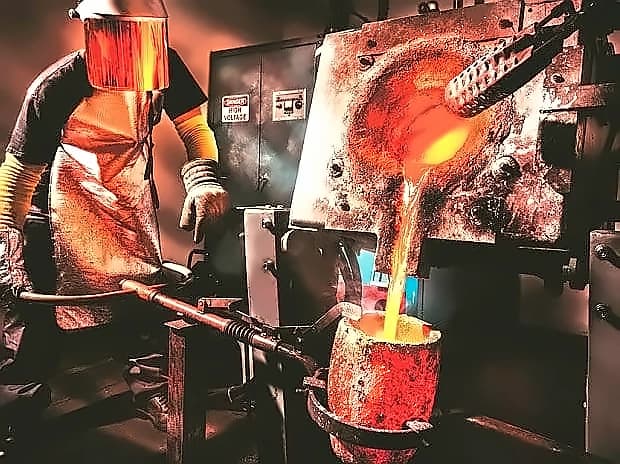
The price recovery is primarily driven by surging coking coal costs, which account for a significant share of production expenses, forcing mills to pass on these increased costs to consumers. As reported by CRU principal analyst Shankhadeep Mukherjee, this cost structure makes coking coal a critical factor in steel pricing decisions. Imported coking coal prices rose by about 13% in June amid supply disruptions at key producers, geopolitical tensions, and a mine accident in China, according to Nomura Global Markets Research. However, iron ore prices remain benign with NMDC reducing prices by ₹200 per tonne in August, making the overall cost environment more favorable for steel producers. Prices are now about 7% lower than in June, providing additional relief to steel producers. In China, coke futures have continued to strengthen since August 4, with the price of the 2701 contract rising from ₹1,782.5 per ton to ₹2,258.5 per ton, hitting a new high for the year, as reported by SunSirs.
The price increases are being supported by robust demand growth that keeps mills running hot. In July, domestic steel demand grew 6.8% year-on-year, according to data by the Joint Plant Committee, with first four months of FY27 showing 7.9% growth, following 7.7% growth in FY26. Kotak Institutional Equities expects utilizations to remain above 90% over the medium term, led by robust demand, with a 7% CAGR over FY26-29, outpacing capacity additions. Firm steel prices and soft iron ore costs have lifted spot HRC gross margin to ₹37,085 per tonne, according to Nomura Global Markets Research, ₹815 per tonne higher than the Q1FY27 average, significantly boosting steel producers' earnings outlook.
Despite positive domestic price momentum, higher imports from China remain a risk, as Chinese steel prices have fallen below domestic prices even after accounting for India's 11.5% safeguard duty. However, recovery in global steel prices has also supported domestic prices, with European HRC prices up about 24% year-on-year to €710 per tonne (about ₹77,913), as reported by Nomura Global Markets Research. This global recovery is being supported by the Carbon Border Adjustment Mechanism, which imposes a tax on imports based on their emissions intensity, as well as a reduction in duty-free import quotas. Antique Stock Broking notes that very limited impact as India's exports to Europe are low, with the loss more than compensated by imposition of safeguard duty which is keeping imports in check. Bloomberg data shows that new capacities of domestic companies ramping up could limit upside potential for domestic steel prices, with approximately 15 million tonnes per annum of new crude steel capacity expected by FY28.
Steel stocks have delivered mixed returns this year, with Steel Authority of India Ltd (SAIL), JSW Steel and Jindal Steel gaining 26%, 11% and 7% respectively. Kotak Institutional Equities believes that SAIL and Jindal Steel should benefit the most from the recent recovery in long steel prices, while Tata Steel is up only 2%, weighed down by environmental compliance issues at its Netherlands operations. These shares trade at 6.5-11.1x FY27 enterprise value-to-EBITDA multiple, with SAIL at the lower end and JSW Steel at the upper end. The revival in HRC and rebar prices provides near-term earnings visibility, though downside risks persist from potential new capacity additions and global competitive pressures. Production rationalization in China and resilient domestic demand are positive factors supporting the sector outlook.