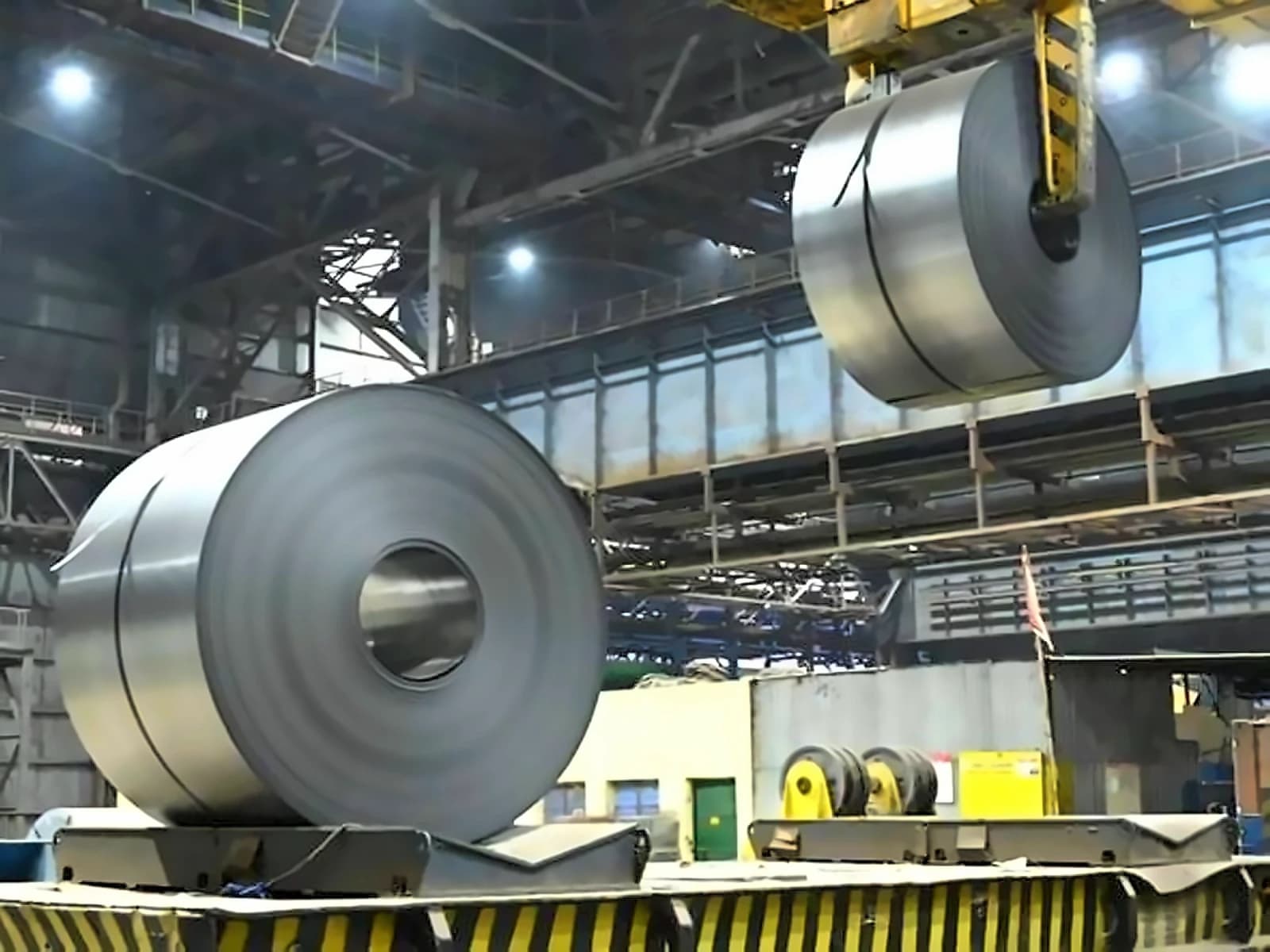
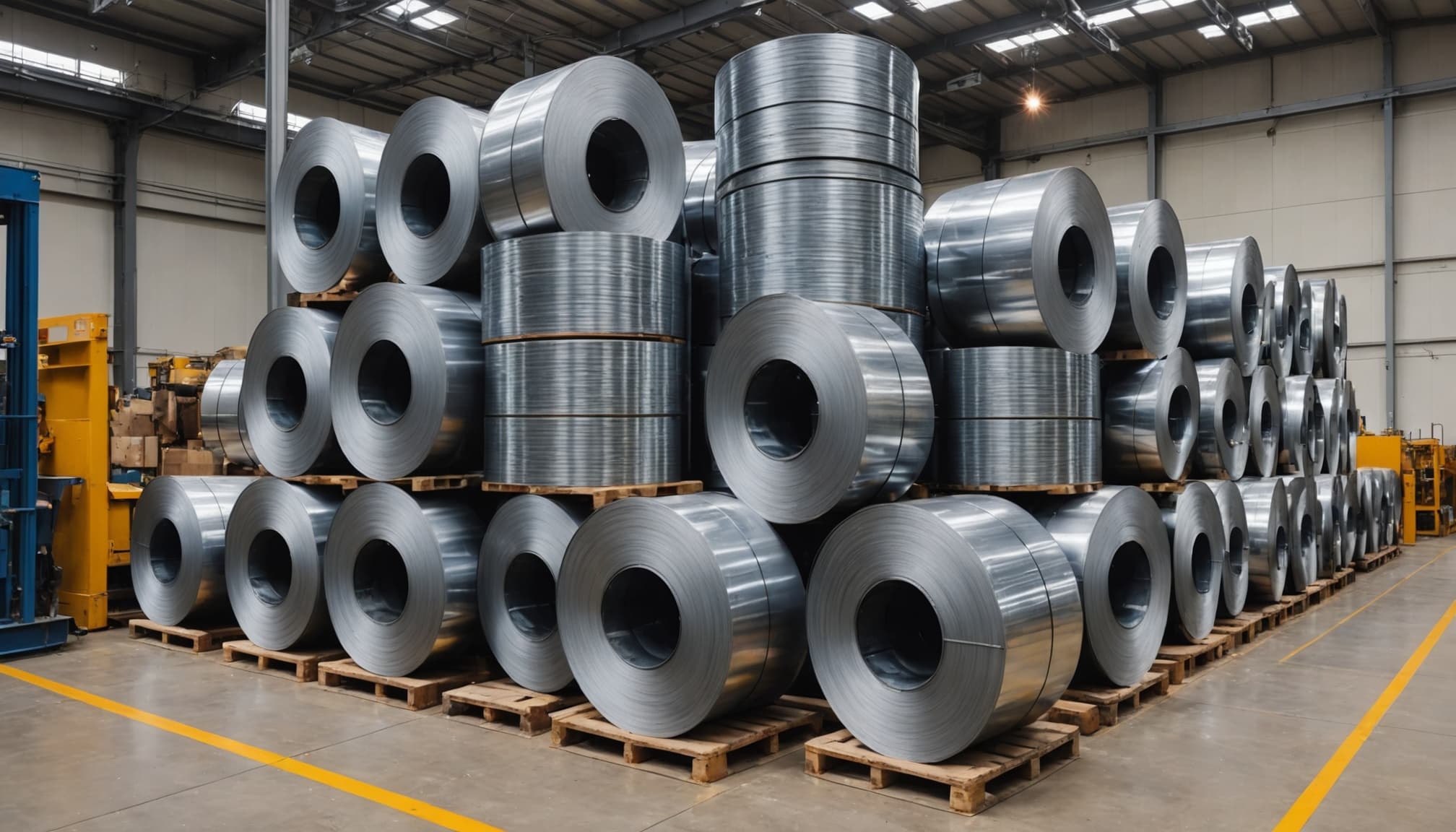
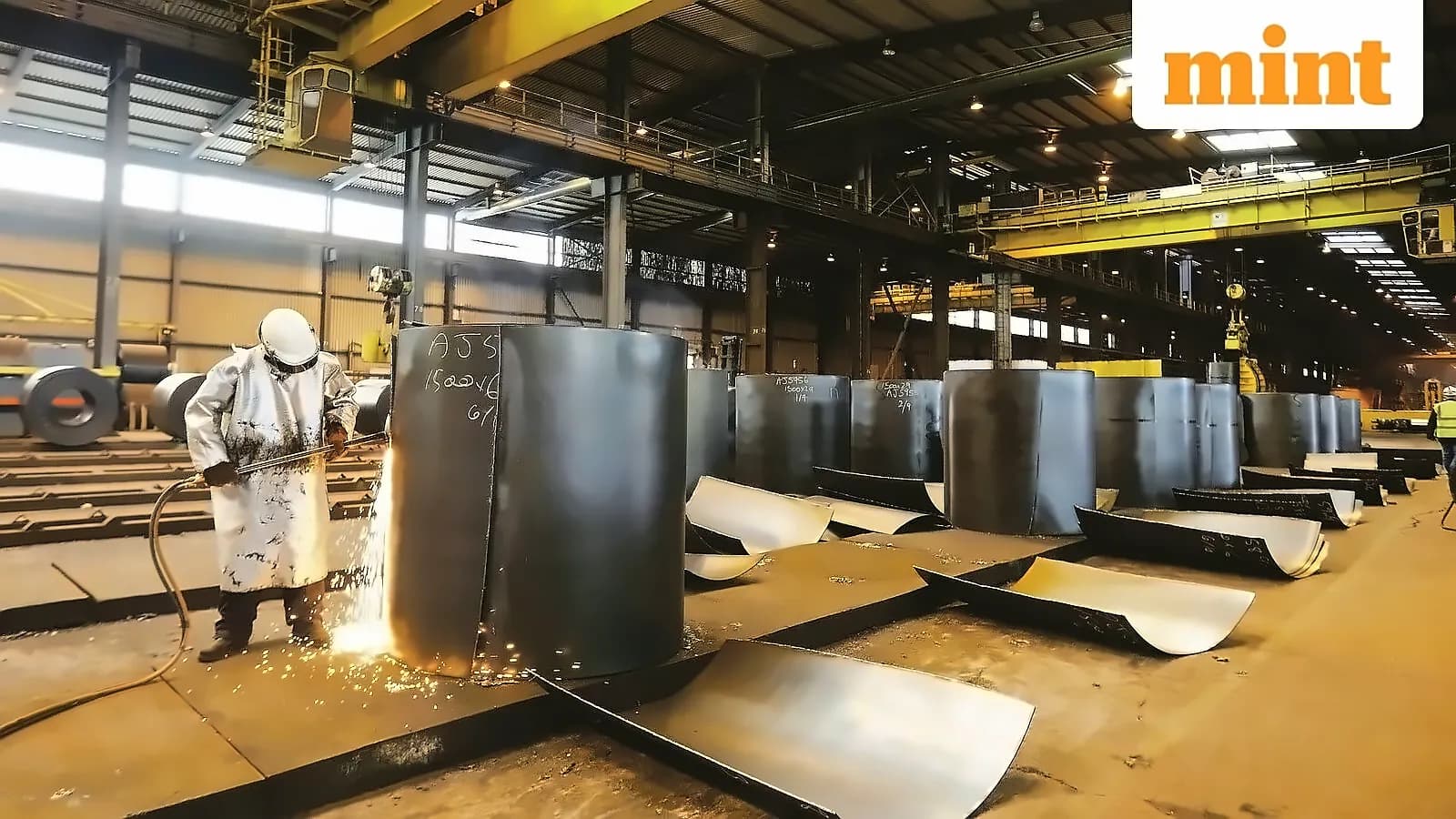
Domestic steel prices have touched a four-year high due to costlier raw materials, especially coking coal, coupled with rise in post monsoon demand, according to market research firm BigMint. The trend is expected to continue over the remaining quarters of the ongoing fiscal year, with hot rolled coil (HRC) and CRC trading at ₹64,000 per tonne and ₹75,000 per tonne respectively. Such levels were last seen in June 2022, marking a significant recovery from recent lows. From August 1, prices of HRC and CRC have increased by ₹6,000 per tonne and ₹8,500 per tonne respectively, with HRC and CRC at ₹58,000/tonne and ₹66,500/tonne at the start of August.
The improvement in steel prices is mainly attributed to cost pass-through mechanisms, as input costs have simultaneously increased. As reported by BigMint, coking coal, mainly imported, has seen a surge of around $65 per tonne to $305/tonne in just one month, while iron ore fines have seen a rise of ₹200-250 per tonne to ₹4,500 per tonne. Coking coal alone contributes over 30 per cent to the cost of steel production through blast furnace route, creating significant margin headwinds. The premium Australian coking coal price has risen to $300/t from $260/t in June 2026, with every $10/t increase in coking coal adding $7-8/t to input costs.
In April-August FY27, the consumption of steel in India reached 70 MT, posting a 7 per cent year-on-year rise, according to BigMint data. The spike in prices is mainly due to rise in key raw materials coupled with an increase in demand, with the trend expected to continue as demand is expected to continue from both construction and infrastructure sector. These sectors consume 60 per cent of the steel produced in India and demand mostly comes after the post monsoon period every year, with the demand also complemented from the automotive industry. HRC and CRC are flat steel used in the auto, appliances and construction industries, hence any rise in the prices will impact the prices of vehicles, consumer goods and cost of construction as steel is a raw material for these sectors.
JSW Steel shares closed at ₹1,253.40 on September 17, gaining ₹4.50 or 0.36% with a trading range of ₹1,242-₹1,260. The stock maintained its position above the 200-day moving average of ₹1,228.40 but remained below the shorter-term 50-day and 100-day DMAs at ₹1,284.20 and ₹1,267.40 respectively. With a market capitalisation of ₹3,06,513 crore, JSW Steel has delivered a 12.39% return over one year, though shorter-term performance remains mixed with negative returns for one month (-1.31%) and three months (-1.64%). The stock's 52-week range spans from ₹1,073 to ₹1,351, with current trading ₹180.40 above the annual low and ₹97.60 below the high.