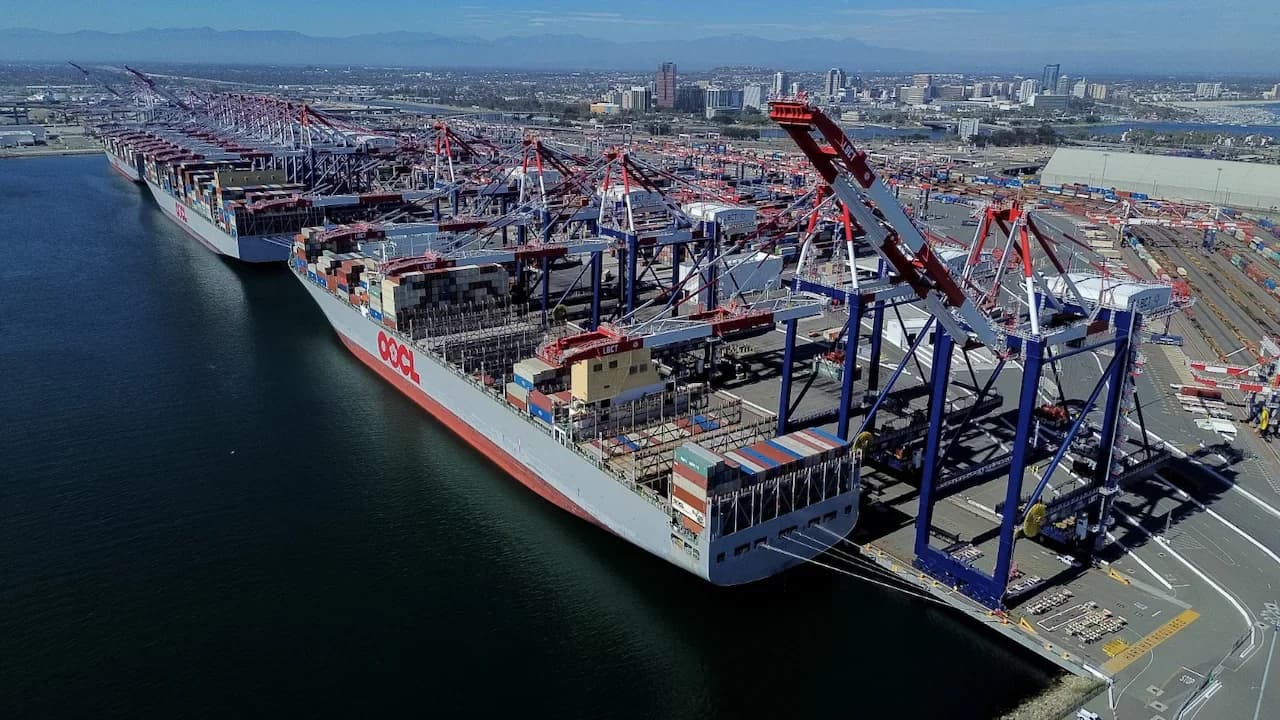
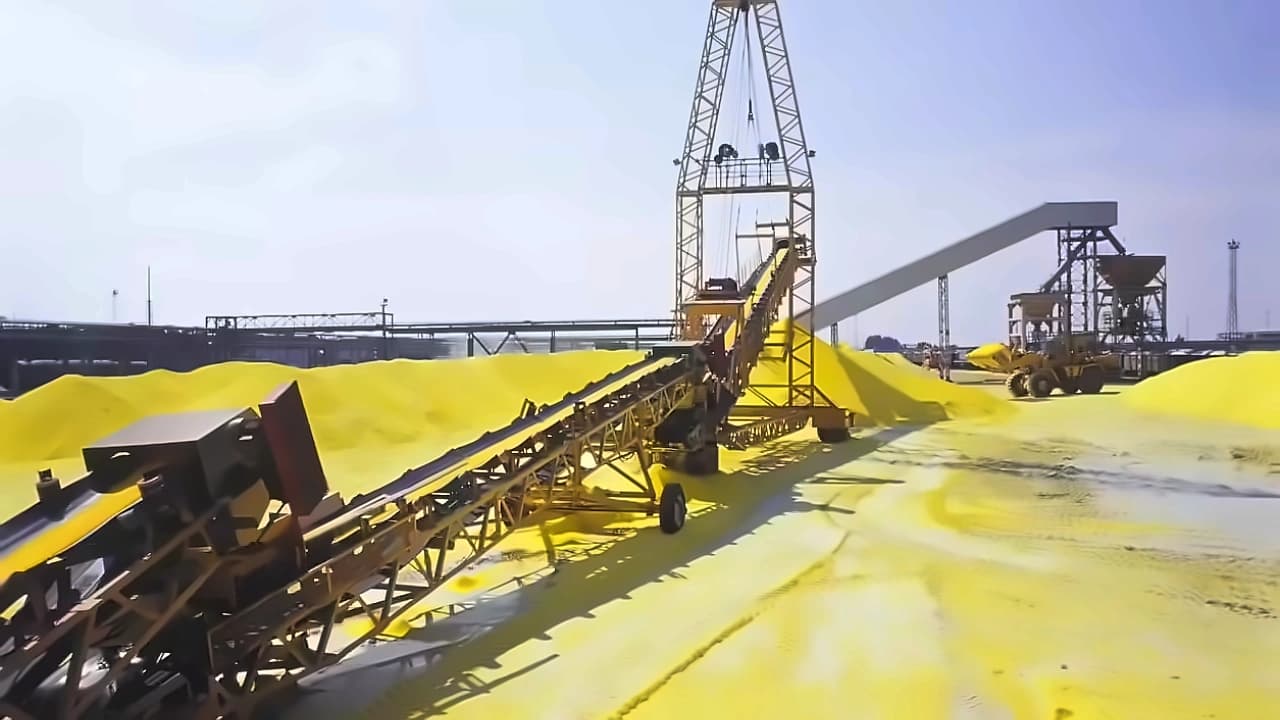
US Trade Representative Jamieson Greer announced that China will make double-digit billion dollar purchases of American agricultural products annually over the next three years following President Trump's visit to Beijing. According to reports from Bloomberg, Trump emphasized that the nation will look at 'a lot of soybeans for our farmers' during a Fox News interview, stating that China has 'an unlimited appetite' for American farm products. Greer confirmed that the countries already have an existing agreement for China to buy 25 million tons of soybeans annually over the next few years, with most sales expected to occur in the later part of the year following the harvest that starts around September. The new agreement would encompass 'everything else' beyond soybeans, according to Greer's Bloomberg Television interview with Annmarie Hordern.
Soybean futures in Chicago rose as much as 0.8%, while corn climbed as much as 1.3% and wheat edged higher following the trade announcement. As reported by Bloomberg, grain markets had fallen Thursday amid a lack of information around agricultural buying as talks between Trump and China's President Xi Jinping kicked off. However, farmers and traders continue searching for more concrete details from the talks, including specific volumes and timing of crop purchases. China had already met an initial pledge to buy 12 million tons of US soybeans shortly after Trump and Xi met last year in South Korea, reviving flows that had been stalled for months due to broader trade tensions.

Senator Roger Marshall (R-KS) praised President Trump for securing Chinese commitments to buy American soybeans, crediting him and Republican leadership with unmatched support for farmers and rural America. As reported by Newsmax, while trade deals remain important, many family farms continue grappling with high costs and market pressures—reminders that sustainable rural prosperity requires steady, inclusive policies beyond election-year spotlights. The timing aligns with China's typical pattern of booking US supplies in the months immediately after harvest when the country's supplies are most competitive globally. If the volumes are realized, it would mark a return to roughly average levels of soybean trade rather than expanded access.