China is accelerating plans to launch its first sulphur futures contracts this year as the Iran conflict has intensified price volatility, according to sources told Reuters. The Dalian Commodity Exchange is likely to launch sulphur futures in the fourth quarter of this year, though the timeline remains subject to finalization and requires regulatory approvals. The Dalian Commodity Exchange and the China Securities Regulatory Commission, which typically approves new futures products, did not immediately respond to Reuters' requests for comment.
The exchange had long planned to introduce sulphur futures, but work accelerated after the Iran conflict heightened price swings and underscored the need for a hedging instrument, as reported by Reuters. China, the world's largest sulphur consumer, imports around 50% of its sulphur requirements annually. Customs data showed imports during the first five months of the year fell by more than half compared with a year earlier, highlighting the country's heavy reliance on international supplies. The latest developments show that Oman has informed European officials that the Strait of Hormuz cannot return to its pre-war status and that vessels transiting the strait may be required to pay certain fees, with Omani officials stating they would comply with international maritime law but might charge fees for services related to strait pollution cleanup or vessel navigation.
Sulphur is widely used in fertiliser production, copper mining, nickel refining and several industrial applications. According to Shanghai Metals Market data reported by Reuters, spot prices of solid sulphur in eastern China touched a record 11,850 yuan (USD 1,743.16) per metric tonne earlier this month before easing to 9,043.5 yuan per tonne on Friday as shipments resumed through the Strait of Hormuz. Despite the correction, prices remain 292% higher than a year ago, reflecting the ongoing supply constraints. The latest market data shows that U.S. inflation further increased in May, with the PCE price index annual rate surpassing the 4% threshold for the first time in three years - potentially bringing the Federal Reserve closer to raising interest rates this year.
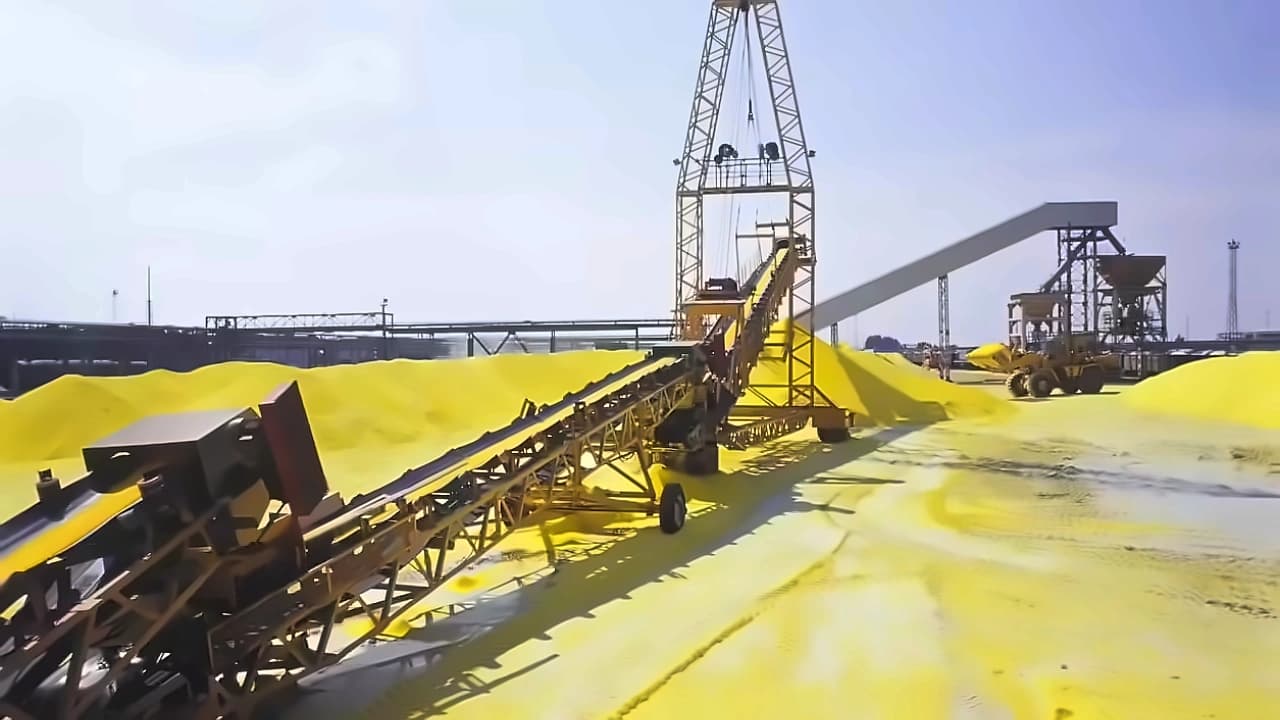
Analysts at Huatai Futures told Reuters that the proposed contracts would allow users to hedge against further price volatility. The futures could also help build visible commercial inventories at the exchange, strengthen supply-chain resilience and improve China's pricing power in the global sulphur market. Nearly half of the world's seaborne sulphur trade passes through the Strait of Hormuz, making supply disruptions particularly impactful for global markets. The escalating tensions have led to U.S. Central Command conducting strikes against Iran in strong response to attacks on commercial vessels transiting the Strait of Hormuz, with forces maintaining vigilance to ensure safe passage for commercial vessels.