Gas Supply, wholly owned by Temasek, confirmed on October 24 that its gas delivery to customers has been affected by temporary reductions in supply from its Indonesian supplier. According to Business Standard, Singapore's Energy Market Authority (EMA) reported that the total reduction amounts to 17 BBTUD over a period of 18 days, representing a significant impact on Singapore's energy security. Minister Tan See Leng stated that Gas Supply will examine what remedies are available in their commercial contracts, leaving the determination of contract breach to the company's internal assessment.
The gas supply cuts affect gas supplied through pipelines from Natuna and Sumatra, with the reductions impacting only Singapore as the relevant export pipelines are connected directly to the city-state. As reported by Business Standard, Singapore's total daily gas demand amounts to more than 1,000 BBTUD, making the 17 BBTUD reduction a substantial portion of its energy needs. Singapore relies on natural gas for around 95% of its electricity needs, with 40% of supply in 2025 coming via pipelines from Malaysia and Indonesia, while the remainder was supplied by sea from global markets.
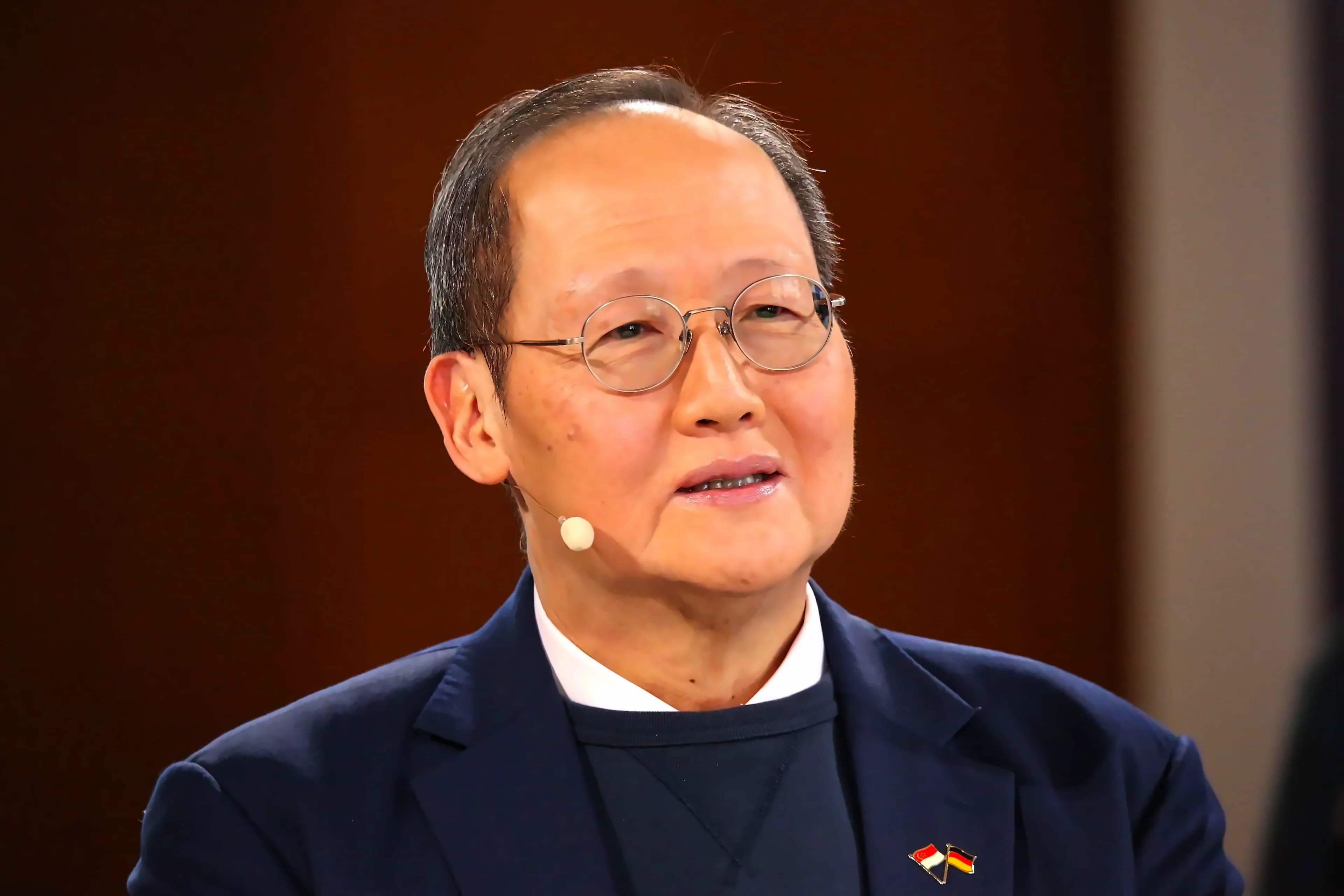
Indonesia began reducing natural gas exports to Singapore from Saturday, as President Prabowo Subianto seeks to bolster domestic supply. According to reports from Business Standard, Singapore's Energy Market Authority has confirmed the country has sufficient supplies and that the cuts represent less than 2% of its total daily gas demand. Singapore's Minister for Energy, Trade and Industry Tan See Leng assured that there is no concern of shortages and emphasized that households and businesses can be assured of energy security. The cuts specifically affect gas from Sumatra exported to Gas Supply and Natuna pipeline supplies to Sembcorp Gas receiving facilities.
Singapore has implemented multiple layers of defence to ensure energy security, including diversifying natural gas sources and requiring power generation companies to maintain sufficient diesel reserves. As reported by Business Standard, the country plans to add more liquefied natural gas capacity to import from a wider array of suppliers, build new power plants and increase fuel stockpiles. Singapore expects to increase its LNG throughput capacity by another 50% once its second import terminal comes online ahead of 2030, with plans to build five new power plants coming online between 2026 and 2031. The country is also exploring alternative energy sources such as biomethane and geothermal in the medium term.
This latest reduction follows Singapore's experience of gas supply shortfalls ranging from 20 BBTUD to 100 BBTUD in recent months due to planned or urgent maintenance activities. According to Business Standard, these previous shortfalls had been successfully replaced with other gas sources without incident. Minister Tan emphasized that Singapore will not be able to insulate itself from global or regional shocks, noting that when there is a supply crunch, countries may prioritize their own domestic needs, making the trend of resource nationalism particularly concerning for energy security planning.