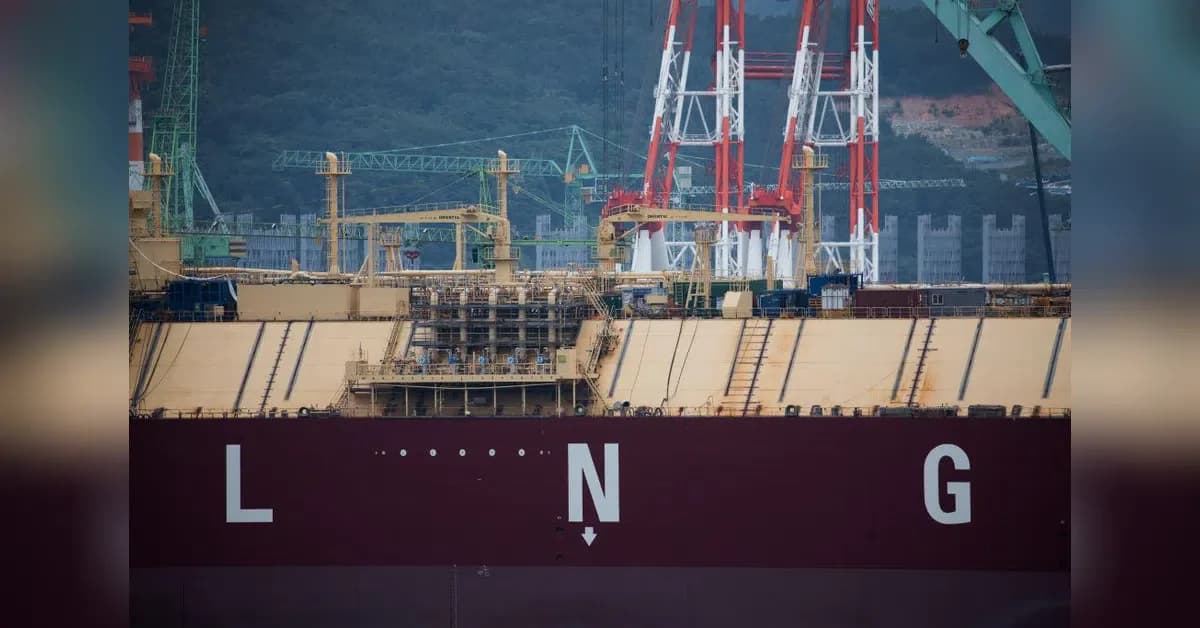
The conflict in West Asia has choked a fifth of global LNG supply, but according to reports from Business Standard, this hasn't resulted in extreme price spikes seen during previous energy crises. The key factor has been weaker Chinese imports in March and April, though signs of a rebound in the country's purchases are raising the prospect of fiercer global competition. As reported by energy analyst Saul Kavonic at MST Marquee, LNG prices could rise a further 50 per cent through August if the Strait remains largely closed.
Meteorologists are expecting that El Niño — which warms sea surface temperatures in the equatorial Pacific — will emerge from June to August, potentially bringing hotter weather across Asia. According to James Caron, director of US and Asia meteorological operations at Atmospheric G2, the average temperature in Japan is expected to be around 1.5 degree Celsius above normal, while South Korea and much of China will see smaller anomalies of 0.5 degree Celsius to 1 degree Celsius above average. From June through August, southern and southwestern China has a high chance of temperatures in the top 20 per cent of historical records.
Chinese LNG imports, which slumped in the months after the war began, are recovering as utilities refill storage and replace lost Qatari supply. As reported by Business Standard, the 30-day moving average of deliveries to China are down less than 10 per cent compared with last year's levels, an improvement from minus 30 per cent in late-March. Maggie Xueting Lin from Citigroup Inc. noted that China's demand is likely to increase in the coming months following seasonality, though industrial demand remains weak due to a sluggish real estate sector.
Japan, the world's second-largest LNG buyer, is facing a blistering summer with local forecasts indicating increased demand for power-plant fuel. According to Business Standard, Japan's spot electricity prices have jumped over the last few months and are near the highest level since 2022. Meanwhile, Europe is poorly positioned as temperatures warm, with Swiss hydro low and river levels declining, which could affect nuclear power plants. Helle Ostergaard Kristiansen from Equinor ASA noted that it's a tight gas market in Europe with a lack of physical gas.