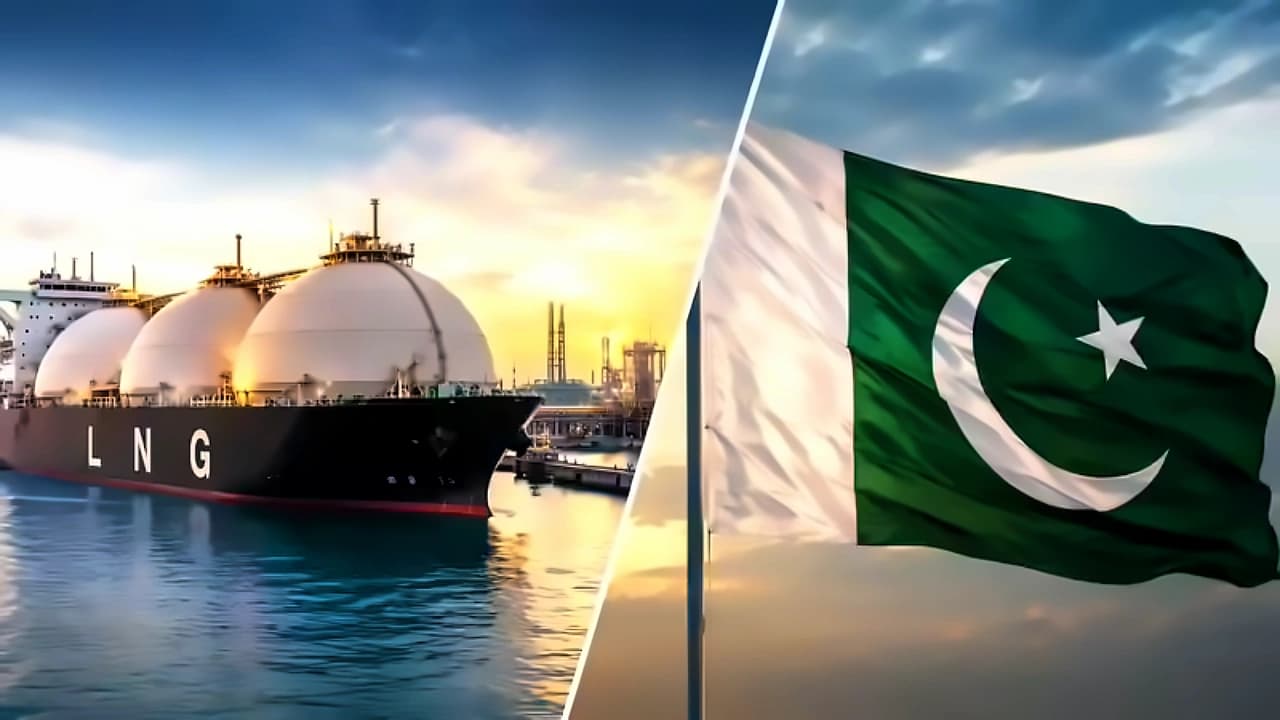
According to Business Recorder reports, Pakistan LNG Ltd, the state-run company, did not award emergency tenders for two LNG cargoes required for May delivery that closed on Thursday. The decision was based on the assumption that tensions between the US and Iran are beginning to cool and that Qatar will soon deliver two contracted LNG shipments to Pakistan. This represents a significant departure from Pakistan's typical procurement strategy, as the country has received only one LNG shipment since early March - a steep decline from last year's average of nine cargoes monthly. The cargoes were specifically scheduled for May 12-14 and May 24-26 delivery at Port Qasim in Karachi. As per latest reports, Pakistan LNG Limited informed the two lowest bidders, BP Singapore and TotalEnergies Gas & Power Limited, that their offers had not been accepted despite receiving competitive offers from international suppliers.
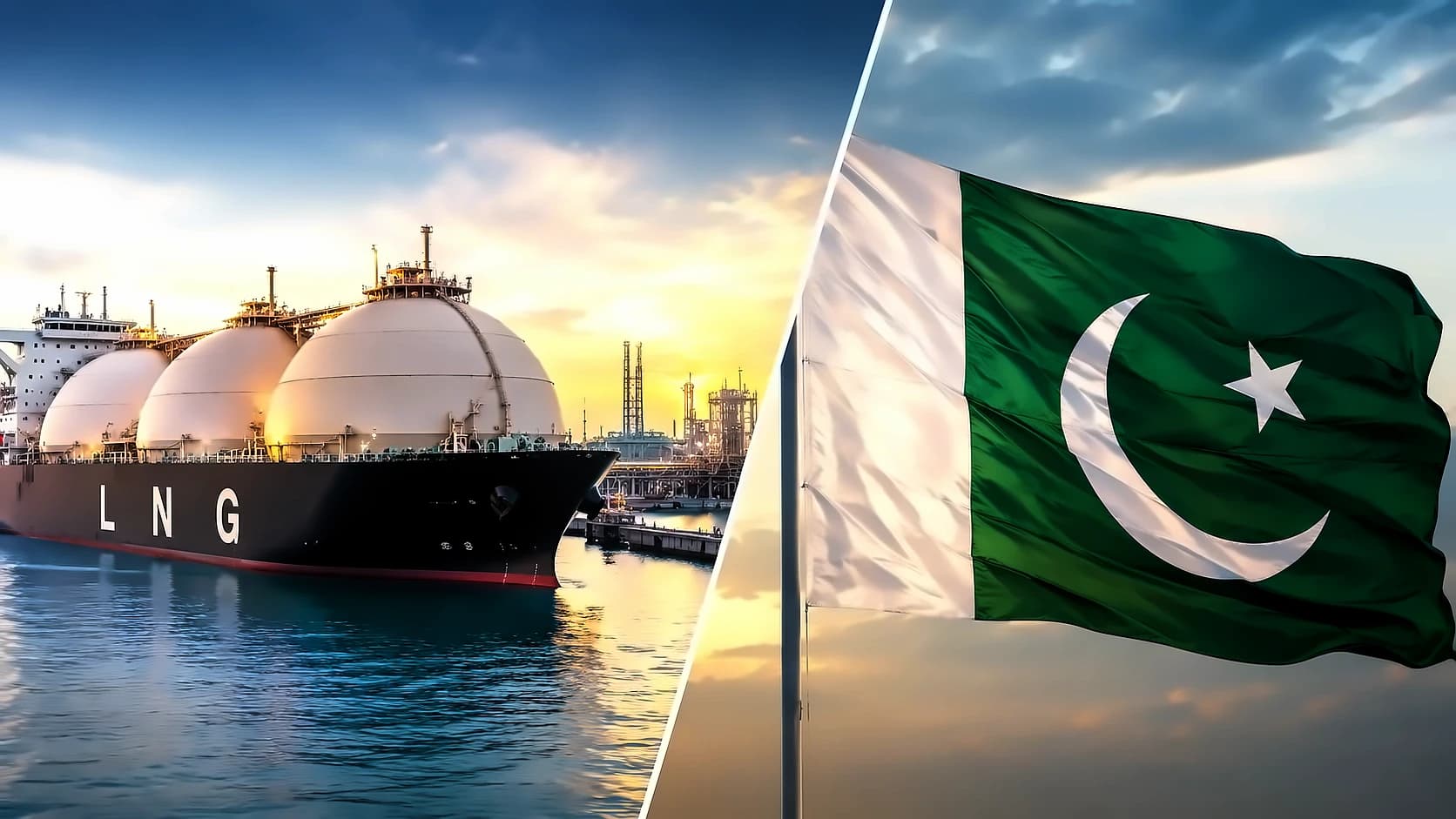
Under its long-term agreement with Qatar, LNG costs roughly half as much as cargoes sourced from the spot market. However, avoiding spot purchases may deepen Pakistan's energy challenges, as the country is already dealing with a gas deficit that has contributed to widespread electricity outages. The latest tender had sought deliveries for May 12-14 and May 24-26, but Pakistan was forced to return to the spot market last month after more than two years due to regional conflict disruptions. Despite the risks, the government's cautious approach reflects the significant cost differential between long-term Qatari contracts and expensive emergency spot purchases, with authorities attempting to avoid costly spot market purchases due to pressure on foreign exchange reserves and the country's import bill.
The energy situation unfolds against ongoing instability in the Strait of Hormuz, which has been heavily disrupted since fighting began in late February. The route handles around one-fifth of the world's LNG along with large volumes of oil and petroleum products. Although a ceasefire has been in place since early April, fresh clashes between the US and Iran have raised doubts over whether peace will hold. Despite tensions, some shipments have still made it through, including a diesel tanker last week. The move comes after assessments that the standoff involving the US and Iran may be cooling down, potentially reducing risks around the Strait of Hormuz and allowing regular Qatari LNG shipments to continue uninterrupted. Energy markets across Asia have remained under pressure in recent months after tensions involving Iran disrupted shipping activity through the Strait of Hormuz, a critical global energy corridor.
Prime Minister Shehbaz Sharif held a call with Qatar's Prime Minister Sheikh Mohammed bin Abdulrahman Al Thani on May 7, during which they discussed the conflict and reaffirmed their commitment to peace efforts. Meanwhile, economic concerns are mounting, with a report warning that Pakistan's economy could remain under pressure, with inflation expected to stay in double digits if global oil prices continue to rise amid Middle East tensions. Topline Securities Ltd estimates inflation could average between 9-10% over the next year, with fourth-quarter FY26 figures potentially rising above 11% under current conditions. The diplomatic engagement follows recent discussions between both sides regarding regional stability and ongoing peace efforts in the Middle East. Pakistan's evolving diplomatic role in the region is believed to have improved confidence regarding LNG transportation, with Qatar showing earlier reluctance in supplying additional LNG cargoes due to fears surrounding regional security risks.