Silver has experienced a significant decline this year, trading 23% lower and facing strong headwinds ahead. According to reports from The Financial Express, silver prices cracked 22% in June alone and are currently priced at around $58 per ounce. Despite this decline, silver has increased over 50% in the past year, though it has retracted to levels last seen in December 2025. The all-time high price for silver remains $121, reached at the end of January, while silver price in India is around ₹2,20,000 per kg.
The primary driver of silver's decline is the ongoing geopolitical tensions in the Middle East, particularly the Iran war affecting the Strait of Hormuz. As reported by The Financial Express, Brent crude still trades 20% higher than pre-Iran war levels at $86, with the recent high reaching $119 after the war broke out. The escalating tensions have contributed to higher inflation, with US CPI falling to 3.5% in June from 4.2% the previous month. A split vote in the July FOMC meeting with 3 members voting for a rate hike signals growing expectations for September rate increases.
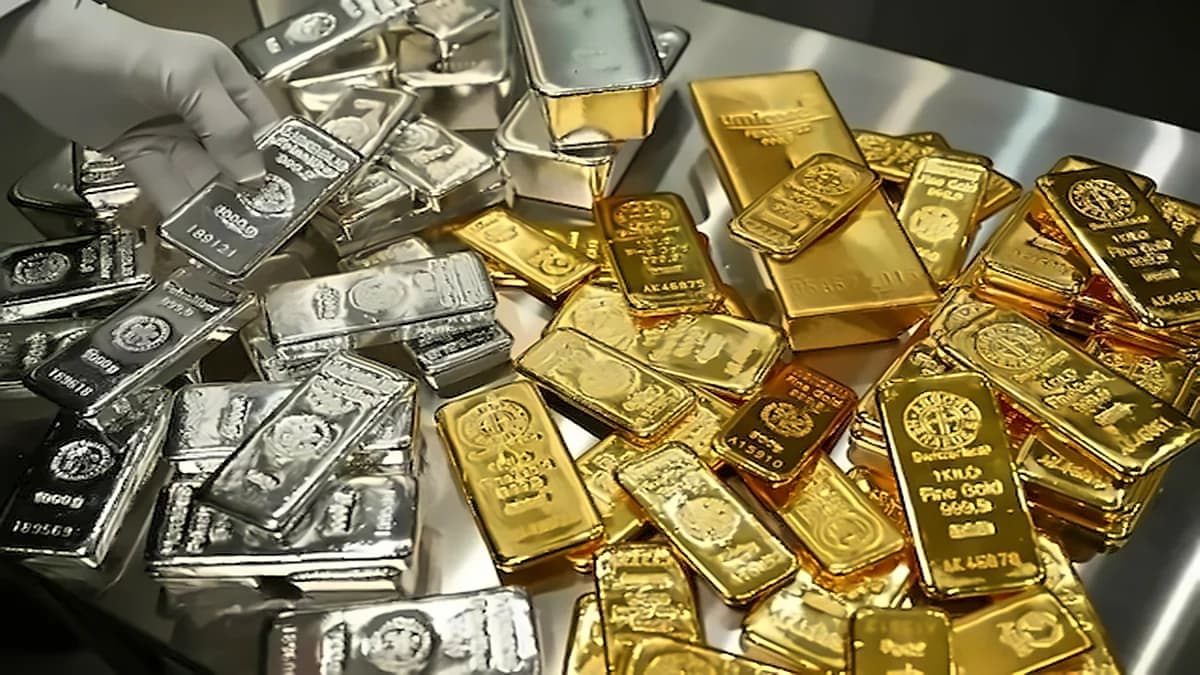
The US Federal Reserve's monetary policy stance is significantly impacting precious metals markets. According to The Financial Express, the Fed has maintained interest rates at 3.5%-3.75% but expectations for a September rate hike are growing due to inflation resurgence. The strengthening dollar, reflected in a 2% rise in 2026 after a decline of over 10% in 2025, increases the opportunity cost of holding non-yielding assets like gold and silver. Currently, gold is priced at $4,055 per ounce and silver at $58, maintaining the long-term average gold-silver ratio between 60-70.
Silver demonstrates higher volatility than gold, with prices showing sharp movements both higher and lower. As reported by The Financial Express, silver has a much smaller market cap of about $3 trillion compared to nearly $30 trillion for gold, leaving space for speculation leading to higher volatility. The silver market is heading for a sixth straight annual deficit of roughly 46 million ounces in 2026. Investment experts recommend limiting silver exposure to 10% including gold investments, avoiding leverage, and staggering investments over a long duration.