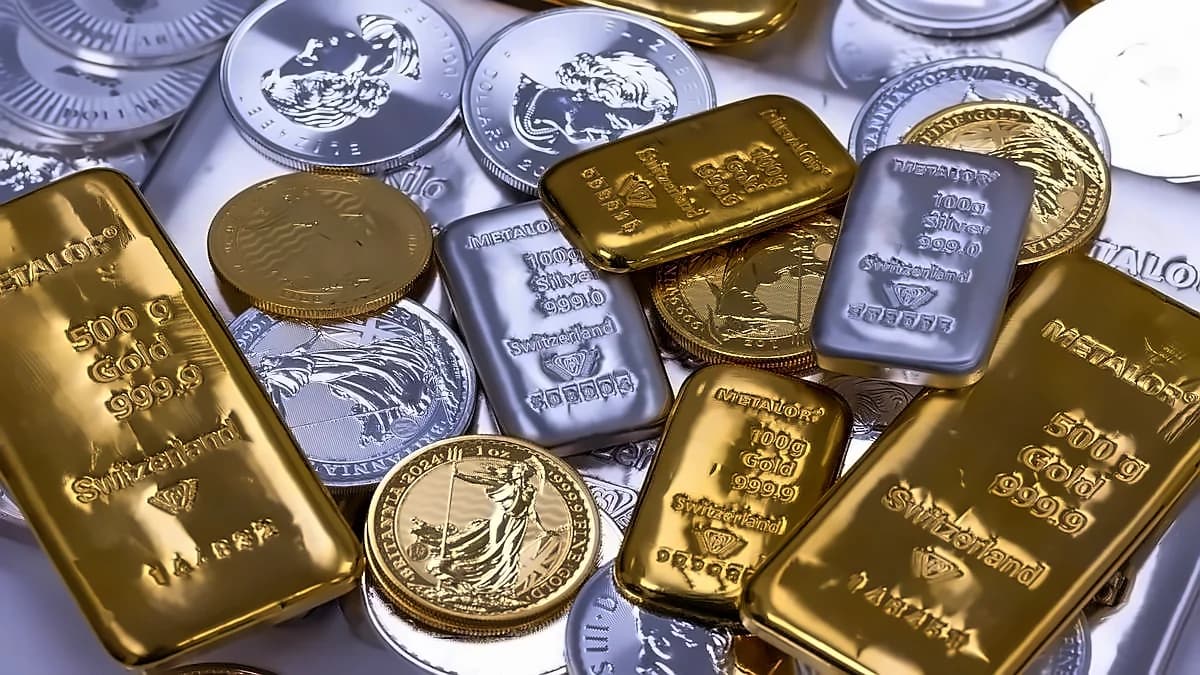
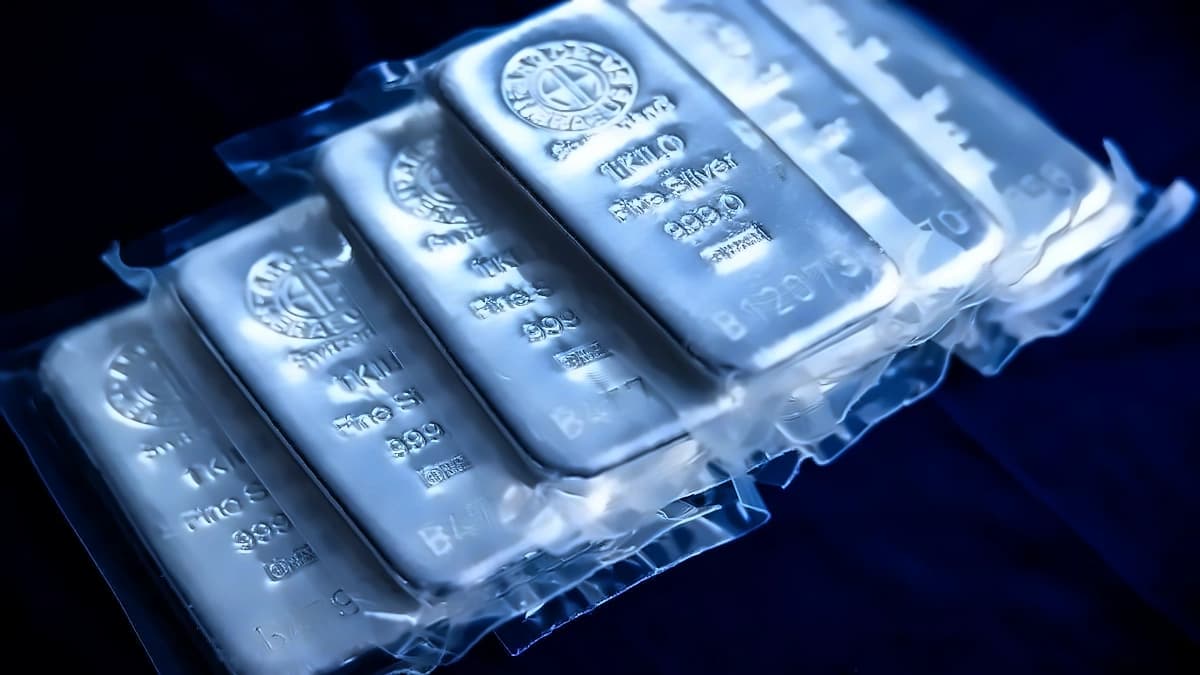
Bank of America analysts have issued bullish projections for silver prices, predicting the metal could reach $135-$309 per ounce by the end of 2026. This represents a significant upside potential from current levels, as silver has already demonstrated remarkable outperformance against gold with prices jumping from $30 to $78 in the last year, posting a huge gain of 140%. Comparatively, gold managed to rise from $3,222 to $4,562 during the same 12-month period, registering a more modest gain of 40%. According to reports from The Financial Express, this outperformance extends beyond the recent year, with silver up 220% over the last 5 years versus gold's 157% gain, and 350% over 10 years versus gold's 260% jump.
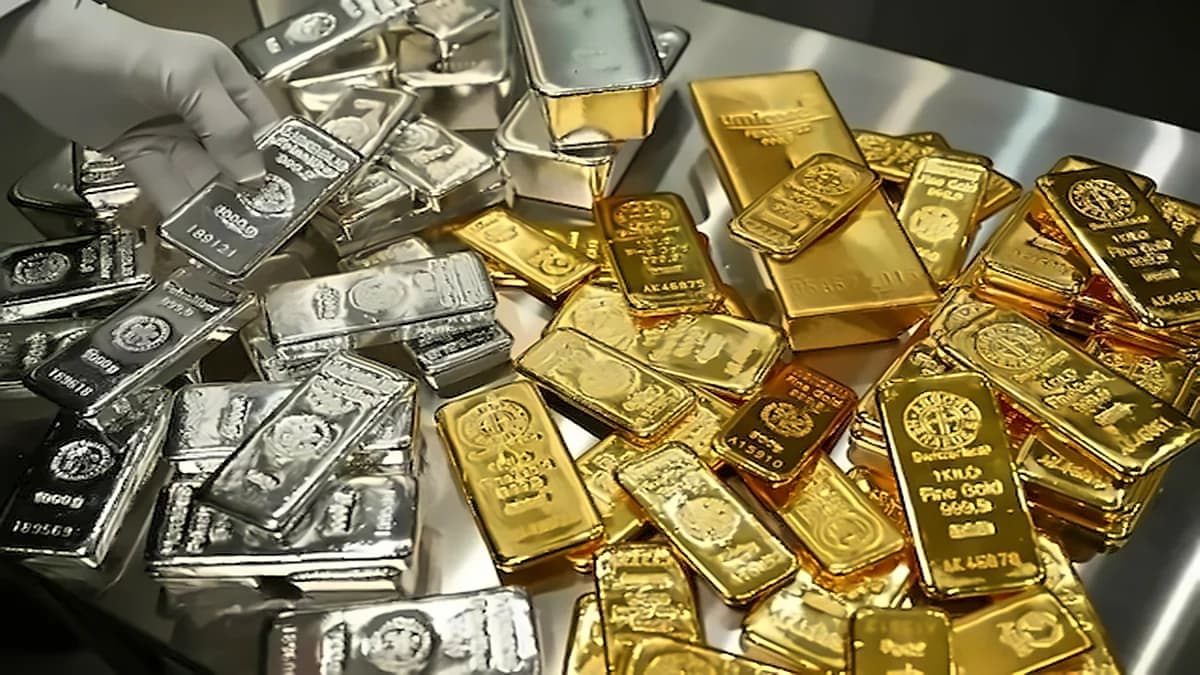
Silver's dual role as both a precious and industrial metal has been a key factor in its outperformance. As reported by The Financial Express, silver benefits from high industrial consumption in sectors including solar energy, electric vehicles, electronics, semiconductors, and power infrastructure. The metal is integral to applications ranging from solar panels and EVs to microchips, artificial intelligence, and water purification systems. According to Kaynat Chainwala, AVP – Commodity Research at Kotak Securities, "Its dual role as both a monetary and industrial metal gives it direct exposure to the rally in base metals and the broader industrial cycle."
The silver market's smaller size creates unique price dynamics compared to gold. As reported by The Financial Express, the silver market has an annual turnover of approximately $30 billion, making it more volatile and susceptible to sharp price movements. The gold-silver ratio has fallen from 102 in May 2025 to 58 currently, indicating silver's relative undervaluation compared to gold. This ratio change has attracted further investor interest and supported silver's outperformance despite both metals benefiting from similar macro factors. However, it's important to note that physical precious metals involve real-world costs that make them trade above spot prices, as highlighted by recent market observations.
Market fundamentals point toward continued tightness in the silver market. According to The Financial Express, the Silver Institute forecasts global silver mine production will decline slightly in 2026, despite higher Mexican and Moroccan output. The projections indicate a silver-market deficit of over 1,400 tonnes, marking the sixth consecutive deficit. This supply-demand imbalance, combined with concerns around supply tightness and continued deficits in the physical silver market, has added to recent strength in silver prices. The deficit situation reflects the underlying strength in industrial demand and limited supply availability.
Despite strong long-term fundamentals, both metals face near-term headwinds. As reported by The Financial Express, both silver and gold experienced significant corrections in January, with silver falling 40% from its all-time high of $121. Current challenges include elevated oil prices from the Iran conflict, which are pushing US CPI and PPI inflation higher and delaying rate-cut expectations. The ongoing geopolitical tensions may impact global growth and jeopardize silver's industrial demand, while potential central bank selling of gold due to fiscal pressures could negatively affect both precious metals. However, the fundamental supply-demand imbalance continues to support long-term price outlooks.