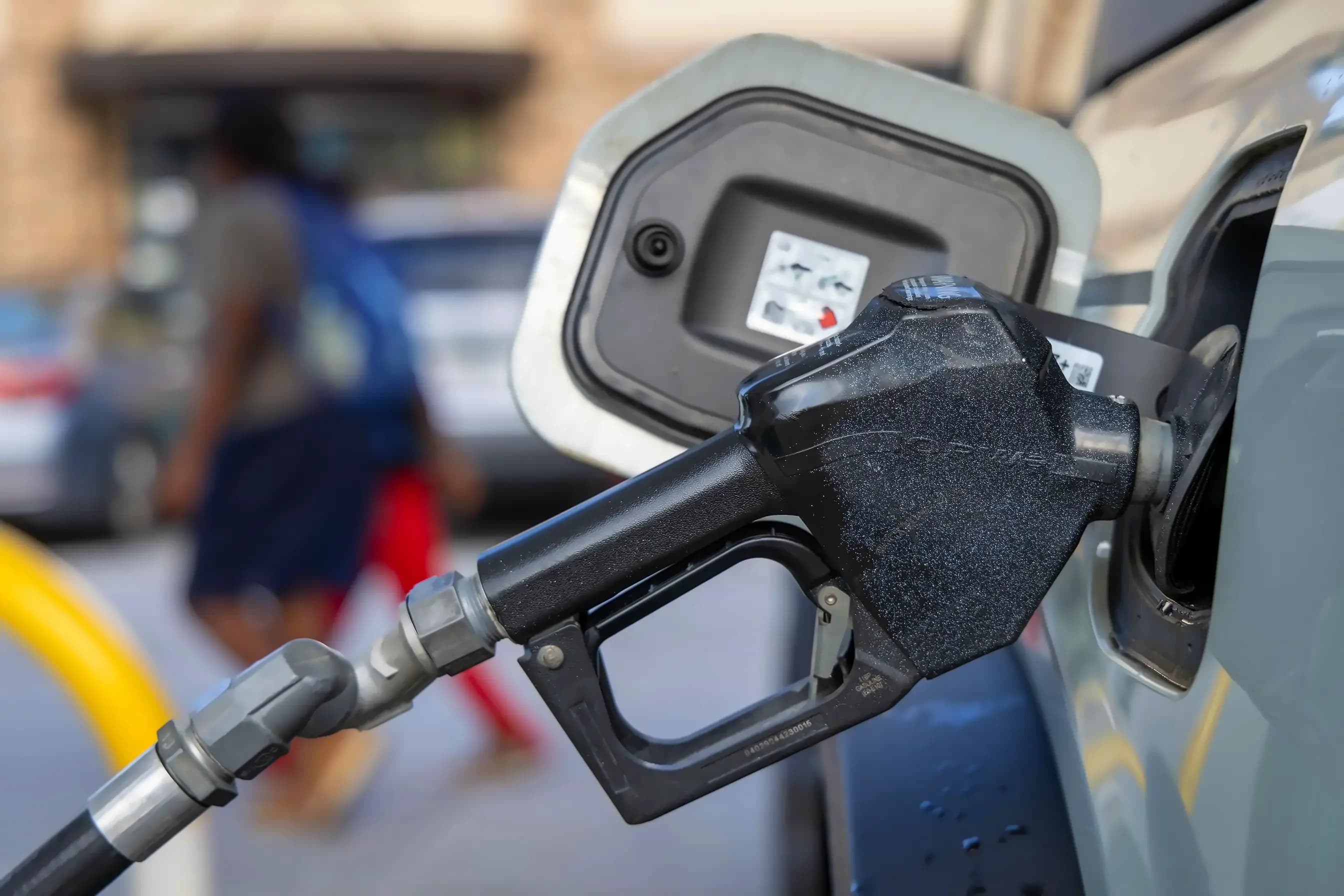
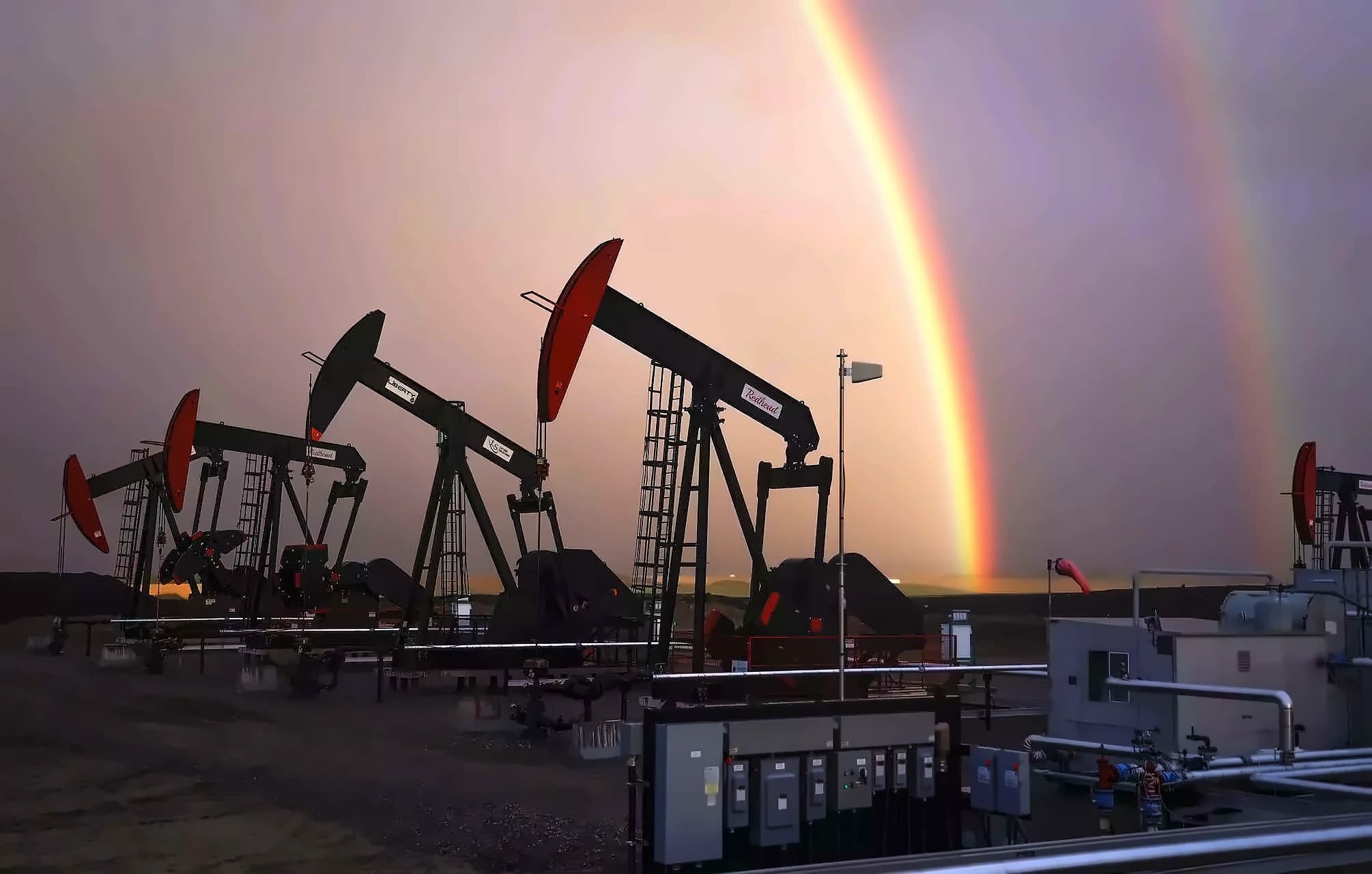
Russia nearly doubled its diesel exports in October after US President Donald Trump announced a deal with Russian President Vladimir Putin to increase fuel supplies to global markets. According to data provider Kpler, Russia exported around 271,000 barrels per day in October, compared with 135,000 barrels per day in September. However, none of the additional shipments has reached the US so far, with tankers originally headed for American buyers changing course amid opposition to the move and concerns over sanctions. The increase in exports came after Washington pressed Ukraine to pause attacks on Russian oil refineries and Trump announced the agreement on October 9.
The diesel arrangement has faced significant logistical challenges, with multiple sanctioned tankers changing their destinations. According to reports from The Financial Times, at least two tankers initially headed for the US have changed course in recent weeks. Another vessel carrying Russian diesel, the Agioi Fanendes, remains off the US East Coast awaiting a buyer, with the White House saying negotiations with the vessel's owner were continuing. The proposed imports have not yet resulted in confirmed US deliveries, with analysts questioning whether shipments would reach American ports due to regulatory and sanctions-related concerns.
A bipartisan group of US senators has urged Trump to abandon the arrangement, arguing it could provide financial support to Moscow. New Jersey Governor Mikie Sherrill has raised a separate legal challenge, arguing that the Treasury Department's October 9 licence conflicts with the Ending Importation of Russian Oil Act, passed by Congress in April 2022. That law prohibits imports of Russian energy products, including diesel. Sherrill warned port and terminal operators that accepting Russian diesel could expose them to civil and criminal penalties, stating "New Jersey will not stand by while Donald Trump supports Vladimir Putin at the expense of Americans."
Lavrov emphasized Russia's commitment to stabilizing global energy markets and ensuring energy security. According to The Financial Times, a White House official said additional Russian diesel entering global markets would help ease prices for American consumers, even if the fuel was not delivered directly to the US. "As the President has said, this is a deal for the world. This deal was made to add diesel supply to the global market — lowering prices for Americans and the world," the official stated. However, Ukraine resumed attacks on Russian refineries on October 30, following a two-week pause, which may impact future export levels.
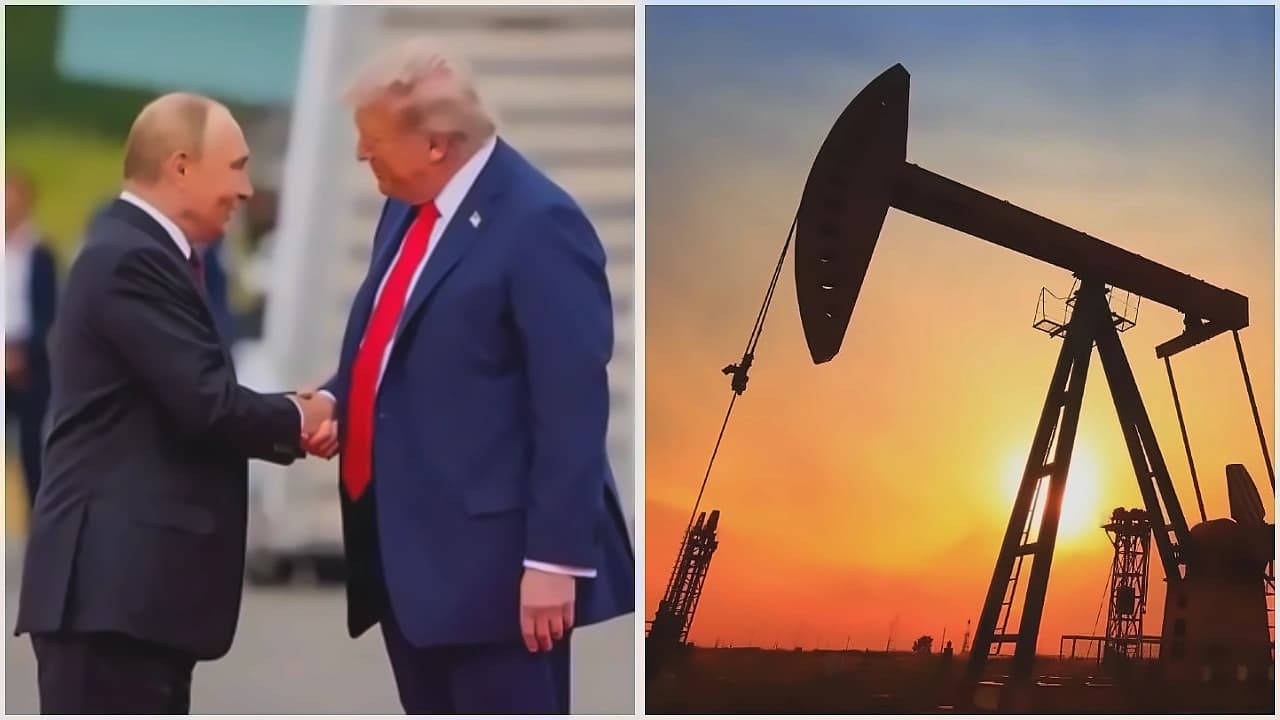
The diesel agreement came after efforts in the US Congress to increase economic pressure on Russia over its war in Ukraine. Trump issued an executive order on October 16 waiving the application of the Lindsey O. Graham Sanctioning Russia and Iran Act of 2026, citing national interests and the need to pursue a peace agreement between Russia and Ukraine. The US Treasury Department's Office of Foreign Assets Control issued General License No. 135 on October 9, temporarily authorizing transactions for six months until April 2027. However, analysts expect Russian diesel exports to be "very lacklustre" in coming months, as Russian refinery operations remain under significant pressure with limited prospects for meaningful recovery.