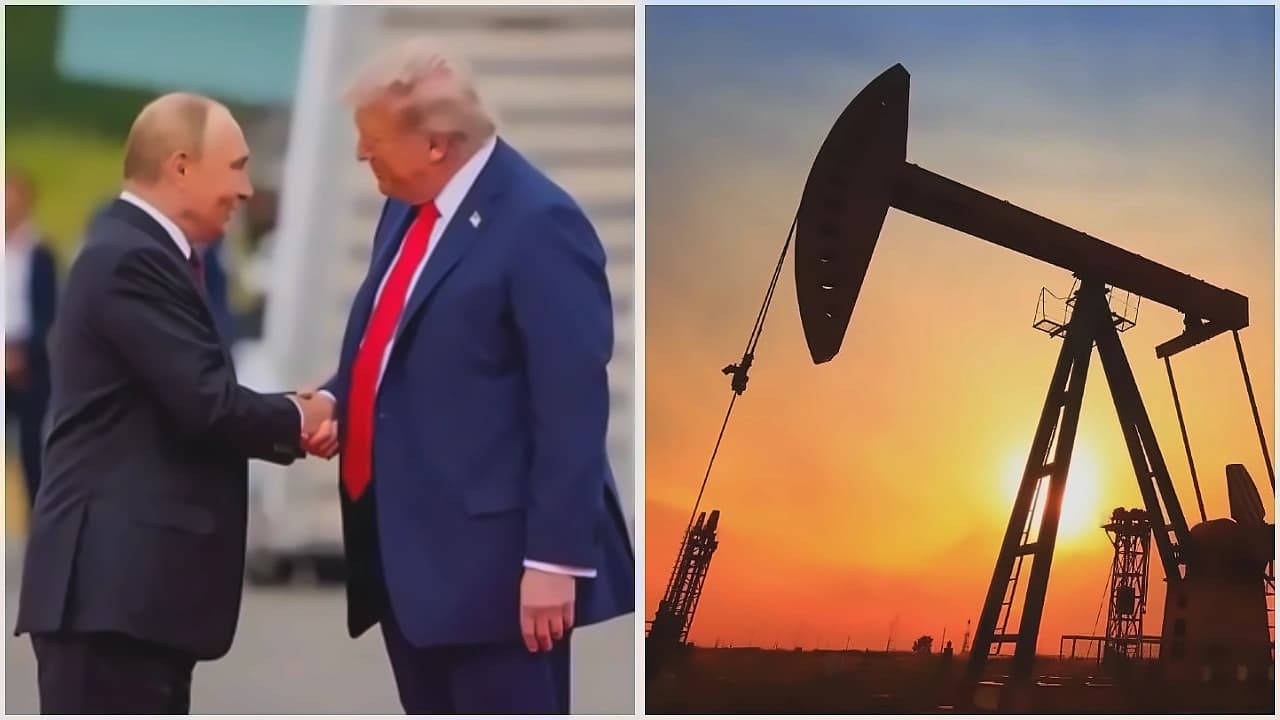
Russia plans to extend its ban on most diesel exports through January 2027, while maintaining exceptions for global markets under a Trump-Putin agreement. According to reports from Tass, Deputy Prime Minister Alexander Novak confirmed that a government order is currently being prepared to extend the ban for three months. The extension comes as Ukrainian refinery strikes continue to threaten domestic fuel supplies, prompting the original export restrictions in July. Additionally, the Russian government has imposed a three-month ban on petrochemical product exports outside the Eurasian Economic Union, covering coal and various chemical compounds including benzene, toluene, orthoxylene, paraxylene, and phenol.
Russia plans to significantly increase diesel exports next month to 2.15 million tonnes, up from the current 510,000 tonnes this month, as reported by Novak. However, attacks on the nation's refineries may lead to a reduction in export plans, though he indicated this would not be significant. The export volumes are too small to lower America's sky-high diesel prices according to analysts, despite the increase. Meanwhile, Russian diesel fuel exports to global markets are expected to reach 2.15 million tonnes in November, up from 510 tons in October, as previously reported by the Cabinet of Ministers.
Novak indicated Russia could restore monthly exports to as much as 3.5 million tonnes by year-end, provided the domestic market is sufficiently supplied. This would bring Russia's share of global seaborne diesel flows back to about 10 percent, though achieving this goal depends on the actions of Ukraine, whose attacks on refineries originally prompted the export ban. As of late October, a total of four tankers had departed Baltic ports with Russian diesel, according to Novak.
Finding US buyers has proven challenging after Democratic lawmakers vowed to investigate the Trump-Putin deal if they take control of one or both chambers of Congress after the midterm elections next week. According to vessel-tracking data compiled by Bloomberg, one of the tankers that earlier signalled Atlantic Coast for Order has changed its destination to the Bahamas, while three other tankers are still using vague Atlantic Coast or 'For Order' destinations, with none currently identifying a specific US port. The petrochemical export ban, while not affecting diesel shipments, adds another layer of complexity to Russia's export capabilities.