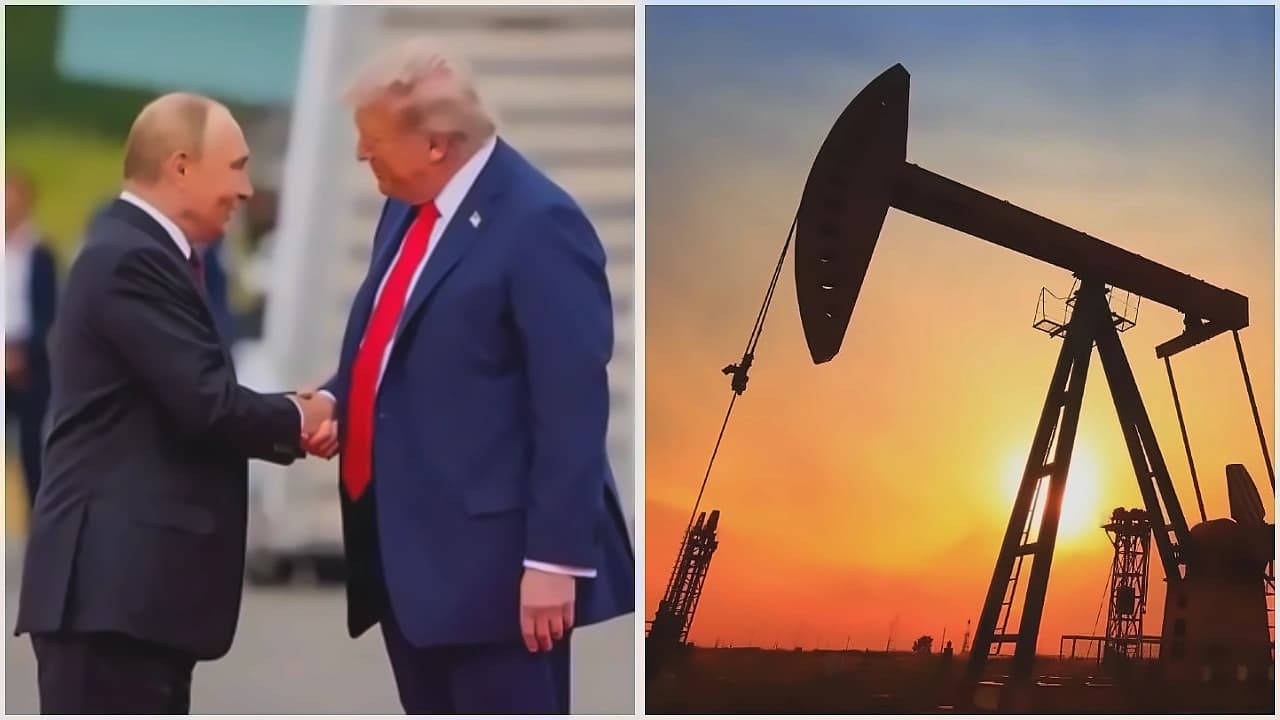
A bipartisan group of US lawmakers has issued stern warnings to major financial institutions regarding the importation of Russian diesel under President Trump's recent agreement. In letters to the heads of JPMorgan Chase, Bank of America, Citigroup, Wells Fargo Bank, Goldman Sachs and Morgan Stanley, as well as port authorities of Houston, Corpus Christi and Beaumont in Texas, and New York and New Jersey, the legislators warned that companies facilitating imports in violation of US law could face criminal and civil liability. The signatories include Senators Jeanne Shaheen, Roy Wyden, Sheldon Whitehouse, Chris Coons, Elizabeth Warren (all Democrats), and Republican Thom Tillis, along with Congressman Gregory Meeks representing New York's 5th congressional district. The lawmakers cited Section 2 of the Ending Importation of Russian Oil Act of 2022, which generally prohibits the importation of Russian-origin energy products, including diesel fuel.
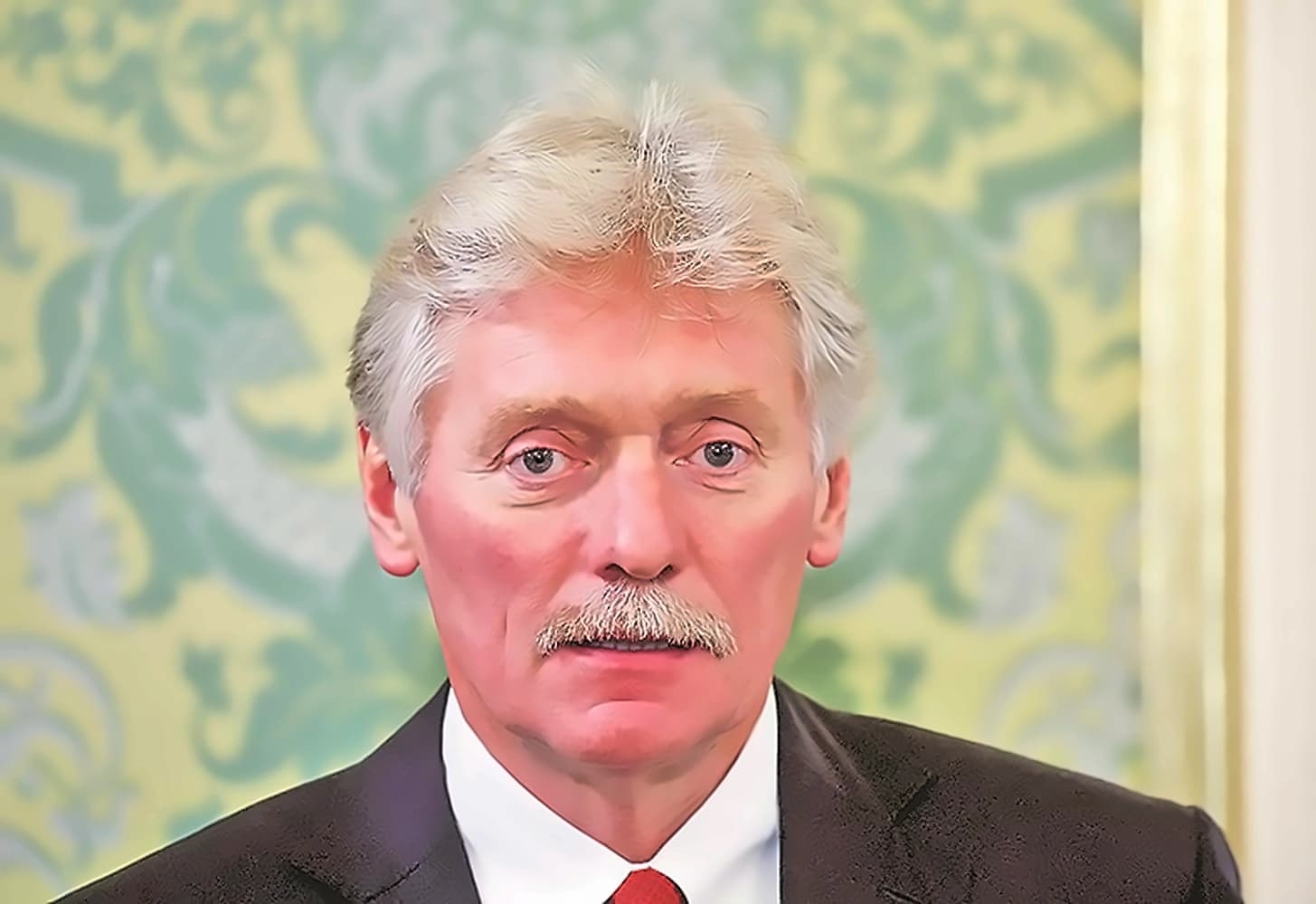
A Malta-flagged tanker carrying 298,000 barrels of Russian diesel has set sail from Russia's Primorsk port on Friday, marking the first US import of Russian petroleum products since the 2022 ban. According to NBC News and MarineTraffic tracking data, the Agioi Fanendes is headed for New York with an expected arrival on November 10, just after the midterm elections. The cargo represents the first Russian diesel shipment to the US since former President Joe Biden announced a ban on US imports of Russian oil and petroleum products in 2022. Kremlin spokesman Dmitry Peskov confirmed Friday that the first tanker is on its way to buyers, with further shipments expected to continue at a regular schedule. The lawmakers cited public reports and vessel-tracking data showing that ships carrying Russian diesel were on course to reach Beaumont and the Port of New York and New Jersey as early as the end of October.
President Trump announced the surprise deal to import Russian diesel as part of his efforts to bring down soaring diesel prices ahead of the November 3 US midterm elections. As reported by Reuters, Trump also waived parts of a new US sanctions law against Russia and threatened Europe with a US diesel export ban unless countries released more from their emergency reserves to help ease prices. The agreement involves Russia agreeing to lift a self-imposed ban on diesel exports, with Trump announcing on October 9 that Russia would immediately export 300,000 metric tonnes to the US and global markets, followed by 500,000 tonnes in November and 1 million tonnes immediately thereafter. The following day, Russia partially lifted its diesel export ban — first introduced in the summer due to domestic shortages. The shipment represents approximately 13 percent of the initial 300,000 metric tonnes commitment, with Trump claiming the deal would bring down fuel prices for US farmers, truckers and consumers.
The lawmakers have strongly opposed the diesel agreement, warning that importation of Russian energy products raises grave national security concerns, given that the proceeds would fund Russia's continued war against Ukraine. In their letters, the legislators stated that "Granting Moscow the ability to freely sell Russian diesel in global markets damages America's security interests and is a betrayal of the people of Ukraine, who are defending themselves against Russia's murderous, illegal war." They demanded that companies preserve all records relating to any proposed or actual importation of Russian-origin diesel and urged them not to facilitate any transactions involving Russian diesel unless the relevant statutory requirements are satisfied. The lawmakers emphasized that such imports are allowed only after the President certifies to Congress that Russia has ceased all military hostilities in Ukraine and that it poses no immediate threat to NATO members. The bipartisan group of 12 senators had previously urged Trump to rescind the diesel agreement, warning that it would reward Moscow while offering limited relief to Americans.
Most experts agree that the agreement will have little effect on global energy markets in the near future. According to calculations by The Guardian, the 300,000 tons scheduled to hit the US market this month cover only three-quarters of the country's daily consumption. Russian Deputy Prime Minister Alexander Novak has indicated that subsequent shipments will satisfy all the US requirements within our capacity, with deliveries to other international buyers depending on how quickly Russian refineries can restore output following Ukrainian drone strikes. Since the EU imposed a full embargo on Russian oil products in February 2023, Russia has exported diesel mainly to Brazil and Turkey, as well as to African countries. Shipping data from LSEG and Kpler published this week showed Russian diesel cargoes resuming voyages to their traditional destinations after Moscow lifted its own ban, with at least two tankers signalling trips to Turkey and Brazil.