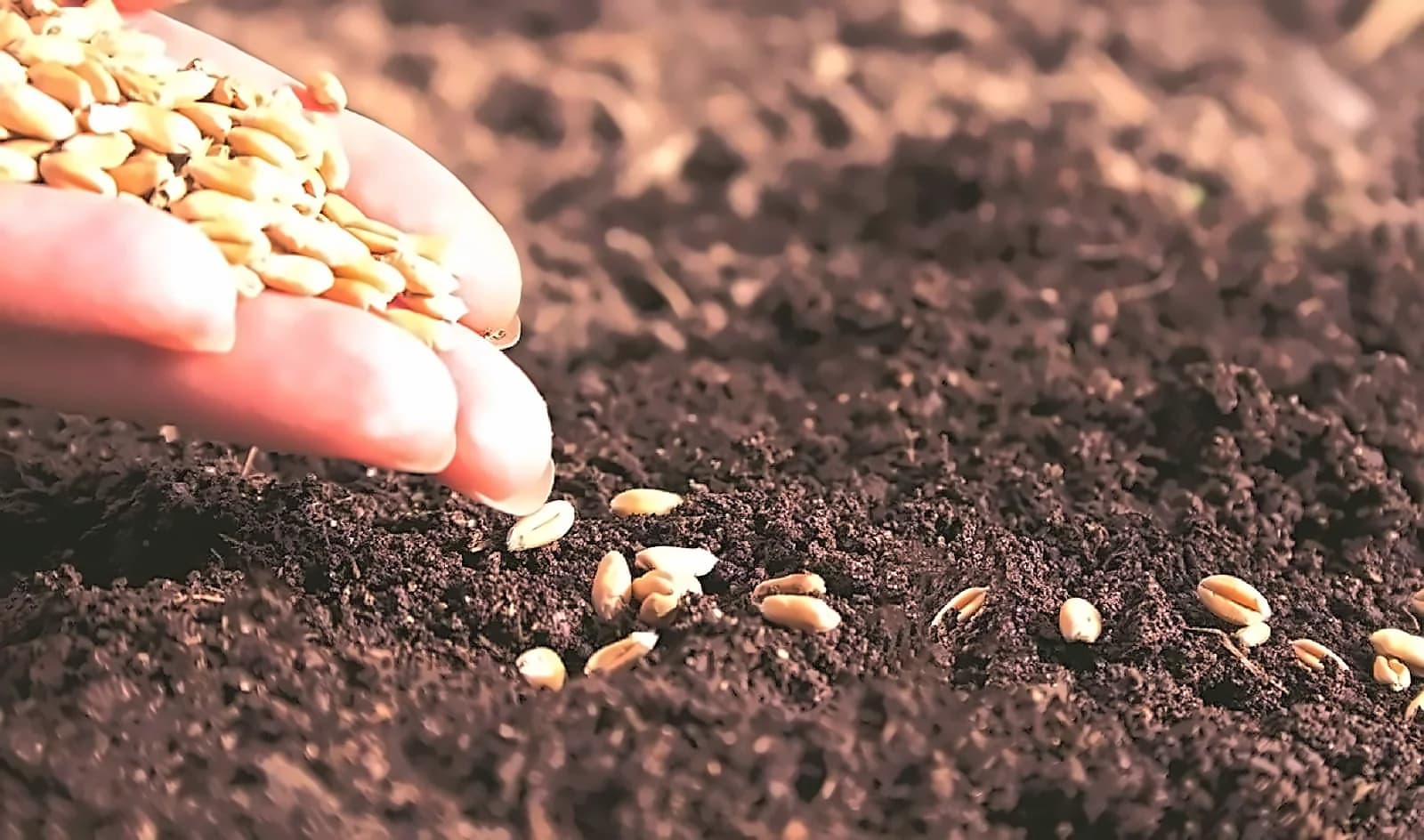
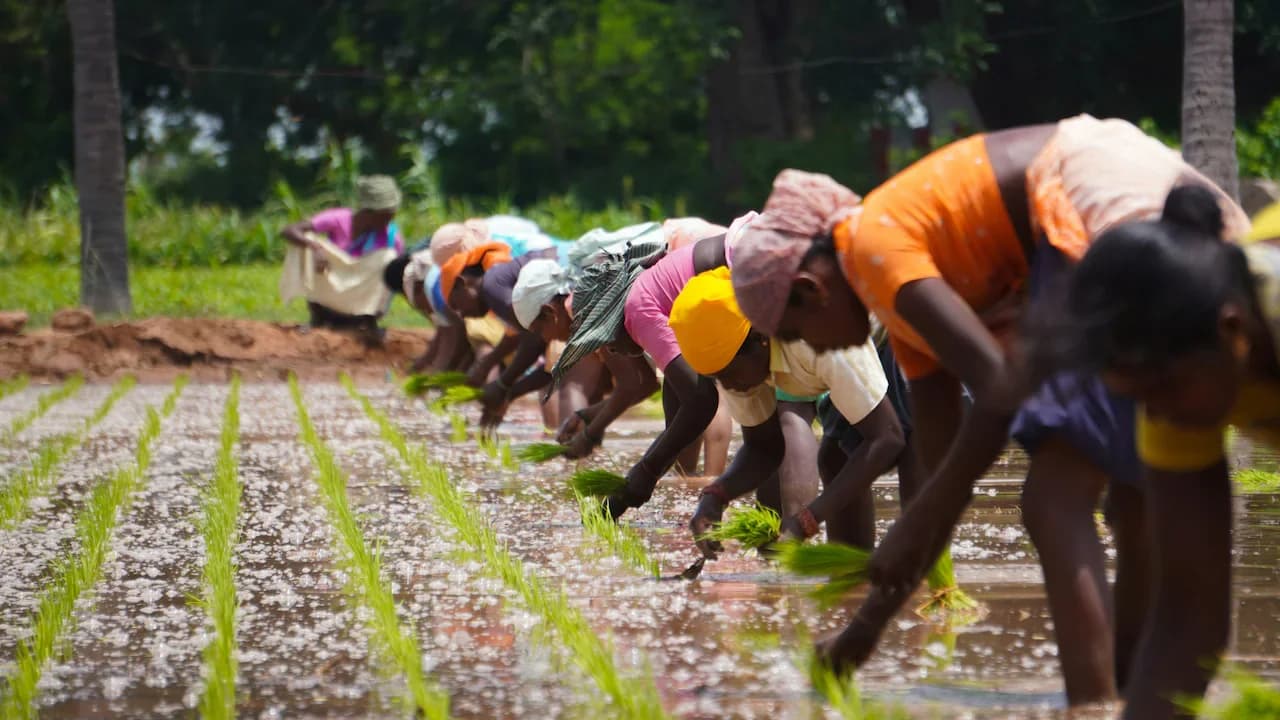
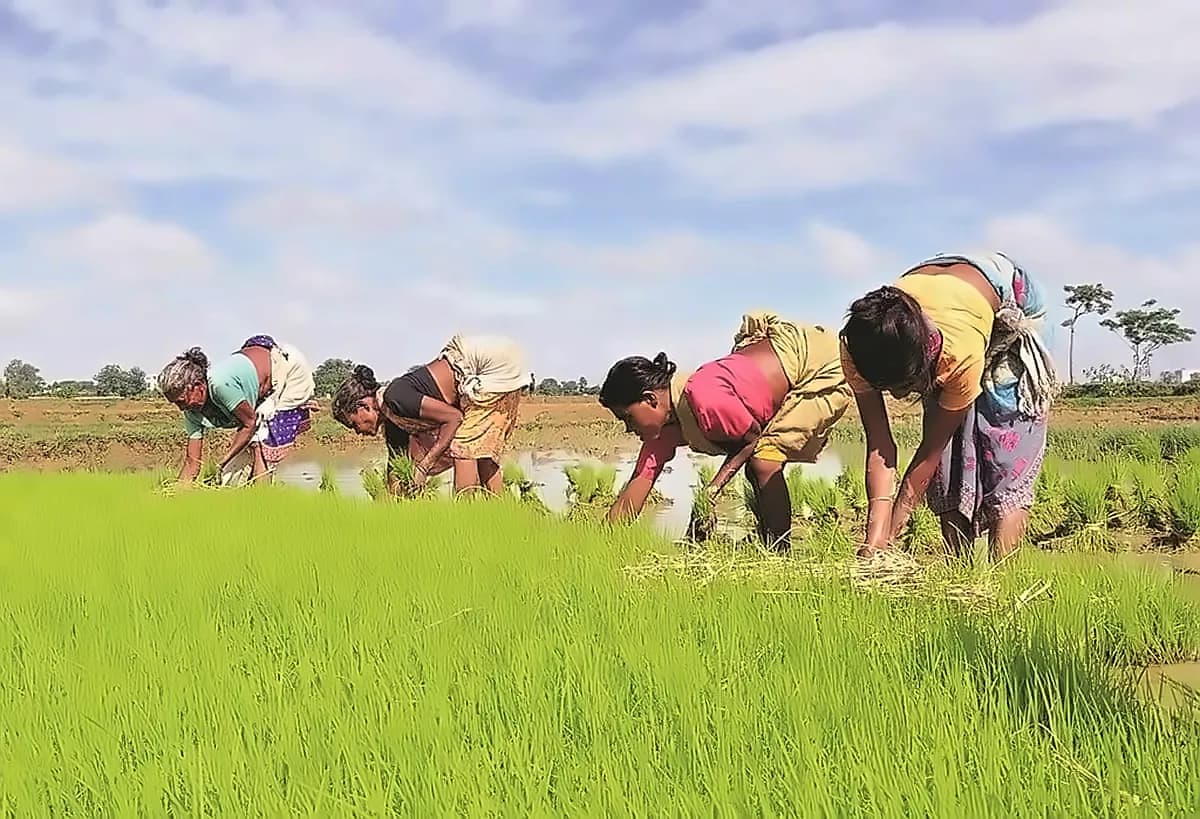
India's rabi crop sowing has experienced a dramatic decline, with coverage dropping 46% to 37.56 lakh hectares as of October 30 compared to 69.02 lakh hectares in the previous year, according to the latest data from the Union Agriculture Ministry. The crisis has affected all major rabi crops, with mustard coverage down 47% to 20.50 lakh hectares from 38.07 lakh hectares, pulses coverage falling 52% to 9.45 lakh hectares from 19.56 lakh hectares, and gram acreage declining 59% to 5.90 lakh hectares from 14.35 lakh hectares. As reported by Business Standard, the main sowing window for wheat begins in the first week of November and continues for about two months, but current sowing has been severely impacted by adverse weather conditions. Wheat, the principal rabi crop, was sown over just 19,000 hectare, against 3.34 lakh hectare last year, a shortfall attributed to insufficient soil moisture.
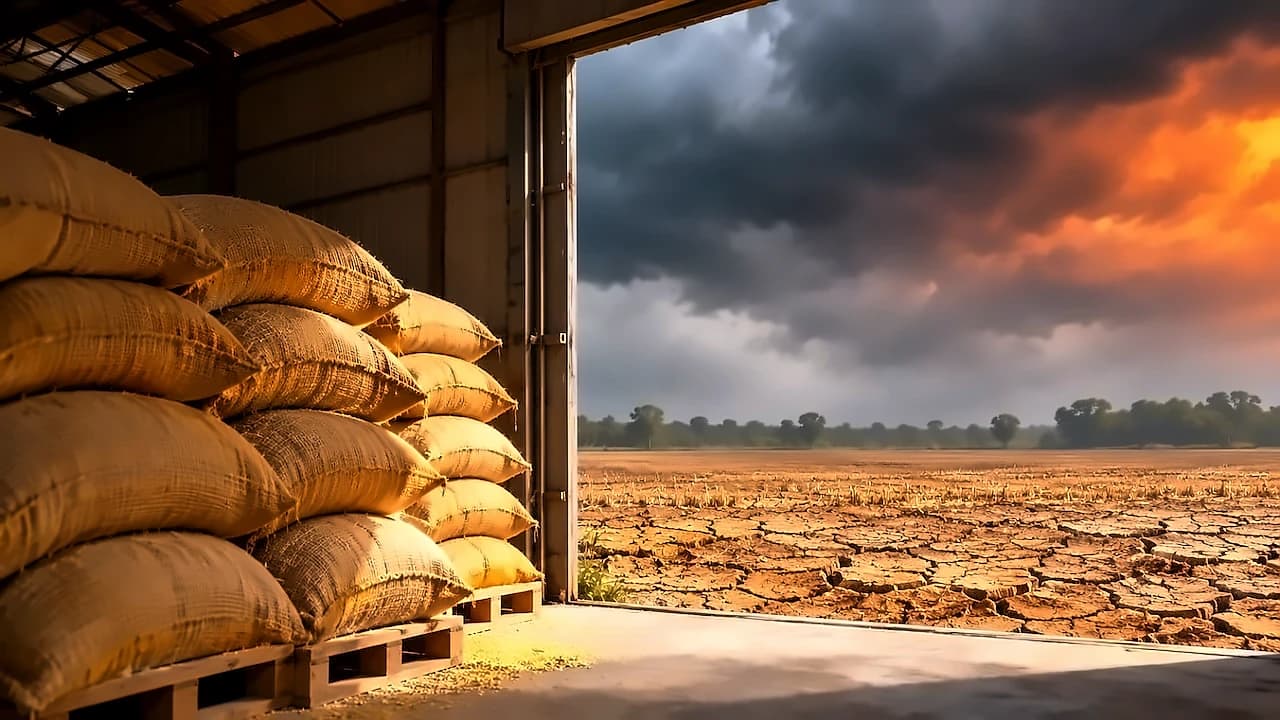
Farmers across Rajasthan and India are struggling to begin sowing Rabi or winter crops due to lack of rainfall during the Monsoon season and persistently high daytime temperatures. According to agriculture experts, low soil moisture and intense heat have prevented farmers from taking up sowing, with only those having access to irrigation facilities able to proceed. As reported by Business Standard, crops sown under the prevailing conditions could wither soon after germination due to inadequate soil moisture and high temperatures, forcing farmers to wait for temperatures to fall and some winter rainfall before beginning sowing. The sowing area during the week ending October 30 was 19.54 lakh hectares as against 40.76 lakh hectares year-ago, down by 52%, but officials indicate that as the temperature has started cooling, the sowing is expected to pick up. The delay was mainly due to the 13 per cent deficient June-September monsoon, which reduced residual soil moisture before sowing began, with lower irrigation availability another key factor as reservoir and canal water levels are below normal in key wheat-growing states.
The state has made some adjustments to its crop targets for the current season. The target area for gram cultivation has been increased to 21.50 lakh hectares this season, against 20.41 lakh hectares sown in the previous season. Similarly, the target for barley, a coarse grain, has also been raised to 4 lakh hectares from 2.80 lakh hectares sown last year. For mustard, the sowing target has been set at 37.50 lakh hectares, marginally lower than the 37.62 lakh hectares covered last season. According to Business Standard, farmers with access to irrigation facilities have continued sowing mustard despite the adverse weather conditions, with 14.41 per cent of the targeted area having been sown by the last week of October. However, the latest data shows mustard coverage has declined to 20.50 lakh hectares from 38.07 lakh hectares year-ago.
Rajasthan recorded a rainfall deficit of over 20 per cent during the Monsoon season, the highest in 16 years, according to the state Disaster Management Department. As reported by Business Standard, Pali and Jaisalmer recorded the highest rainfall deficits, at 58 per cent and 54 per cent below normal, respectively. Jalore recorded a deficit of 50 per cent, followed by Banswara at 39 per cent and Sirohi at 36 per cent. This shortfall has triggered drought-like conditions in several parts of the state, creating the challenging conditions that are preventing widespread Rabi crop sowing. The national data confirms that India recorded a rainfall deficit of over 20% during the Monsoon season, contributing to the widespread sowing delays across the country.
Union Agriculture Minister Shivraj Singh Chouhan reviewed the progress of rabi crop sowing and kharif harvesting at an internal meeting on Monday. As reported by Business Standard, Chouhan directed officials to expedite rabi sowing immediately after the kharif harvest, making optimal use of the available residual moisture. He said farmers in areas with limited irrigation water should be encouraged to opt for crops that require less water and have lower input costs, such as chana (chickpea), mustard, masoor (lentil) and millets. Chouhan also asked that climate-resilient and heat-tolerant seeds developed by agricultural scientists be made available to farmers, in view of fluctuations in temperature. The government noted that there were adequate stocks of urea, DAP, MOP and NPK, along with certified seeds for the rabi season and that supply chains were being managed in coordination with states down to the district level. The ministry added that an analysis of mandi trends showed that prices of major crops, including paddy, wheat, maize, gram, lentil, arhar (pigeon pea), soybean and mustard, were ruling significantly above the Minimum Support Price (MSP), enabling farmers to get better returns.