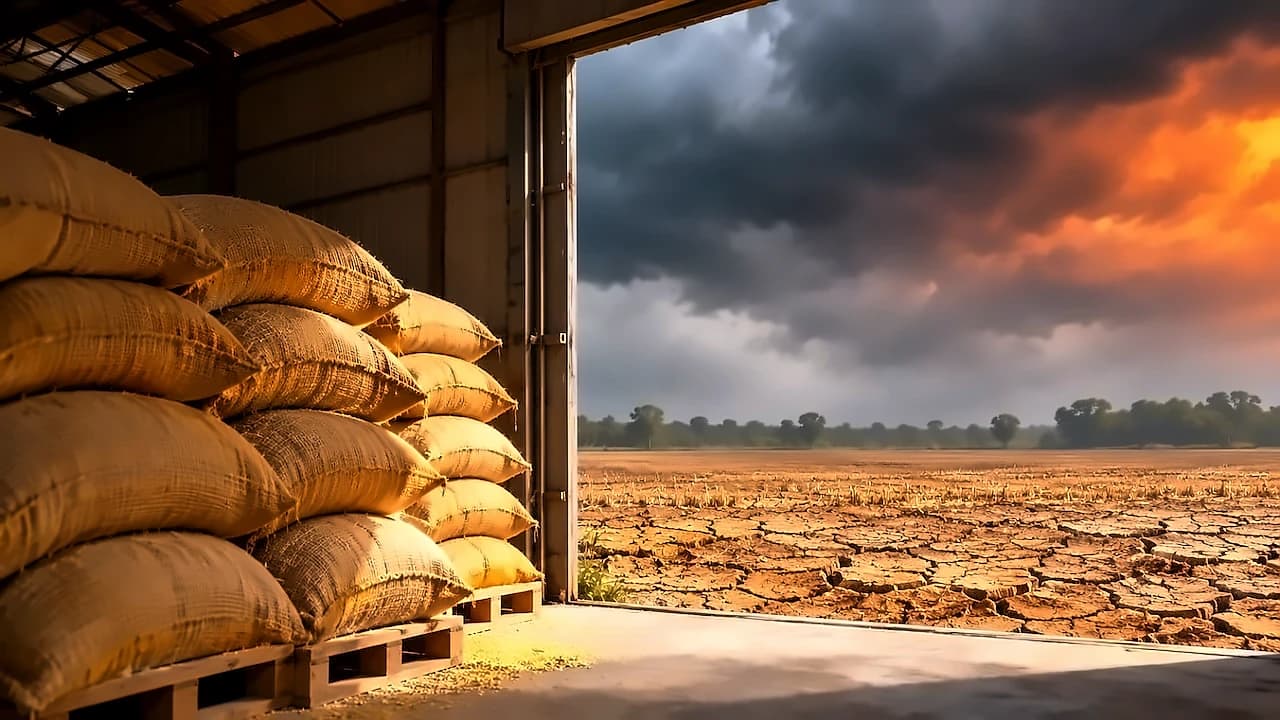
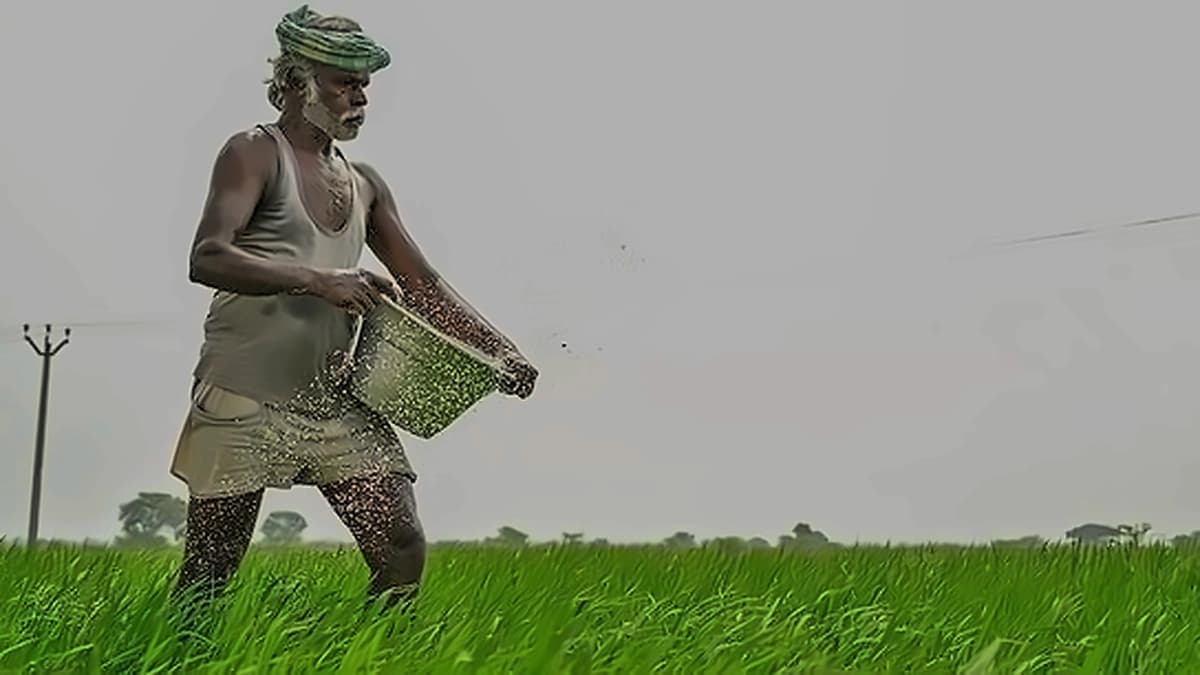
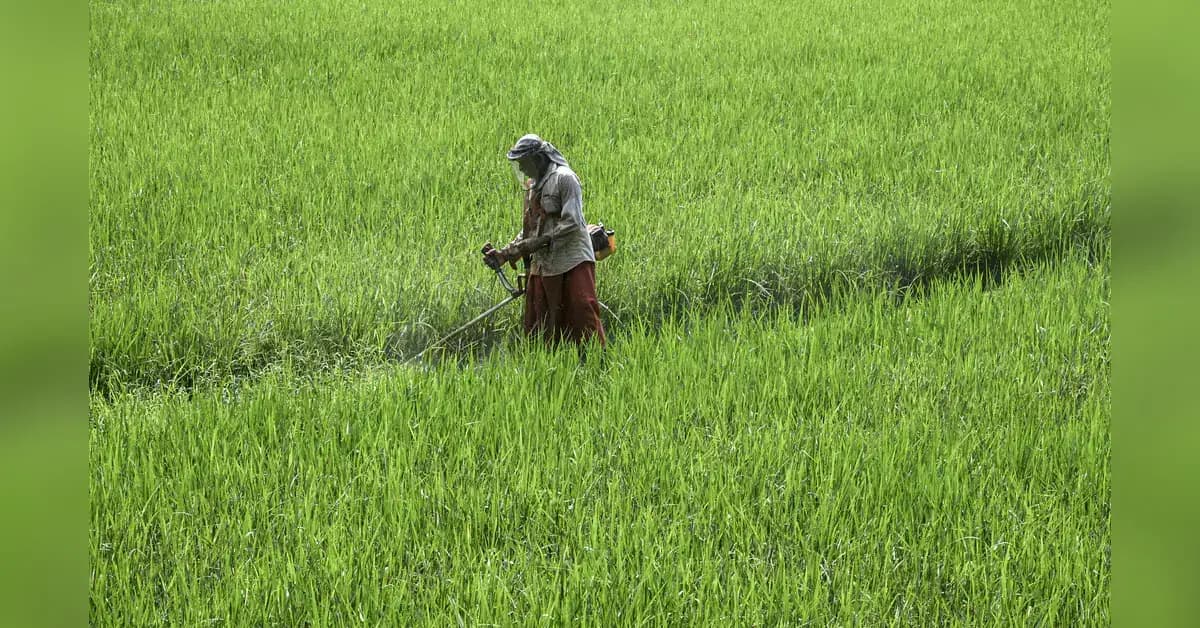
Rajasthan's kharif crop output is expected to decline due to deficient monsoon rains, according to a senior official from the Agriculture department. As reported by Business Standard, production estimates for the kharif 2026 season indicate a decline in key crops including bajra (pearl millet), moong (green gram) and guar (cluster bean). Conversely, groundnut production among oilseeds may fare slightly better than in the previous year. The official noted that final figures were yet to be confirmed as crop arrivals at mandis were still underway. With El Niño expected to persist until February 2027, winter rainfall is also likely to be deficient, posing further risks to wheat production and the forthcoming rabi season. Recent data from Dun & Bradstreet confirms these concerns, with total kharif sowing down 1.1% year-on-year as of October 5, while foodgrain acreage declined 1.6%. The monsoon deficit compounds directly into the rabi season, which begins sowing in October–November across the Deccan plateau, with rabi crops (wheat, jowar, bajra) contributing 40–45% of India's green fodder supply through April and May.
According to the department's estimates reported by Business Standard, bajra was sown across 3.958 million hectares in the state this year, with production projected at 4.939 million tonnes. In contrast, the previous year saw sowing across 4.352 million hectares, with production of 5.373 million tonnes. This represents a significant decline in both sowing area and production capacity for the state's primary millet crop. The deficient monsoon has affected kharif crop production across multiple states, with Maharashtra, Karnataka, Madhya Pradesh and Rajasthan - among India's major pulse-producing states - receiving inadequate rainfall. Dun & Bradstreet warns that rice acreage was 3.5% lower year-on-year as of October 5, making it a particular concern given rice's dominance in India's foodgrain basket and public distribution system.
As reported by Business Standard, moong was sown across 2.382 million hectares in 2026, with production estimated at 1.44 million tonnes. In the previous year, moong was sown across 2.363 million hectares, yielding 1.379 million tonnes. Groundnut sowing covered 1.185 million hectares in the state this year, with production estimated at 2.821 million tonnes. In contrast, the crop was sown across 1.048 million hectares last year, yielding 2.123 million tonnes. Regarding guar, sowing covered 2.31 million hectares this year, with production estimated at 1.785 million tonnes, compared to last year's sowing across 2.982 million hectares, resulting in production of 1.974 million tonnes. Dun & Bradstreet notes that maize acreage was 2.9% lower year-on-year as of October 5, with the crop having wider economic exposure as it feeds poultry, livestock and aquaculture, and is used in starch, processed foods, alcohol and ethanol.
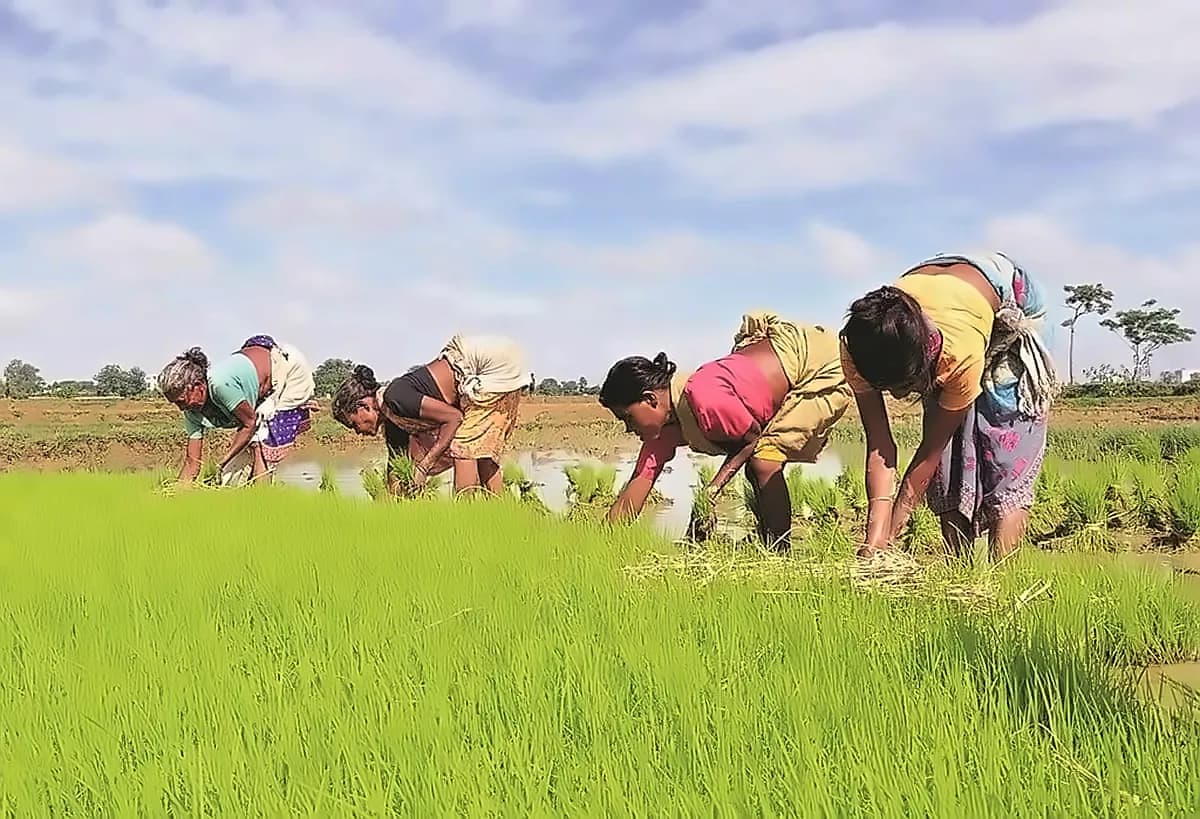
According to Business Standard, Ramotar Khandelwal, a guar trader from Jaipur, said the monsoon had disappointed farmers this year, with half of Rajasthan facing a severe rainfall deficit that prevented full-scale sowing. Consequently, production of almost all crops was likely to decline. India's 2026 southwest monsoon closed 12.6% below normal — the worst performance since 2015, with the east and northeast corridor recording a 25.6% shortfall, while the south peninsula fell 24.3% below normal. The central and western zones that feed Maharashtra's fodder market came in 20–38% short depending on the district. The southwest monsoon delivered 13% less rainfall than normal, with rainfall being 40-60% below normal in several parts of the country. Maharashtra has declared drought in 265 talukas, while Karnataka has classified 226 talukas as drought-affected, adding to the pressure on state governments to provide relief to farmers facing crop losses and falling incomes.
As reported by Business Standard, Agriculture and allied sectors contribute around 27% to the state's gross domestic product (GDP). The state government plans to increase this contribution by introducing new agriculture-related schemes, including initiatives involving artificial intelligence (AI). The financial year 2026-27 is shaping up to be an unusually challenging one for Indian agriculture, with agricultural and allied sector growth slowing to 3.6% in the first quarter of 2026-27, compared with 4.4% in the corresponding quarter of 2025-26. A contraction in the GDP of agricultural and allied sector over the full year appears increasingly likely, as the Reserve Bank of India has raised its growth forecast for the current financial year from 6.7% to 7.1%. Dun & Bradstreet warns that businesses exposed to maize, pulses or region-specific supply chains cannot rely on the same protection as strong rice inventories and adequate wheat reserves, and may face procurement pressures well before food inflation becomes evident in official data. Rajasthan and Maharashtra account for a significant share of cereal-related businesses, with Maharashtra alone representing 21% of businesses engaged in cereal-, grain- and seed-based feed manufacturing.