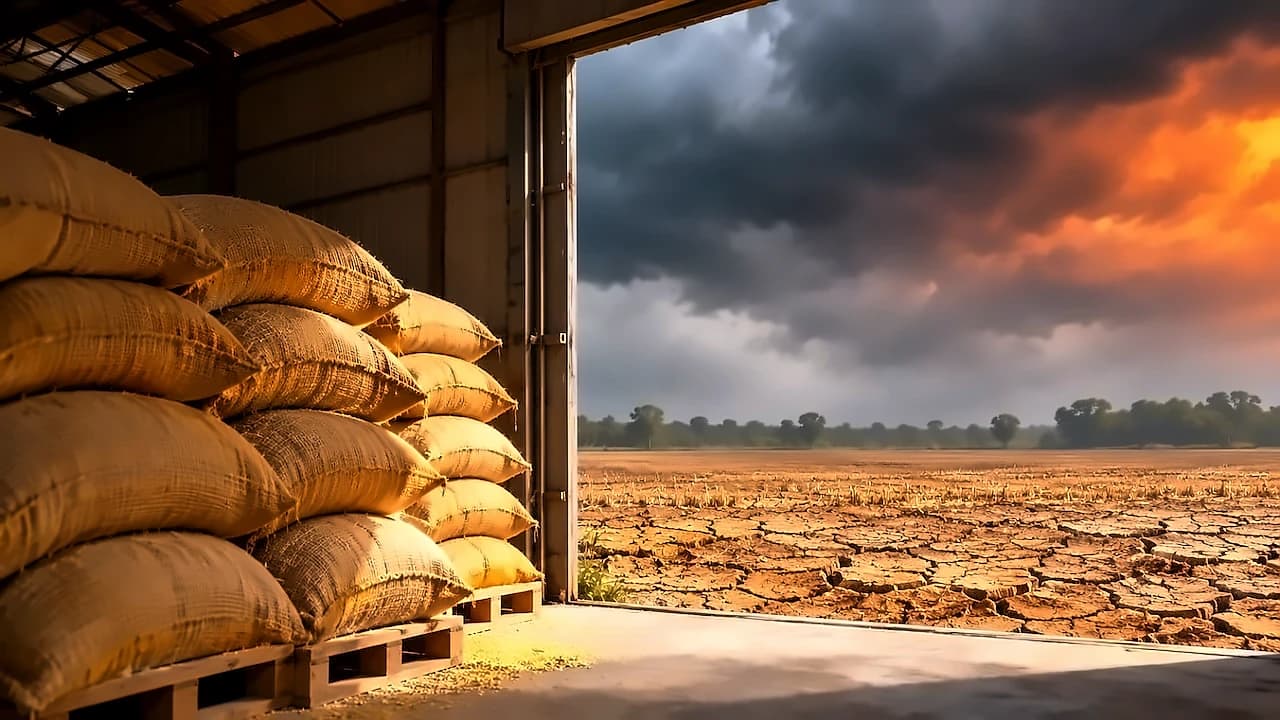
India is experiencing a 15% below average cumulative rainfall as of September 18, with weekly rainfall 9% below normal according to the Kotak Monsoon Tracker. As reported by NDTV Profit, 18 of the 36 meteorological subdivisions have recorded deficient rainfall, with southern, eastern and northeastern regions continuing to face significant shortages. The Indian Ocean Dipole (IOD) turned negative in August while El Nino conditions have strengthened, creating additional agricultural challenges. According to Gaura Sengupta, Chief Economist at IDFC Bank, El Nino tends to result in drier winter seasons, with moisture content having a direct impact on the harvest season.

According to Skymet Weather Services expert Mahesh Palawat, summer temperatures are expected to rise by March or February, adversely impacting rabi crops that require a prolonged winter season to form seeds and maintain yield quality. As reported by NDTV Profit, El Nino conditions typically result in drier winter seasons, affecting soil moisture content during the critical harvest period. While occasional western disturbances may bring heavy snowfall to western Himalayas, these may not be sufficient to offset the broader moisture deficit. The impact could become more severe if El Nino conditions persist into early 2027, resulting in shorter winter and higher temperatures that could affect agricultural output.
According to NDTV Profit reports, monsoon rainfall showed significant variation throughout the season. June recorded a 40% deficit on long-period average basis, followed by a 3.5% excess in July. August rainfall was 16% below LPA, while September rainfall has remained 21% below LPA as of the latest data. This pattern indicates the persistent nature of the monsoon deficit throughout the critical agricultural months.
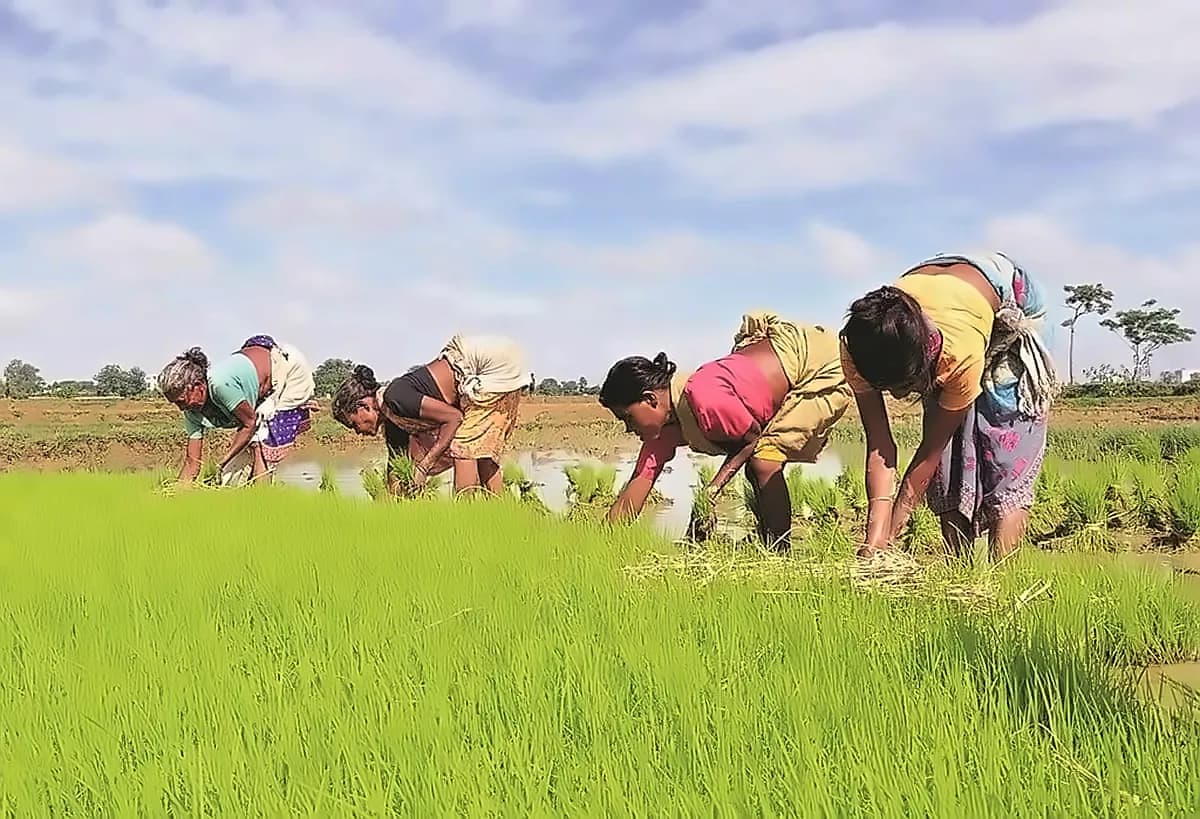
As reported by NDTV Profit, Kharif acreage slipped 1.4% from year-ago levels, with rice acreage declining 3.8% and pulses acreage rising 1.4%. Cotton and sugarcane acreage dropped 0.9% and 0.7% respectively. Reservoir levels stand 9.1% below long-term average, indicating water scarcity concerns. Retail food prices showed mixed trends, with vegetable prices rising 1.3% week-on-week and 36.1% year-on-year, while edible oil inflation remained elevated at 13.8% year-on-year. Cereal prices remained steady on weekly basis, with pulses prices showing stability compared to last year, though vegetable prices continue to face upward pressure.