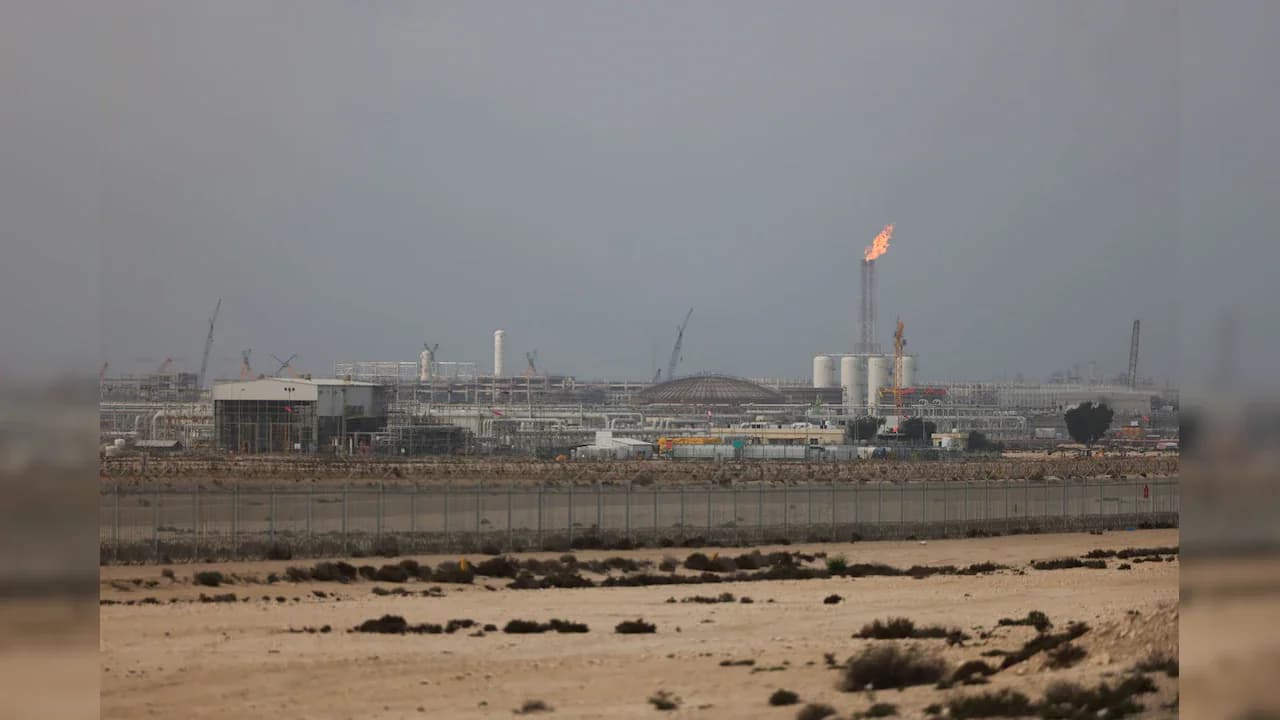
Qatar's LNG export recovery has faced a significant setback with a massive explosion at the Ras Laffan industrial area injuring 54 people and leaving 18 missing, according to The Economic Times. However, Qatar's interior ministry has now clarified that an explosion occurred on Sunday at a factory in Ras Laffan with no injuries or leak reported, as reported by Reuters. The circumstances behind the explosion were not immediately clear, though earlier reports indicated a loud boom was heard in the Qatari capital Doha. The facility's status is critical to Qatar's broader LNG export recovery strategy and the nation's goal of returning to its position as the second-biggest LNG exporter before the conflict began.
Despite the facility incident, Qatar has resumed limited LNG exports after halting production during the US-Iran conflict, with the nation loading just over 300,000 tons of LNG in the week ending June 19, according to ship data compiled by Bloomberg. This represents the most exports since early March and marks a significant recovery from the complete halt during the war. However, these export levels remain approximately one-fifth of pre-conflict production levels before the US and Israel attacked Iran at the end of February. The export recovery comes after the US and Iran signed an interim peace agreement to open the Strait of Hormuz, raising hopes for increased traffic through the waterway.
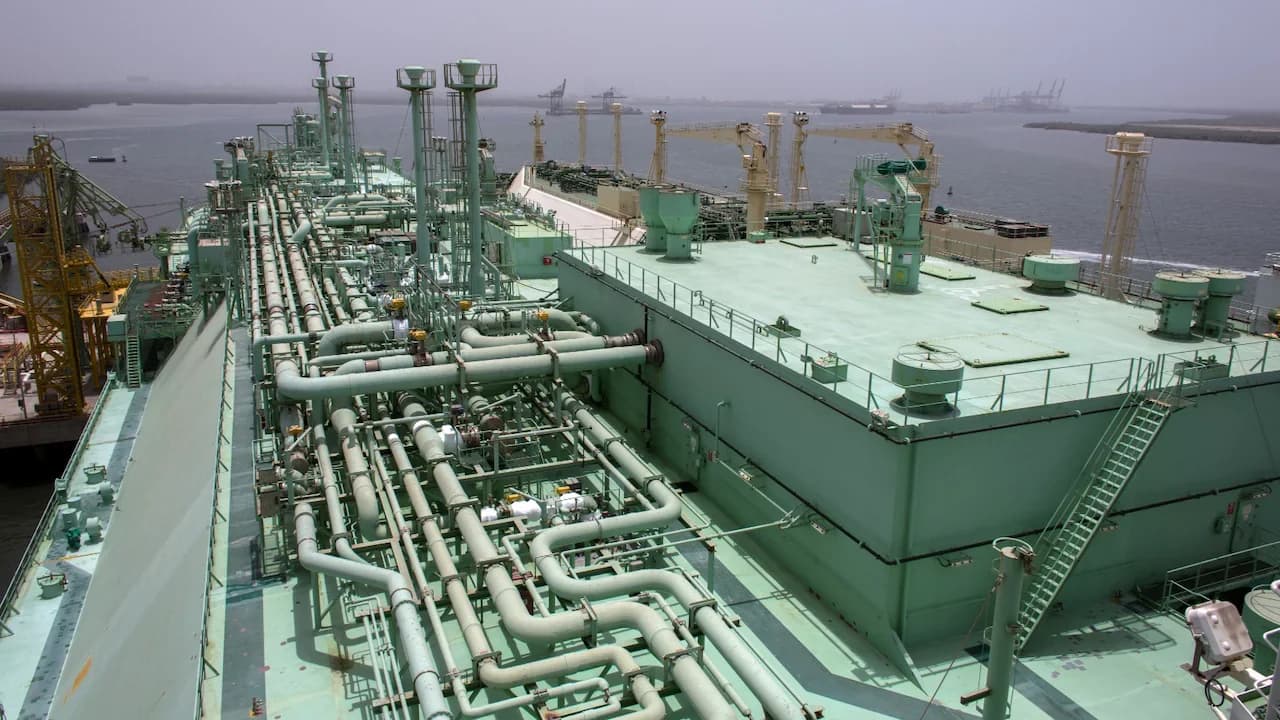
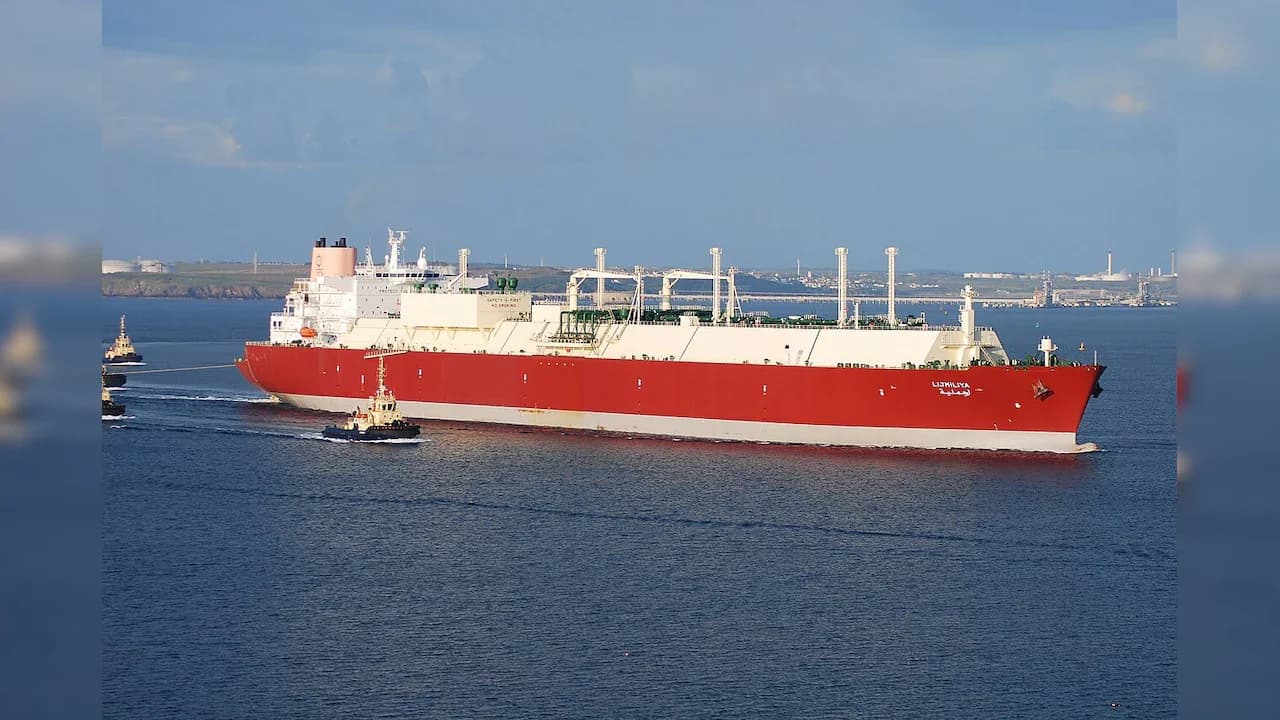
Qatar is actively bringing back its empty liquefied natural gas tankers as part of its recovery strategy. Four tankers — either owned by Qatar's shipping arm or under long-term charter with the country — are traveling through the Strait of Hormuz, according to ship-tracking data compiled by Bloomberg. If successful, this would be the largest volume of empty LNG ships to go through the waterway on a single day since the war began over three months ago. Additionally, five vessels linked to the emirate are positioned near eastern Oman, while several more are en route to the region. This represents a significant shift from the previous security concerns that prevented Qatar from bringing empty carriers into the Persian Gulf. At least three other empty Qatar-linked tankers have traversed the waterway in the past week, marking a notable increase in shipping activity.
The restart of Ras Laffan — the world's biggest LNG export plant — remains a critical factor in the global LNG market recovery. A fast resumption of Ras Laffan operations would significantly ease global LNG prices, making it a key factor in the current market recovery. The facility's restart would also help Qatar achieve its goal of returning about a fifth of global LNG supply to the market. The incident at the Barzan gas supply facility, which supplies domestic industries and power generation, remains unclear regarding its impact on LNG output. The latest explosion at the Barzan gas plant in Ras Laffan Industrial City adds another layer of complexity to Qatar's recovery efforts.
Despite the resumption efforts and recent peace developments, tensions between the US and Iran remain high, with President Donald Trump threatening strikes on Iran if Hezbollah continues attacking Israel, while Iran claimed to have closed the waterway again — although millions of barrels of oil transited over the weekend. Qatar, the second-biggest LNG exporter before the war, halted output early in the conflict after attacks on its vast liquefaction facilities and the closure of the strait, which blocked its route to international markets. Doha seeks to resume most production within two months of Hormuz safely opening. The bringing home of tankers and resumption of limited exports represent significant progress toward Qatar's goal of returning to its position as the second-biggest LNG exporter before the conflict began, though the recent facility incidents add uncertainty to this timeline.