A parliamentary standing committee has recommended that the Centre should institutionalise a strategic fertiliser supply disruption contingency framework with defined response protocols, alternate sourcing arrangements, strategic buffer stocks, coordinated logistics planning, and periodic review of gas allocation to ensure uninterrupted fertiliser production during crises. According to reports from Business Standard, the committee's observation came as India managed to ward off a grave crisis in urea, DAP and complex fertiliser supplies due to the closure of the Strait of Hormuz following the Iran-US war. India sources a significant share of its urea and LNG imports from Gulf nations, with concerns over supplies continuing even as the Strait remains not fully open.

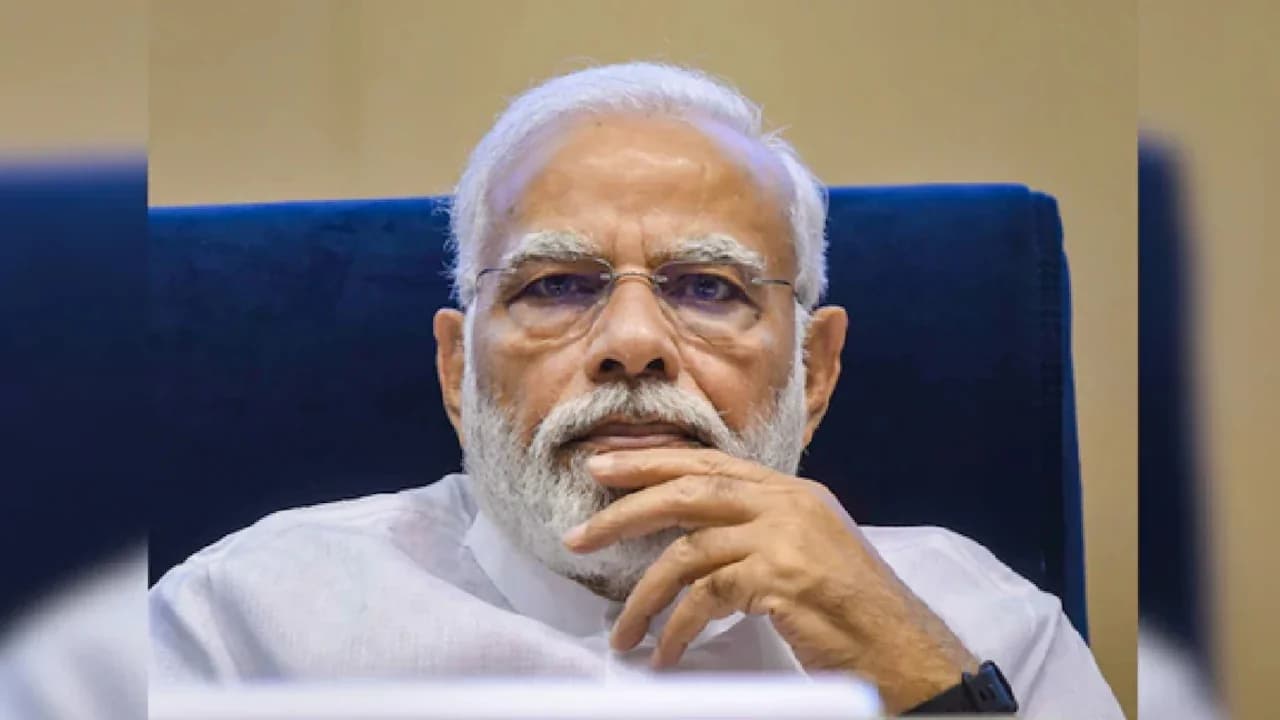
Prime Minister Narendra Modi addressed the Lok Sabha on Monday, describing the West Asia crisis as "concerning at this time" and having "very adverse impact on the global economy and on people's lives." As reported by The Times of India, PM Modi emphasised that "the whole world is urging all parties for the earliest resolution of this crisis" and highlighted India's significant stakes in the region, noting that "nearly one crore Indians live and work in the Gulf countries" and "among the commercial ships that sail in these seas, the number of Indian crew members is also very high." The Prime Minister stressed the need for political unity, stating that "India's concerns are naturally high... it is essential that a unanimous and united voice from India's Parliament on this crisis reaches the world."
PM Modi addressed concerns about energy security, stating that India imports 60 per cent of its LPG requirement and that due to uncertainties in supply, the government has worked both to ensure the availability of LPG for domestic use and to increase its production. As reported by The Times of India, the Prime Minister noted that "a large quantity of essential items such as crude oil, gas, and fertilizers come to India through the Strait of Hormuz" and since the war began, "the movement of ships... has become highly challenging." He highlighted that the government has formed an inter-ministerial group that meets daily to assess challenges in imports and exports and work on necessary solutions. The Prime Minister expressed confidence that India would successfully navigate the challenge, just as it had during the COVID-19 period.
The panel has called for a permanent joint fertiliser command and monitoring cell to facilitate real-time coordination, advance planning, buffer stock management, movement monitoring, and timely corrective action during every cropping season. According to Business Standard, this initiative is intended to address recurring fertiliser shortages and distribution disruptions despite adequate national availability, which indicate gaps in Centre-state coordination and last-mile delivery. The committee has also sought to be apprised of the action taken in the matter.
With ammonia prices retreating sharply since late June, analysts see limited upside for fertilizer stocks as the market shifts from US-Iran war-driven scarcity to surplus conditions. According to Systematix Institutional Research, the benchmark Tampa contract settled down $110 per metric tonne month-on-month with further cuts expected, while Northwest Europe spot has printed approximately $680/mt cost and freight, around 25% below peak levels. Varun Gogia from Icra noted that the fall in ammonia prices provides relief to non-urea fertilizer companies, with prices now trending approximately 20% higher than pre-West Asia crisis levels. However, the biggest pain point remains elevated sulphur costs, which continue to weigh on margins despite some relief from ammonia price corrections.