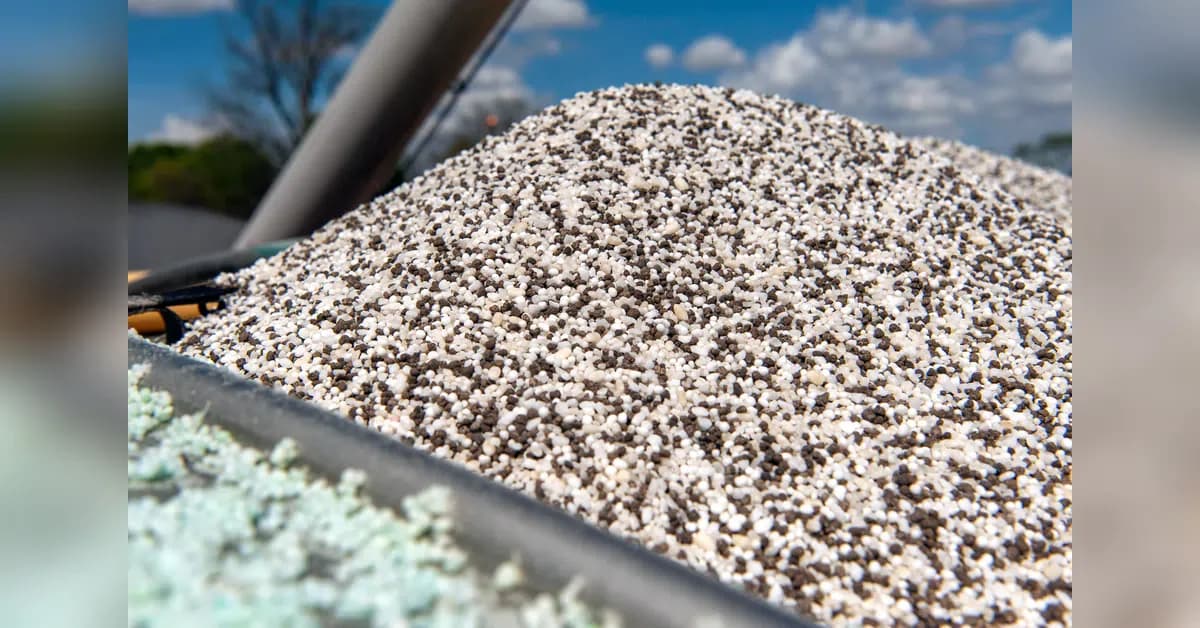
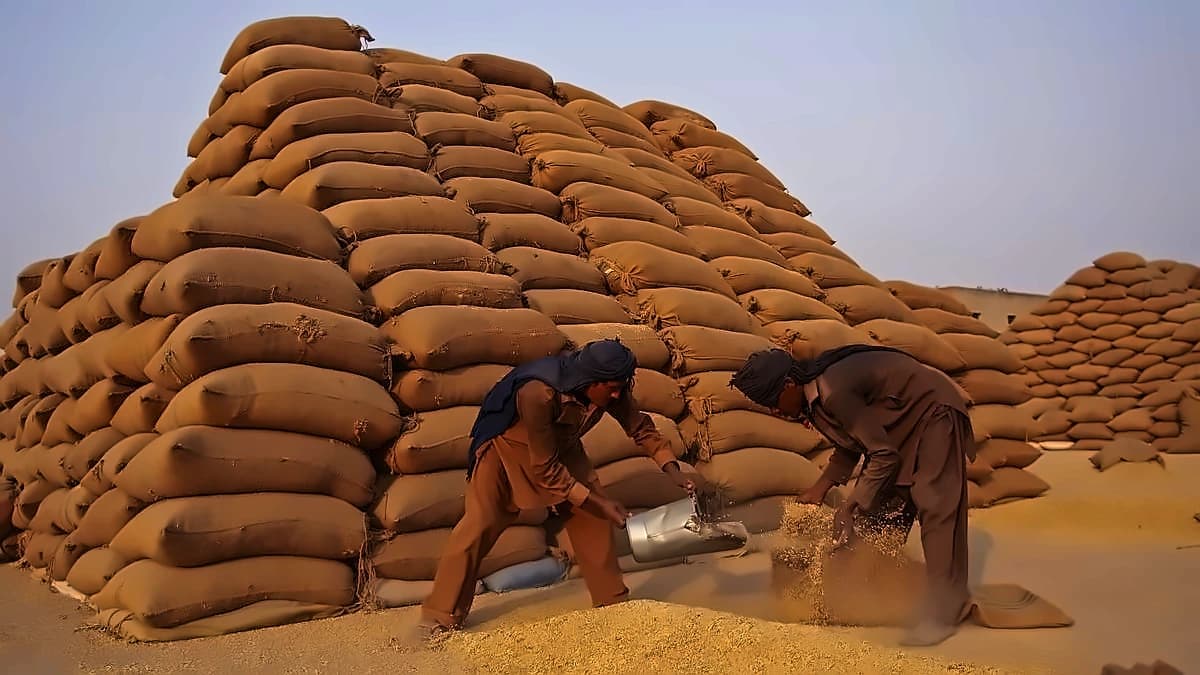
Farmers have purchased 1.14 million tonnes of organic manure during the ongoing kharif sowing season, representing a 3.5 times increase from the corresponding period last year when purchases stood at 324,000 tonnes, according to Mint. This substantial increase reflects a growing awareness among farmers about how excessive chemical fertilizers damage soil health. Years of overdependence on urea and synthetic nutrients have depleted soil organic carbon and lowered water retention, prompting cultivators to increasingly blend organic inputs with conventional fertilizers to restore their land. Government programmes promoting natural farming and balanced nutrient use have also contributed to the increase, with officials noting that awareness campaigns and easier availability of organic manure products have helped expand adoption, particularly in states focusing on sustainable agriculture practices.
The Centre has reassessed the kharif 2026 fertilizer requirement at 38.39 million tonnes, with current stock position at 19.57 million tonnes, representing more than 51% of season demand and comfortably covering well in advance of usual levels. As reported by Mint, this stock level is significantly higher than the usual level of 33%, indicating comfortable availability. The government has also secured about 2.5 million tonnes of urea, 1.5 million tonnes of diammonium phosphate (DAP), and 1 million tonnes of nitrogen, phosphorus, and potassium (NPK) fertilizers, which will arrive at Indian ports in June-July. Despite these concerns, the government maintains that the country has ample fertilizer stocks, with experts noting that anxiety over timely availability—combined with worries about soil degradation—is pushing farmers toward organic alternatives.
Government data shows northern and western states leading the organic fertilizer trend, with Punjab emerging as the top buyer with 288,000 tonnes, followed closely by Uttar Pradesh at 276,000 tonnes. Other major purchasers include Haryana (137,000 tonnes), Madhya Pradesh (127,000 tonnes), Gujarat (98,000 tonnes), and Maharashtra (84,000 tonnes), as reported by Mint. The trend may also help reduce excessive use of conventional fertilizers, especially urea, though experts caution that organic alternatives are unlikely to replace such fertilizers entirely in the short term. India currently has a domestic stock of about 2.28 million tonnes of organic fertilizer.

According to Mint, the government has imported 147.4 lakh tonnes of fertilizers and domestically manufactured additional quantities after the crisis situation. In June alone, more than 25 lakh tonnes of imported urea, DAP, and PKS have arrived at ports, with a tender of 17 lakh tonnes of urea currently under progress. The secretary noted that domestic production and import continue to meet local demand effectively. In 2025, nearly 73% of the country's total fertilizer requirement was met through domestic production, with total domestic production increasing from 433.29 lakh tonnes in 2021 to a record 524.62 lakh tonnes in 2025.
The Centre has been stepping up efforts to promote organic fertilizers through the Market Development Assistance (MDA) Scheme, providing ₹1,500 per metric tonne for fermented organic manure (FOM), liquid FOM, and phosphate-rich organic manure (PROM), as reported by Mint. As of 4 March 2026, around 120 CBG plants had been registered on the integrated fertilizer management system (iFMS) portal to facilitate organic fertilizer sales. The department of fertilizers has also directed fertilizer marketing companies to intensify farmer outreach programmes nationwide, with 44 memoranda of understanding signed for marketing FOM, LFOM and PROM. However, experts caution that the sharp rise in organic manure purchases could marginally reduce India's dependence on chemical fertilizers, but the impact on the country's ballooning fertilizer subsidy bill may remain limited in the near term, as organic fertilizer usage is still low compared to conventional fertilizers.