Fertiliser stocks witnessed strong buying interest on Tuesday, August 25, with shares surging as much as 14% following Russia's confirmation of uninterrupted fertiliser supplies to India's agricultural sector. Fertilisers and Chemicals Travancore (FACT) led the gains, surging 14% to ₹896.50, while Basant Agro Tech shares advanced 8%, Madras Fertilizers jumped 7%, Rashtriya Chemicals moved up 5% to hit ₹125, and other stocks including National Fertilizers and Rama Phosphates gained 3.5% and 3% respectively. The strong performance came as expectations of uninterrupted fertiliser availability and stronger India-Russia cooperation lifted investor sentiment. As per Live Mint, fertiliser stocks rose up to 14% on Tuesday, buoyed by optimism over fertiliser supplies after Russia assured India of uninterrupted supplies of energy and fertilisers amid disruptions caused by the US-Iran war in West Asia.
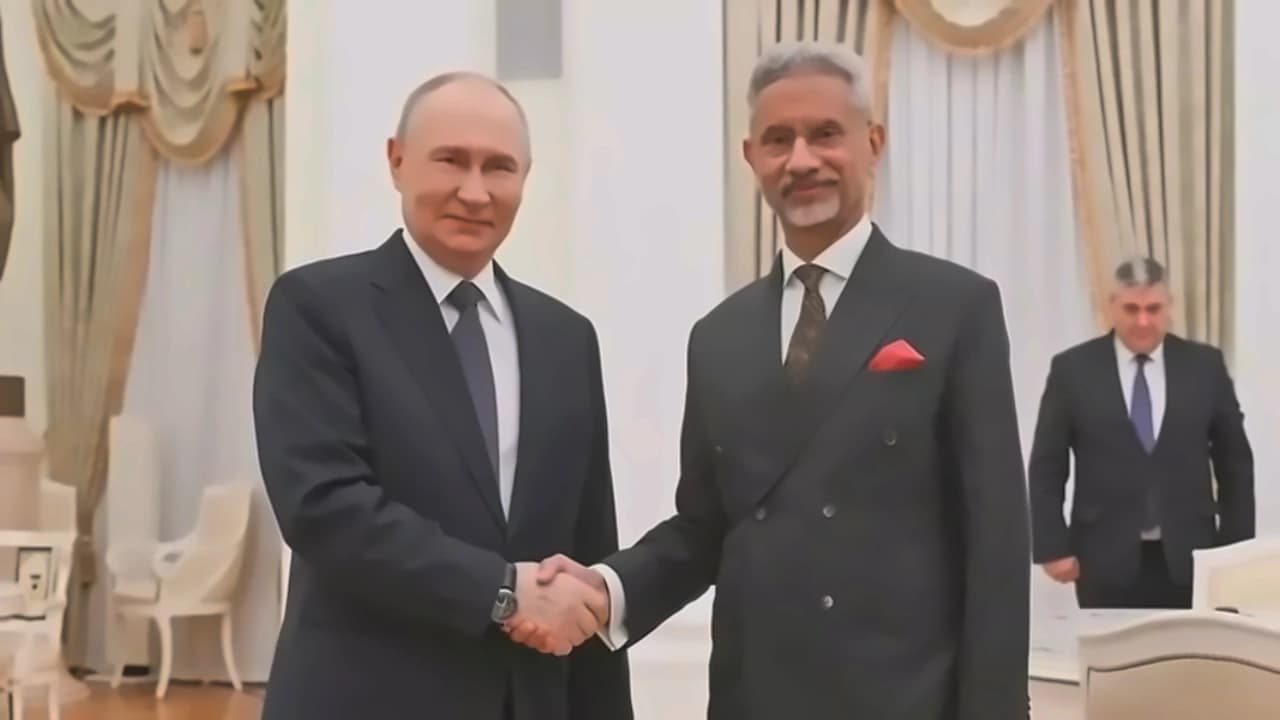
Russian President Vladimir Putin has confirmed his upcoming meeting with Prime Minister Narendra Modi during the SCO Bishkek summit on August 31-September 1. Speaking to reporters after his meeting with External Affairs Minister Subrahmanyam Jaishankar at the Kremlin, Putin said "We are doing everything we can to fully meet the needs of Indian farmers and the agricultural sector, increasing these supplies and standing ready to continue doing so." The meeting will take place on the sidelines of the SCO summit, as part of preparations for Putin's scheduled visit to India for the BRICS summit on September 12-13. Putin did not rule out meeting Modi again this year outside the framework of the SCO, with Jaishankar conveying greetings and a message from the Prime Minister to the Russian President. As per Live Mint, these meetings assume significance as India and Russia seek to deepen their economic engagement and expand cooperation across a range of areas.
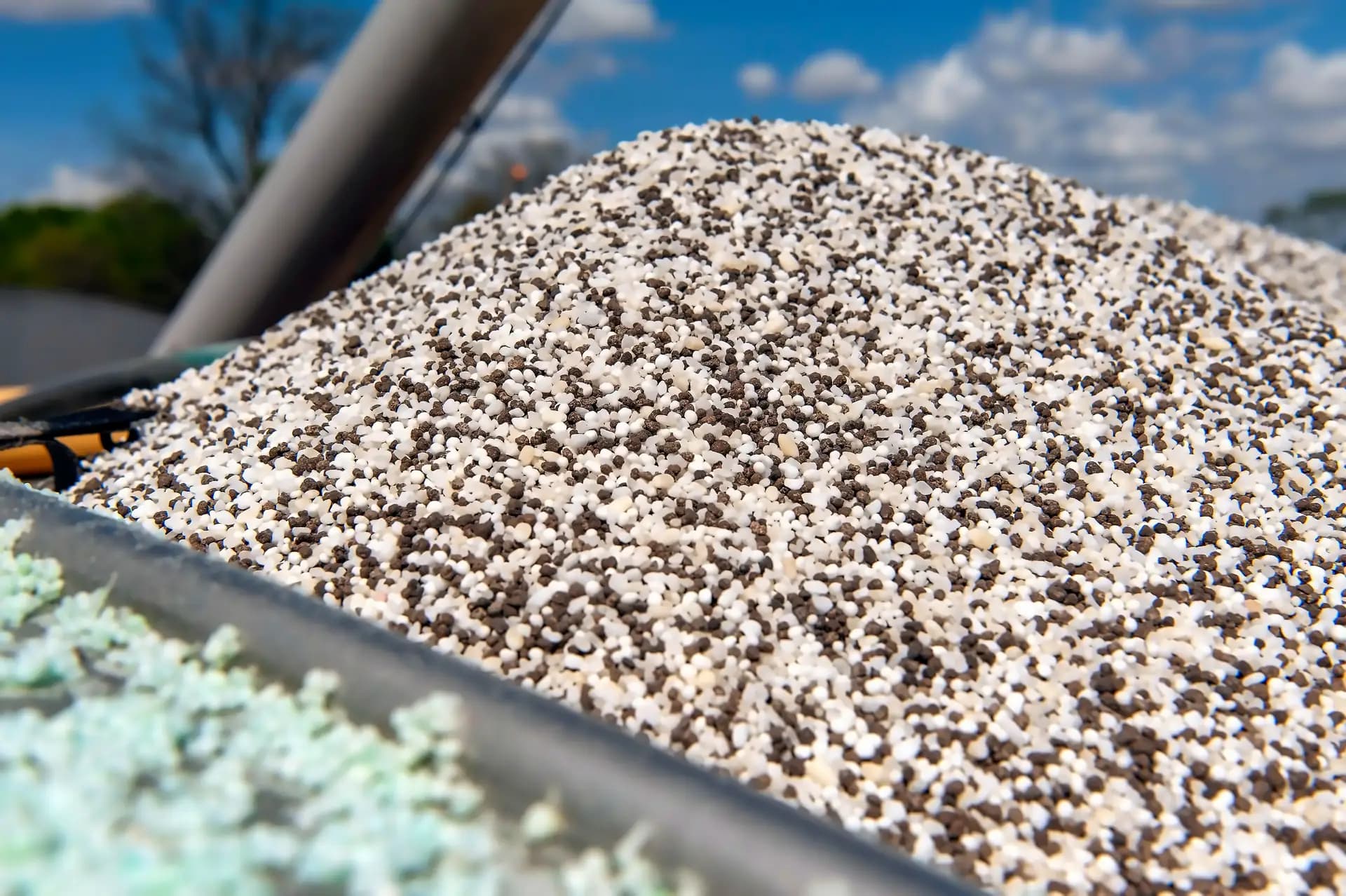
During the latest meeting at the Kremlin, Putin confirmed that Russia will increase fertiliser supplies to India, building on his earlier commitment to continue supplies. As reported by Interfax, Putin emphasized that "One of these issues – not just fuel – is the supply of mineralisers (fertilisers). We are doing everything we can to resolve the issue for Indian farmers, for agriculture; we are increasing these exports and are prepared to continue doing so." The announcement comes as India faces significant challenges in fertiliser availability, with production and imports of NP/NPK fertilisers falling sharply in the April-June quarter. According to industry officials citing data from the Fertiliser Association of India (FAI), production fell 28% YoY to 19.2 lakh tonnes from 26.64 lakh tonnes, while imports slipped 48.5% to 4.9 lakh tonnes from 9.54 lakh tonnes. This decline has been attributed to the Middle East conflict inflating prices of key raw materials, raising concerns over nutrient availability for the ongoing crop sowing season.
The government has increased fertiliser subsidy spending to ₹99,000 crore, which is being seen as an indication that overall expenditure on fertiliser subsidy is set to cross the estimate of ₹1.77 lakh crore in FY27. In April, the government approved a 10-21% hike in nutrient subsidy rates for the 2026 kharif season, taking total subsidy outlay to ₹41,534 crore. However, fertiliser manufacturers say the revision has been overtaken by subsequent increases in global input costs. The higher spending comes as India's fertiliser sector grapples with supply disruptions, with the government's increased commitment to subsidies providing some relief to manufacturers and farmers amid the challenging market conditions.
The Russian President noted that bilateral trade between the two countries increased four-fold in five years - from around $13 billion in 2021-22 to nearly $60 billion in 2025-26. Jaishankar began his two-day official visit to Moscow on Sunday and cochaired the 27th session of the India-Russia Inter-governmental Commission on trade, economic, scientific, technological and cultural cooperation (IRIGC-TEC) with Russia's First Deputy Prime Minister Denis Manturov. During his opening remarks at the IRIGC-TEC meeting, Jaishankar flagged the widening trade imbalance between the two countries, which had increased from $6.6 billion to over $50 billion. As per Live Mint, the minister said progress on market access, the removal of tariff and non-tariff barriers, strengthening payment mechanisms and deeper business-to-business engagement would be critical to addressing the imbalance and achieving the shared objective of $100 billion in bilateral trade by 2030. Russia has emerged as one of India's key suppliers of fertilisers, particularly urea, with India's fertiliser imports from Russia increasing by nearly 40% in 2025, highlighting the growing importance of Moscow in meeting the country's agricultural requirements.