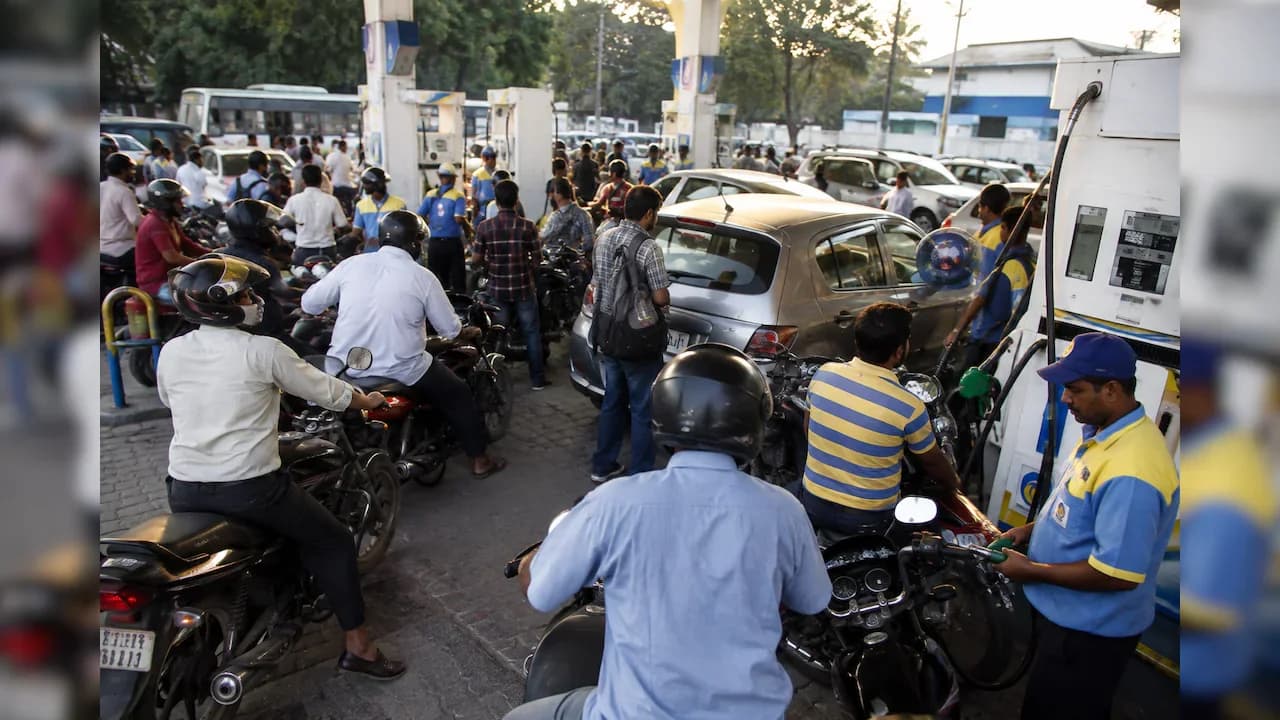
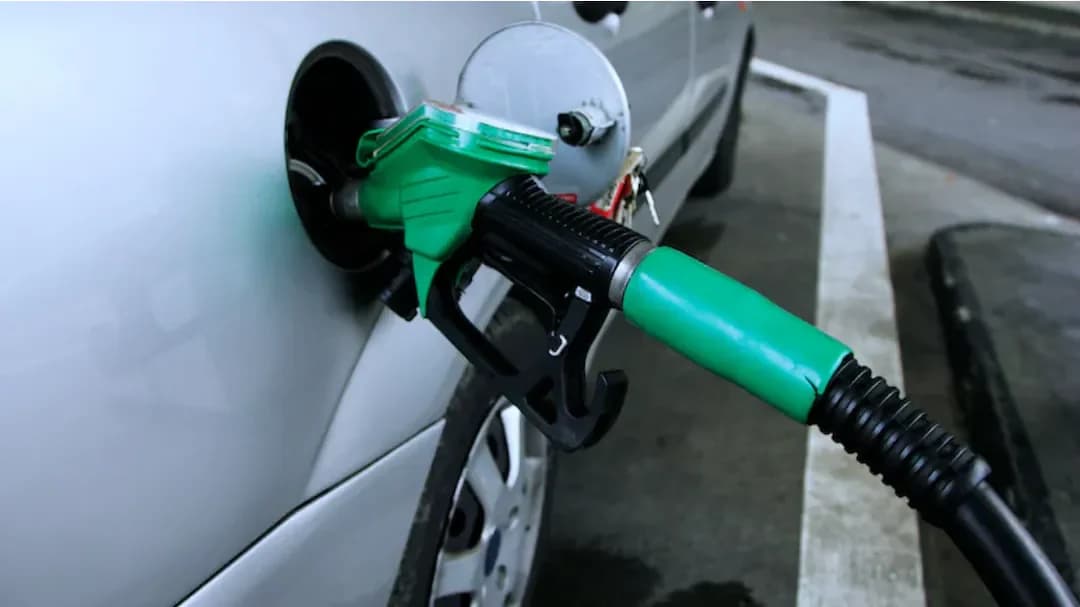
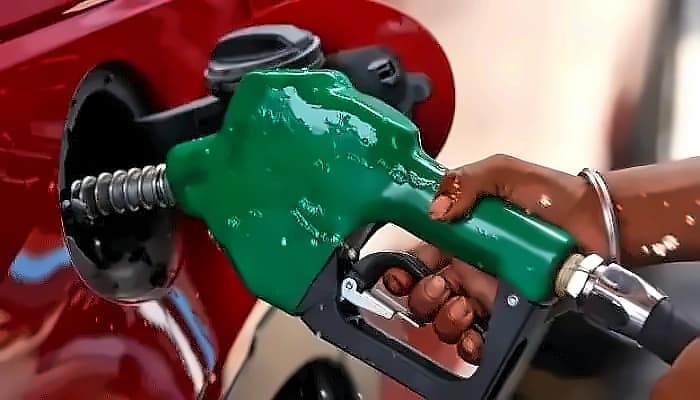
State-owned oil companies ended their 49-month hiatus in fuel price revisions on Friday, May 15, implementing a ₹3 per litre increase across both petrol and diesel. According to reports from Reuters, the price hike comes after oil firms had maintained unchanged rates since April 2022, with the exception of a one-off reduction of ₹2 per litre each on diesel and petrol in March 2024 before the Lok Sabha elections. The companies had initially suspended daily price revisions in April 2022 to protect domestic consumers from steep increases warranted by soaring international oil prices following Russia's invasion of Ukraine. As per Mint, India is among the last major economies to raise retail fuel prices, with state-owned oil firms keeping fuel price unchanged for 11 weeks despite a surge in input costs before the current revision. NDTV Profit reports that industry experts view the current fuel price jump as a 'very small number' compared to what the companies would like the government to do, with the hikes being described as 'political economy's numbers' rather than economic ones.
The government's decision to raise petrol and diesel prices by ₹3 per litre each, along with CNG prices by ₹2 per kg, has drawn sharp reactions from consumers across the country. At fuel pumps in Delhi, consumers expressed anxiety about the ripple effects of the hike, with one consumer telling PTI: "The Government of India has increased petrol price… already inflation is high and now with the fuel price hike… I don't know how we will manage. Rates of everything will increase now." Cab drivers at Dhaula Kuan highlighted the ground reality for the transport sector, with one driver noting that "it is making a big difference. It should be cheaper. We are not even getting enough fare." Consumers warned of a cascading effect, with one consumer predicting that "Rs 2 increase will lead to many other price hikes. Some people will use the Rs 2 hike as an excuse to raise the prices of their goods by Rs 10." NDTV Profit reports that fuel price increases have only affected major metro cities like Delhi, Mumbai, Chennai, and Kolkata, with commercial vehicle operators potentially filling diesel outside city limits until prices become uniform nationwide.
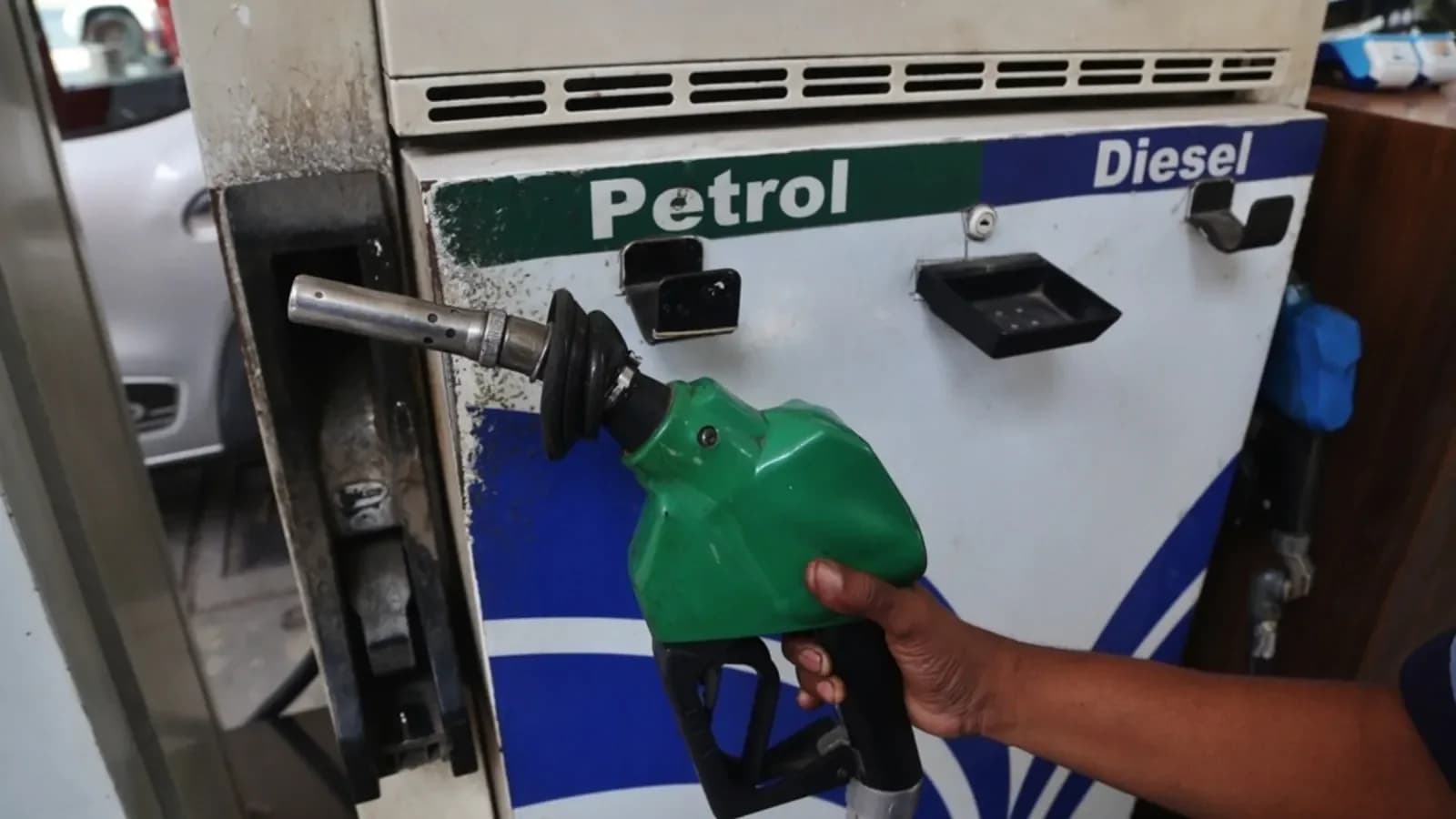
The price revision has resulted in significant increases across major Indian cities, with Delhi now charging ₹97.77 per litre for petrol compared to ₹94.77 earlier, while diesel increased to ₹90.67 per litre from ₹87.67. In Mumbai, petrol prices rose by ₹3.14 to ₹106.68 per litre, with diesel reaching ₹93.14 per litre after an increase of ₹3.11. Kolkata recorded the highest petrol price at ₹108.74 per litre (+₹3.29) and diesel at ₹95.13 per litre (+₹3.11). Chennai saw petrol increase by ₹2.83 to ₹103.67 per litre and diesel rise by ₹2.86 to ₹95.25 per litre. Latest data shows Hyderabad and Thiruvananthapuram have crossed ₹110 per litre for petrol, with Telangana at ₹110.89 and Kerala at ₹110.58. The price variations across cities are attributed to differences in local levies, as reported by Mint. NDTV Profit notes that private fuel retailers had already increased pump prices, with Nayara Energy raising petrol by ₹5 per litre and diesel by ₹3 in March, while Shell increased petrol by ₹7.41 and diesel by ₹25 per litre from April 1. In Bengaluru, Shell sells petrol at ₹119.85 per litre and diesel at ₹123.52.
The fuel price hike comes as global crude oil prices have surged dramatically, with Brent crude jumping more than 3 per cent to end above $109 per barrel, extending gains since the start of the war to about 50 per cent. As reported by The Hindu BusinessLine, global crude surged from around $69 per barrel in February to above $120, driven by the West Asia conflict and supply disruptions in the Strait of Hormuz. This represents an increase of over 50 per cent in crude oil prices compared to the basket of crude oil that India imports averaging USD 69 per barrel in February before the conflict broke out. The Hindu BusinessLine reports that analysts caution the revision is insufficient, with ICRA's Prashant Vasisht noting that OMCs still incur a loss of "about ₹500 crore daily on the sale of auto fuels and domestic LPG, even after factoring the fuel price hike," at crude levels of $105–110 per barrel. Arun Kailasan of Geojit Investments put cumulative under-recoveries at ₹1,98,000 crore, noting break-even would require a correction of ₹10 per litre for petrol and ₹15 for diesel. Reuters reports that Oil ministry official Sujata Sharma said in April that higher oil prices after the war started caused Indian retailers to lose about ₹100 per litre on diesel and about ₹20 per litre on petrol.
The fuel price hike extends far beyond direct consumers, as highlighted by financial expert CABhagyashree Thakkar on social media. According to her analysis, "fuel sits quietly behind almost everything we use daily" and "diesel is the backbone of India's transport network. When diesel becomes expensive, trucks, tractors, buses and delivery vehicles become expensive to run. And slowly, this cost starts moving through the entire supply chain." She emphasizes that "a ₹3 hike may have a small direct impact on inflation, but the indirect impact can be much wider," noting that "the tomato you buy does not reach your kitchen on its own. The milk packet, medicine strip, shampoo bottle, rice bag and Blinkit order all depend on fuel somewhere in the journey." This economic ripple effect means that "fuel price hikes matter even if you do not drive daily," as they change the cost structure of the entire economy and ultimately reach the common person's monthly budget. NDTV Profit reports that fuel price increases have only affected major metro cities like Delhi, Mumbai, Chennai, and Kolkata, with commercial vehicle operators potentially filling diesel outside city limits until prices become uniform nationwide.