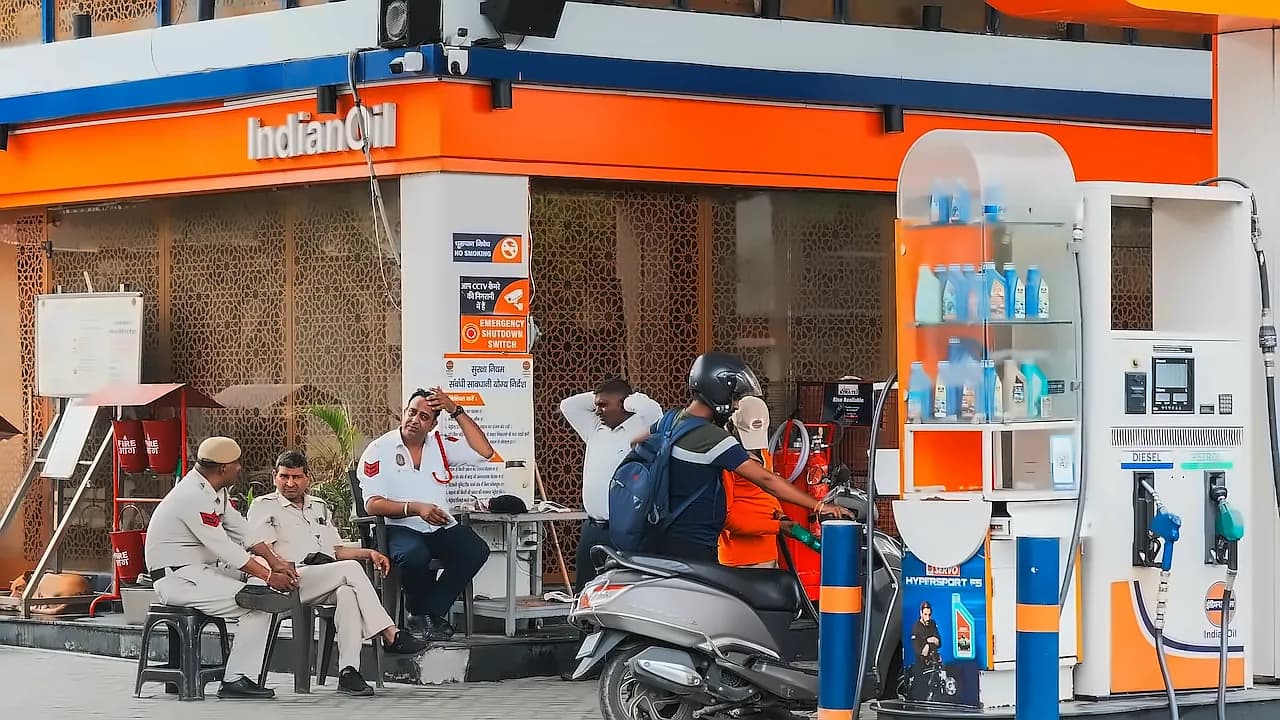
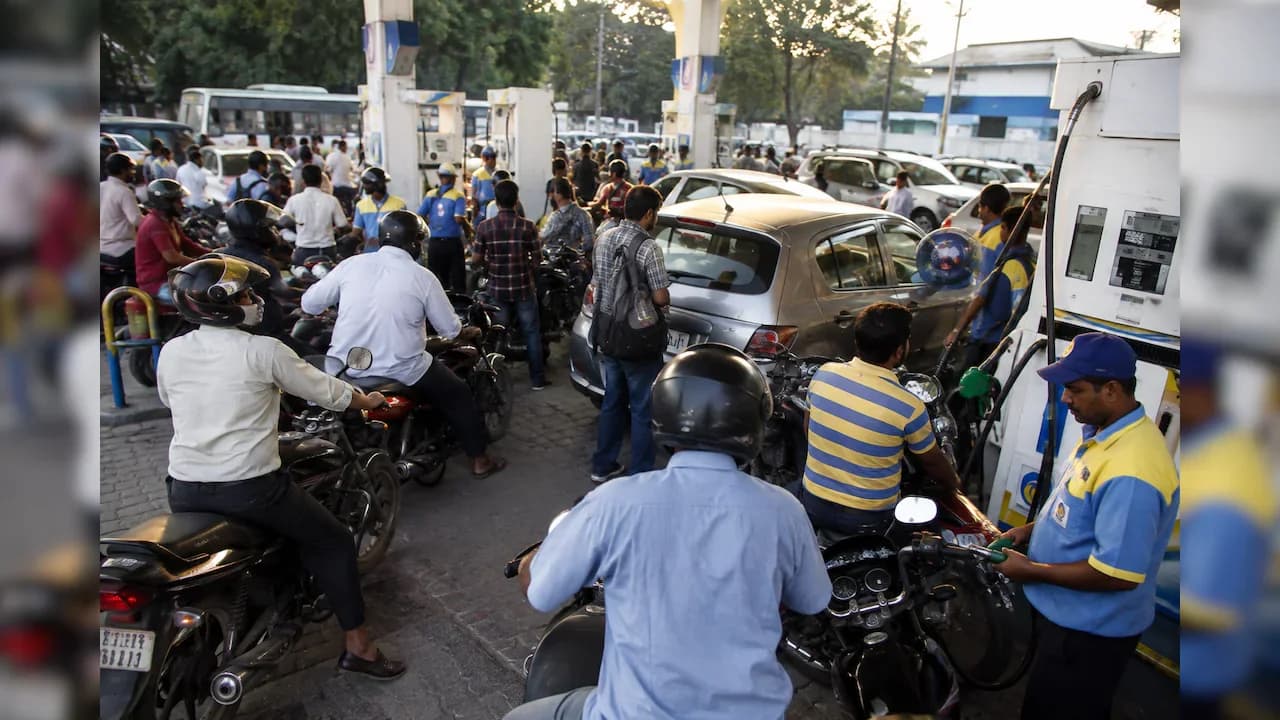
India announced its second fuel price increase in less than a week, with petrol and diesel prices rising by 90 paise per litre on Tuesday, following Friday's ₹3 per litre hike - the first increase in more than four years. According to BJP IT department head Amit Malviya, even after these recent revisions, fuel prices in India have increased by only about 4%, making it among the lowest increases globally outside heavily subsidised Gulf economies. The price adjustments come as Brent crude has stayed above $120 per barrel following the West Asia conflict and disruption in the Strait of Hormuz, with global crude prices surging more than 50% since US-Israeli strikes on Iran on February 28. India's latest increase of 91 paise per litre on May 15, 2026 was the first material upward revision in nearly four years and represents the smallest among major economies.
India's approach to fuel pricing has been characterized by multiple strategic excise duty reductions during periods of elevated crude prices. The Centre first reduced central excise duty on petrol and diesel on November 4, 2021, months before the Russia–Ukraine war disrupted global energy markets. A second round of cuts followed on May 21, 2022, after crude prices surged post the invasion of Ukraine, together lowering petrol prices by ₹13 per litre and diesel prices by ₹16 per litre at the retail level. Oil marketing companies later reduced pump prices by another ₹2 per litre in March 2024, followed by further duty reductions in 2025 and March 2026. The sharpest intervention came on March 27, 2026, when the Centre reduced Special Additional Excise Duty (SAED), taking excise duty on petrol down to ₹3 per litre and reducing diesel excise duty to zero. As per BJP's Amit Malviya, Indian public sector oil marketing companies absorbed massive under-recoveries, reportedly around ₹1,000 crore per day for 76 days after the crisis began, instead of passing the burden directly to citizens.
The rest of the world has implemented much steeper price adjustments for crude cost increases. According to BJP's comparative data, Myanmar has seen petrol prices rise by 89.7% and diesel by 112.7%, while Malaysia recorded increases of 56.3% for petrol and 71.2% for diesel. Pakistan experienced 54.9% for petrol and 44.9% for diesel, and the UAE saw 52.4% for petrol and 86.1% for diesel. In advanced economies, American petrol prices have risen by 44.5% and diesel by 48.1%, while European countries show varied increases with the UK up 19.2% on petrol and 34.2% on diesel respectively. Between late February and mid-May 2026, fuel prices in several countries recorded sharp increases, with petrol prices rising nearly 90% in Myanmar, more than 56% in Malaysia, around 55% in Pakistan and over 44% in the United States. India's retail petrol and diesel prices, by comparison, rose just over 4% during the same window after the May 15 revision, with Saudi Arabia among the few countries where prices remained unchanged.
The price increase has significantly reduced daily losses for government-owned oil companies. According to an Indian Oil official, the ₹3.91 per litre increase has helped reduce daily losses from ₹1,000 crore to ₹750 crore. The retail increase in fuel prices has resulted in cutting losses by only 25%, as reported by the official. India had held petrol and diesel prices essentially unchanged from their 23rd February 2026 levels until 15th May 2026, absorbing the cost of crude at refinery gate and accumulating daily under-recoveries of around ₹1,000 crore. At the peak of the Hormuz disruption, under-recoveries at the refinery gate were estimated at roughly ₹26 per litre on petrol and over ₹80 per litre on diesel, according to industry-linked estimates. To prevent domestic supplies from being diverted overseas amid higher international prices, the government also imposed export levies on diesel and aviation turbine fuel in March 2026.
In Asia-Pacific markets, Japan, South Korea, and Singapore have implemented petrol price increases below 20%, while diesel prices have risen considerably faster. Singapore has registered a 65% jump in diesel prices. The price pass-through has been steepest in liberalised emerging markets directly exposed to West Asian supply and freight, where governments do not absorb volatility. These markets have been adjusting prices for crude cost increases through increases ranging from 10 to 90% in retail fuel prices. Retail fuel prices continue to vary sharply across states due to differences in VAT structures and additional levies imposed by state governments. States such as Andhra Pradesh, Telangana and Kerala currently have among the highest petrol prices in the country due to higher VAT rates and additional cesses, while BJP-ruled states such as Gujarat, Uttar Pradesh, Haryana, Goa and Assam remain among the lower-priced markets. The Centre's March 2026 excise duty reduction lowered the base price across the country, but state-level VAT structures continue to influence the final retail price paid by consumers.