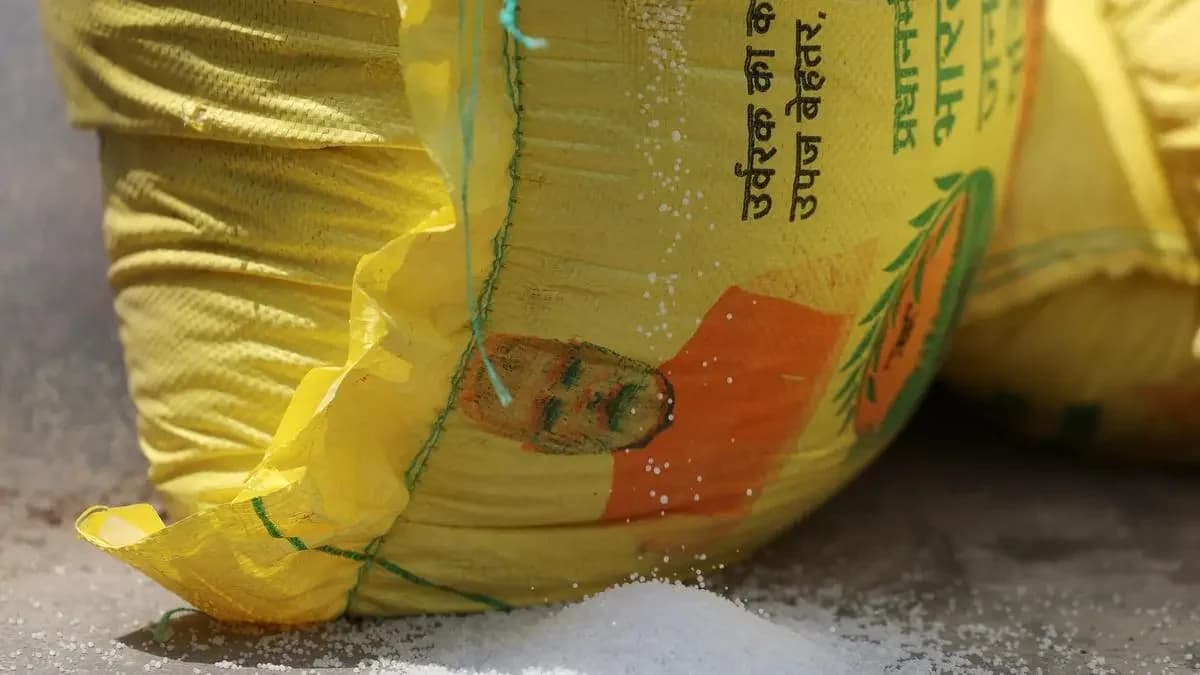
India's fertiliser sector faces a critical vulnerability crisis driven by heavy external dependence on raw materials. According to reports from Business Standard, for urea, India's most-used nitrogen fertiliser, direct imports met 13% of requirements in 2024-25. Even domestic production relies heavily on imported feedstocks, with over 80% of India's natural gas being imported and serving as a key feedstock. When factoring in both direct urea and natural gas import content, effective self-sufficiency dropped below 50% of total needs in 2024-25. For other key nutrients, phosphorus and potassium (P&K) around 90% of raw materials or finished phosphatic fertilisers are sourced from abroad, while potash is entirely imported. Recent developments show fertiliser imports from China surged 173% in FY26, making it the second-largest supplier after Russia, which remained the top source with shipments rising 35% to 6.71 million tonnes.
The financial impact of this dependency crisis is evident in the escalating subsidy costs. As reported by Business Standard, fertiliser subsidies increased from ₹16,127 crore in 2004-05 to ₹1.77 trillion in 2024-25, representing a compounded annual growth rate of 12.7% over two decades. The subsidy burden has increased nearly elevenfold in absolute terms, with fertiliser subsidies now representing around 4% of the total union budget. Urea alone accounts for nearly two-thirds of the total subsidy burden, sold at a fixed price of ₹242 per 45-kg bag, unchanged since 2018.
The current pricing structure has created significant nutrient imbalances in agricultural practices. According to Business Standard, India's nitrogen, phosphorus, and potassium application ratio has deteriorated to 10.9:4.4:1, far from the recommended 4:2:1. Conventional granular urea has a nutrient use efficiency of just 35-40%, meaning more than half is lost to the environment, contributing to nitrous oxide emissions and groundwater contamination. The pricing imbalance has led to subsidised urea being diverted for stocking and black marketing, with farmers understandably overusing the cheapest nutrient.
Experts propose several structural reforms to address these challenges. As reported by Business Standard, key recommendations include bringing urea under the Nutrient-Based Subsidy (NBS) framework to apply uniform nutrient-based subsidy across nitrogen, phosphorus and potassium rather than maintaining artificially low urea prices. The article suggests encouraging alternative nitrogen sources such as ammonium sulphate and ammonium phosphates to diversify the nutrient mix. Additionally, expanding direct benefit transfer mechanisms would improve targeting and reduce leakages by digitising and verifying land records and linking them to Aadhar-seeded bank accounts.
A transformative opportunity lies in the transition to green ammonia production, which offers a domestically producible and geopolitically resilient alternative. According to Business Standard, recent procurement initiatives by SECI include a landmark tender for 724,000 tonnes of green ammonia annually, targeted at the fertiliser sector to cut reliance on imported natural gas. This transition would reduce subsidy burdens, enhance energy security, and lower emissions while helping meet India's carbon credit trading scheme goals. The economics of green ammonia are steadily improving as India's renewable capacity expands.