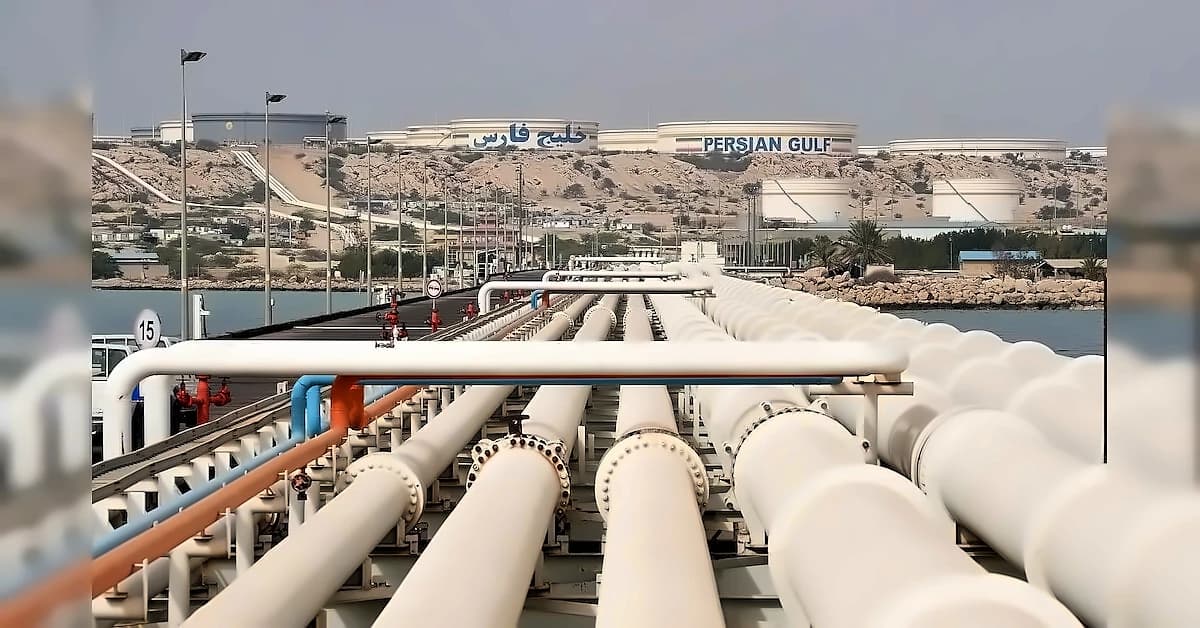
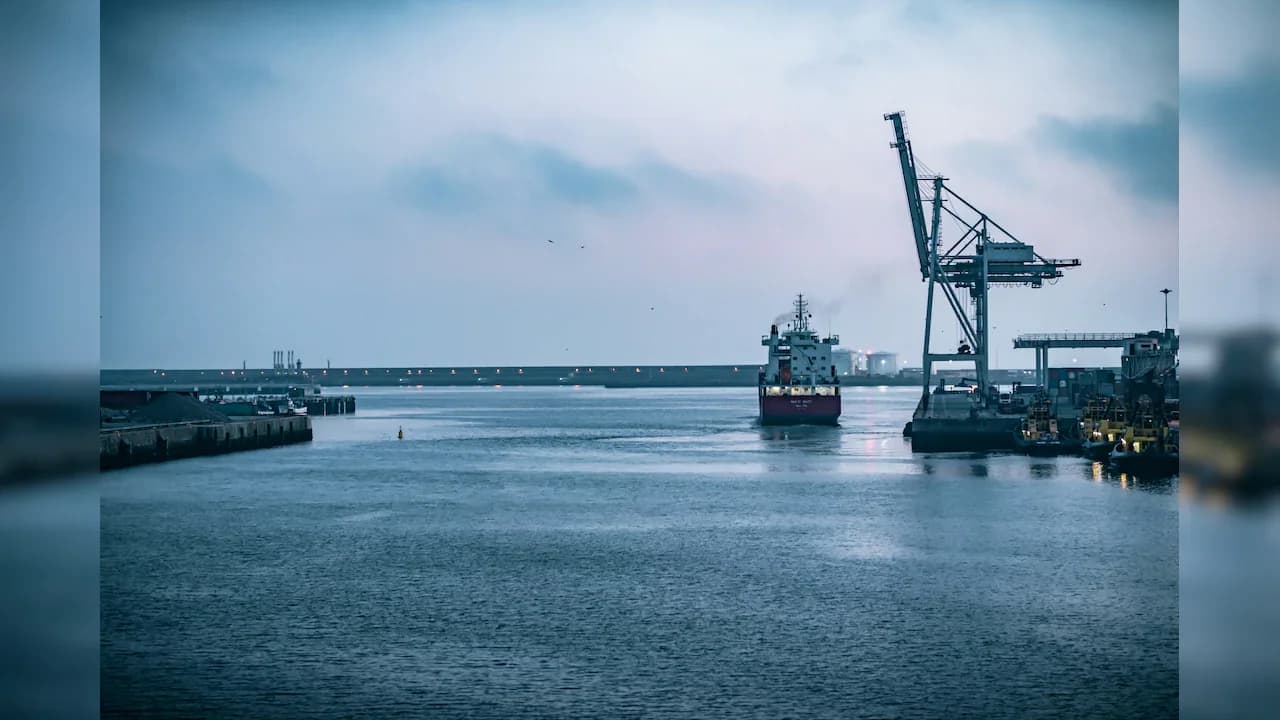
Iran's growing control over the Strait of Hormuz has prompted Iraq and Pakistan to secure separate energy agreements with Tehran to ensure safe passage of oil and liquefied natural gas shipments. According to a Reuters investigation, these agreements underscore Tehran's increasing capacity to influence and selectively regulate energy traffic through the strategically vital waterway, which is responsible for nearly 20% of global oil and gas shipments. The deals come as Iran is claiming 'full control' over the Strait of Hormuz amid ongoing regional conflicts, with Tehran stating it intends to retain strategic control of the strait beyond any eventual ceasefire. As Claudio Steuer of the Oxford Institute for Energy Studies noted, 'Iran has shifted from blocking Hormuz to controlling access to it, Hormuz is no longer a neutral transit route, it is a controlled corridor'. The agreements reflect growing concern among countries dependent on Gulf energy supplies as shipping disruptions pushed global oil and gas prices sharply higher.
Iraq arranged safe passage for two very large crude carriers, each transporting about two million barrels of oil, through the Strait of Hormuz on Sunday, following a secret deal with Iran. As reported by Reuters, to protect its oil-dependent economy from regional tensions, Iraq is now seeking Iranian approval for additional transits, driven by the urgency of protecting oil revenues that account for 95% of its national budget. An Iraqi oil ministry official familiar with the negotiations told Reuters that 'Iraq is a close ally of Iran, and any deterioration in Iraq's economy would also damage Iran's economic interests in the country.' The official confirmed that neither Iraq nor Pakistan made direct payments to Iran or the Islamic Revolutionary Guard Corps for the transit arrangements, highlighting the diplomatic nature of these energy security arrangements. A second Iraqi oil ministry official and a shipping industry source also confirmed the talks with Tehran, with all sources requesting anonymity as they were not authorized to speak on the matter.
Pakistan has secured passage for two Qatari LNG tankers under its own bilateral arrangement with Tehran, with Qatar informing Washington ahead of the shipments, according to Reuters sources. The deal comes as Pakistan faces peak summer electricity demand, highlighting the strategic importance of maintaining energy supply chains. Pakistan received about 10 LNG cargoes a month before the war and now must meet high summer electricity demand for cooling. A Pakistani source involved in the talks with Tehran noted that the process remains unpredictable due to the direct involvement of the IRGC, stating 'The IRGC sometimes changes the goalposts, so it is hard to keep things on track, but we are working through it.' The agreements reflected growing concern among countries dependent on Gulf energy supplies as shipping disruptions pushed global oil and gas prices sharply higher.
Iran is formalizing its control over maritime traffic in the Strait of Hormuz by requiring detailed vessel documentation from Iraq for each tanker, including cargo, ownership and destination information, with shipments routed via designated maritime corridors under Iranian naval supervision. As reported by Reuters, vessel traffic through Hormuz has collapsed to around 5% of pre-war levels of approximately 3,000 ships per month, representing a structural shift in global energy risk pricing. Specialized teams at the Iraqi oil ministry are providing Iranian authorities with detailed information on individual vessels, including destination, shipping details, ownership and cargo specifications, to help avoid incidents. The enhanced control measures reflect Tehran's broader strategy to assert dominance over the strategically vital waterway amid regional tensions.

The development represents a significant shift in the nature of the Hormuz crisis, with Iran appearing to move toward managing access selectively rather than seeking to close the strait entirely. Brent crude has surged more than 50% since the conflict erupted in late February, while LNG prices in Europe and Asia have jumped between 35% and 50%. Analysts describe this as a posture that effectively converts the waterway into a tool of geopolitical leverage, with Saul Kavonic of consultancy MST Marquee warning that 'As more governments become willing to cut deals with Iran for passage, it risks normalising the idea that Iran will control the Strait of Hormuz on a more permanent basis'. Iran has insisted it intends to maintain influence over the Strait of Hormuz after the conflict and has demanded sanctions relief and reparations as part of any future agreement with the United States, conditions that U.S. President Donald Trump described as 'garbage'.