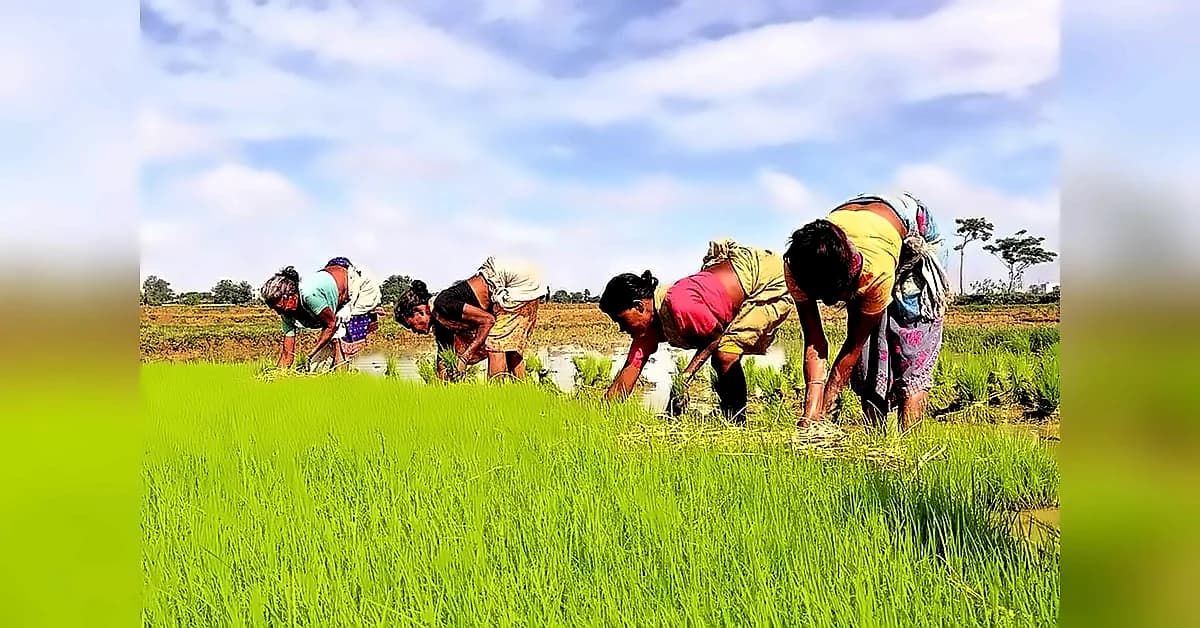
India's monsoon crop planting has largely recovered after normal July rains helped offset the driest June in 12 years, according to Agriculture Secretary Atish Chandra. Speaking on Monday, Chandra noted that "There has been significant catch-up in sowing since June." The recovery comes after cumulative rainfall remains 13% below normal as of August 19, with July rainfall being slightly above normal after a 40% deficit in June largely due to the emergence of an El Niño weather pattern. As per the latest data from the agriculture ministry, farmers had sown 101.7 million hectares of monsoon crops as of August 14, about 2% less than a year earlier. The southwest monsoon, which accounts for about three-quarters of India's annual rainfall, is crucial for replenishing groundwater as well as for farming, with crops grown during the season that runs from June through September accounting for about half of the country's yearly foodgrain production.
Union Agriculture Minister Shivraj Singh Chouhan has provided an optimistic assessment of El Niño's impact on kharif crops, stating that the severity of El Niño's effect on monsoon will grow but the overall impact on kharif production is unlikely to be significant. Speaking to the media after an event organised by the Indian Council of Agricultural Research (ICAR), Chouhan said "We don't see a huge impact of El Niño, except in some places. The situation by and large remains good. Rainfall was sufficient to meet the full water needs of the crops". He noted that kharif crops had received adequate rainfall for growth in most parts of the country, bringing down the number of vulnerable districts from 262 to around 100. The Minister emphasized that "We still have to review the situation as it is changing daily," while acknowledging that Karnataka and Telangana are facing water shortages. Agriculture Secretary Chandra confirmed that "Rice planting is still lagging, but farmers have time to sow through the end of August and, in some areas, into September."
India's kharif planting has staged a strong recovery after improved rainfall in July helped farmers make up much of the ground lost during the driest June in 12 years, raising hopes of easing pressure on food prices if rains remain supportive. According to Agriculture Secretary Atish Chandra, sowing of most major crops, including pulses, oilseeds and cotton, is progressing well. While acreage under some crops remains below last year's level, planting of others has increased, showcasing an optimistic shift among farmers. The revitalization raises expectations for alleviating food price concerns, provided the good rains continue. This recovery comes as the all-India monsoon deficit stood at 13% as of August 18 during June 1-August 18, with 361 out of 741 districts reporting rainfall deficit of 20% or higher.
Andhra Pradesh Chief Minister N. Chandrababu Naidu has warned of severe water stress due to El Niño conditions, urging farmers to conserve water and avoid water-intensive crops. Speaking in the Legislative Assembly, Mr. Naidu said the State was likely to receive substantially below-normal rainfall this year, with water availability declining in major river basins, reservoirs, and projects. Andhra Pradesh is expected to receive about 867 mm of rainfall between June and December 2026, against which only around 557 mm was forecast, indicating a deficit of about 36%. The rainfall deficit was particularly severe, with July recording a deficit of 68%, while deficits of around 35% were expected in August and September, 25% in October and 20% in November. The Chief Minister highlighted that the State's dependence on upstream States made the situation more challenging, as water flows into Andhra Pradesh from Karnataka and Maharashtra only after their reservoirs receive adequate inflows, affecting the availability of water in the Srisailam and Nagarjuna Sagar reservoirs. Srisailam was expected to receive about 753 TMC of water, but the inflow this year was only around 214 TMC.
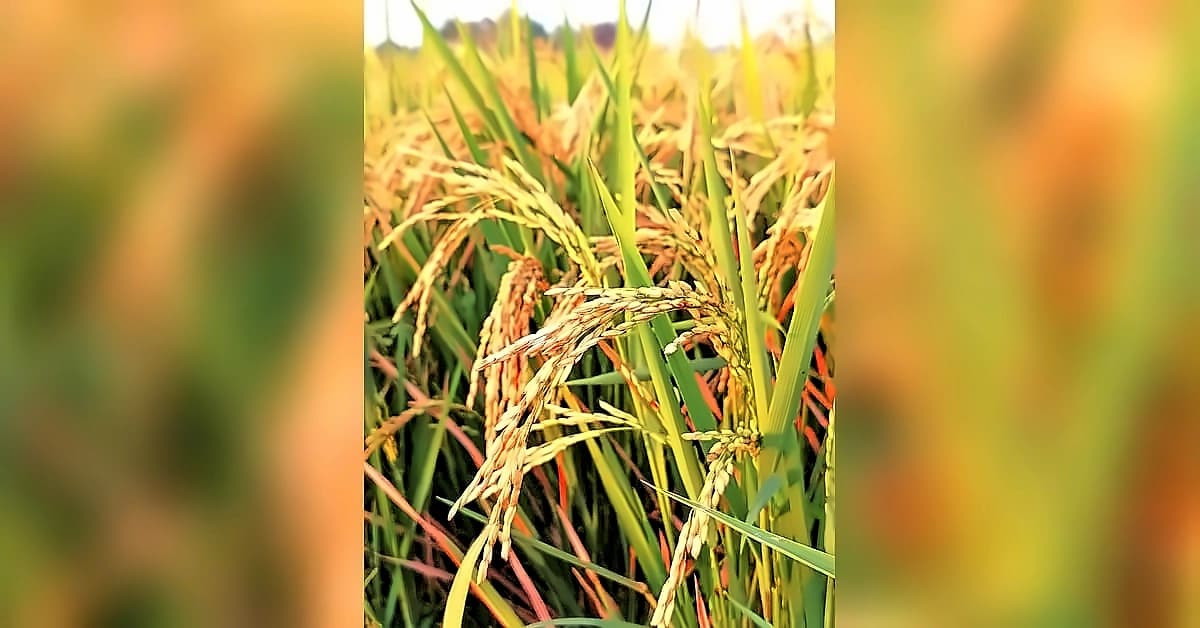
The government has significantly expanded crop insurance coverage in Andhra Pradesh, with 35.17 lakh applications received for crop insurance this year compared to 19.50 lakh farmers who enrolled last year. Non-loanee farmer enrolment had risen from two lakh during the previous Kharif season to 20.35 lakh this year, while the area covered by crop insurance had increased from 7.83 lakh hectares to 15.17 lakh hectares. The total insured crop value had reached ₹13,983 crore, placing Andhra Pradesh fifth in the country. Chief Minister Naidu appealed to farmers to complete crop insurance enrolment by the end of August, noting that the government would arrange water through tankers to protect standing crops where necessary, while promoting drip irrigation and appealing to farmers to avoid water-intensive crops in areas facing acute shortages.