Crude oil prices jumped over 6% on Wednesday amid fresh attacks on Iraq by the US and Saudi Arabia, along with Iran's strikes on US military assets in Jordan. According to reports from Mint, the September contract of Brent on the Indian Energy Exchange was trading at $89.44 a barrel around 7 PM, representing a 6.36% increase from its previous close. The attacks, which have resumed after a gap of four days, have resulted in about 20 casualties in Iraq, reviving concerns over a wider conflict in West Asia. As per the Finance Ministry's Monthly Economic Review for July, Brent crude futures rose more than 5% to $88.40 a barrel after the United States and Saudi Arabia carried out military operations. On Thursday, the September Brent contract on the Intercontinental Exchange traded at $92.50 a barrel at 12.40 pm, up 2.33% from previous close, following US strikes on Iran in retaliation for Tehran's attacks on American military assets in Jordan.
India's wholesale price inflation accelerated to 9.87% in June 2026, up from 9.68% in May, driven primarily by rising global commodity and energy costs. According to Business Standard, Minister of State for Finance Pankaj Chaudhary informed the Lok Sabha that the increase was largely driven by price pressures in commodities sensitive to global energy and commodity price movements, particularly mineral oils (including petroleum products), food articles, basic metals, chemicals and chemical products. The government has been actively undertaking measures to control inflation, including augmenting buffer stocks for essential food items, strategically selling procured grains in the open market, and calibrating trade policies. These efforts have helped keep retail inflation below the 4% target over the last two quarters, with CPI-based inflation at 3.1% in January-March FY26 and 3.9% in April-June FY27.
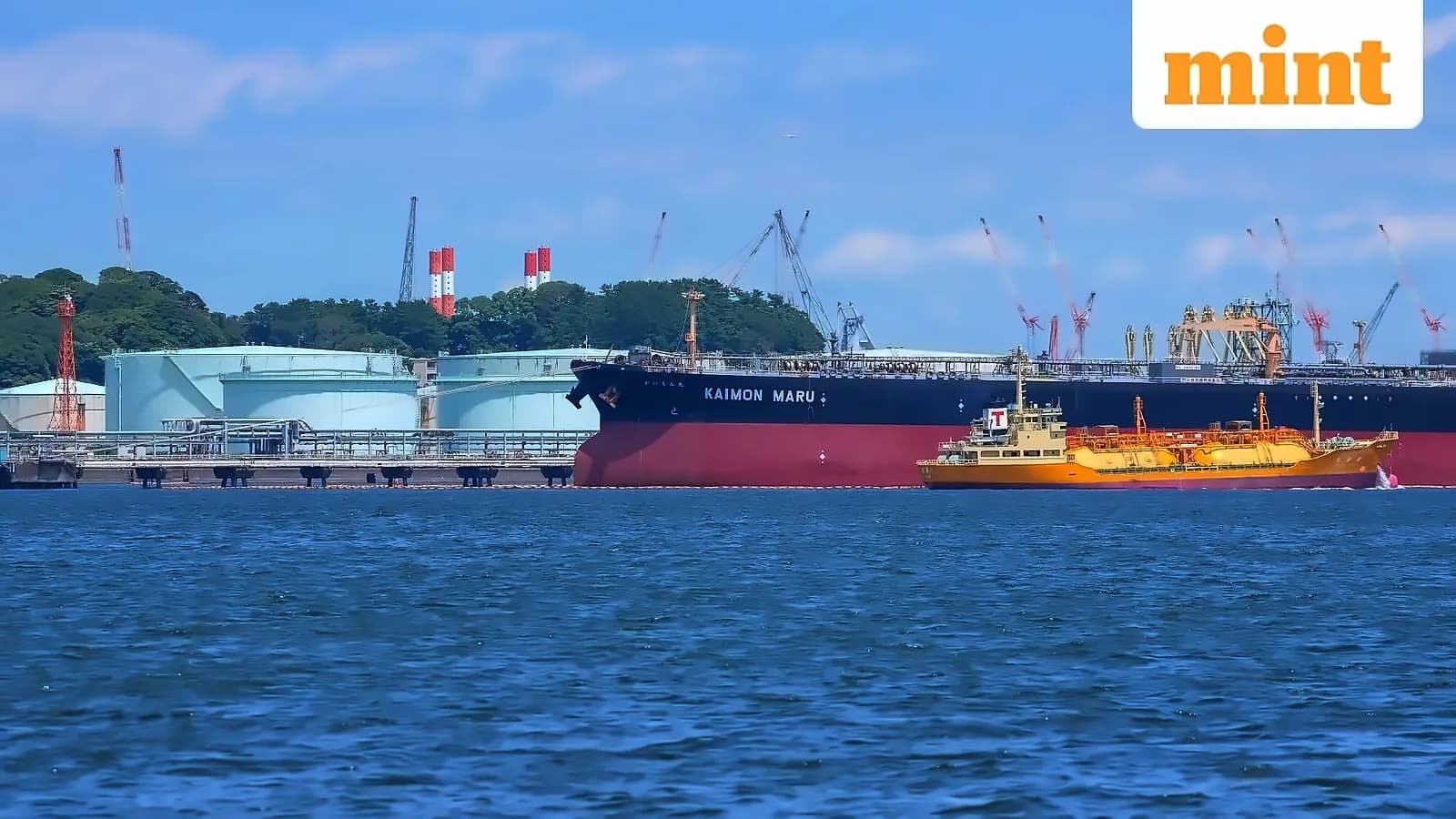
Alternative oil export routes that have gained prominence amid security risks in the Strait of Hormuz are facing mounting risks as security concerns spread to the Red Sea and around Bab el-Mandeb, a key maritime chokepoint linking the Red Sea and the Gulf of Aden. Saudi Arabia's East-West Pipeline, also known as Petroline, connects production centers in the east of the country with the port of Yanbu on its western coast, allowing crude oil to reach the Red Sea without passing through the Strait of Hormuz. However, the security of shipments beyond Yanbu remains dependent on maritime transport. Commodities data firm Kpler reported that the number of commodity vessels passing through Bab el-Mandeb fell to 11 on July 26, the lowest daily level in recent months. According to the International Energy Agency, around 20 million barrels per day of oil and petroleum products pass through the Strait of Hormuz, with about 80% heading to Asian markets, making Asia more vulnerable to potential disruptions. Despite the escalating conflict, shipping through two of the world's most important energy chokepoints has remained broadly stable, with vessel crossings through the Bab el-Mandeb Strait and the Strait of Hormuz standing at 34 and 16 respectively on July 28, compared with 32 and 15 a day earlier.
Adding to supply concerns, the US Senate advanced a bill to impose more restrictions and tariffs on the top five buyers of Russian energy, including India. As reported by Mint, the sanctions bill would provide US President Donald Trump the authority to impose heavy sanctions on Russian officials as well as up to 100% tariffs on nations like India and China to deter them from buying Russian oil and gas. This is significant for India as Russian oil currently accounts for over 50% of India's total crude imports, with the country importing about 2.6 million barrels per day of Russian crude in July, accounting for more than half of its total crude imports. However, despite the proposed legislation, Indian refiners are expected to continue procuring from Russia in the near term. "Refiners are procuring oil from non-sanctioned entities in Russia and it would continue. It will have to be looked at how the developments evolve regarding the bill in US. Right now, it is not a matter of concern," said an official on the condition of anonymity.
Rising crude prices pose significant concerns for India, which imports nearly 90% of its oil requirements. According to Mint reports, a sustained $1 per barrel increase in crude prices over a year could add ₹18,000 crore to India's import bill. The country's annual oil import bill of around $120 billion, accounting for 17-25% of overall merchandise imports, has already seen its crude oil import bill for April-June reach $49.8 billion, up 61% year-on-year due to elevated global prices, accounting for 40% of the previous fiscal year's total oil import bill. As per the Finance Ministry's Monthly Economic Review for July, the ministry cautioned that a sustained increase in global crude oil prices could once again put pressure on both the fiscal deficit and the current account balance. The prolonged instability has repeatedly rattled energy markets over the past five months, with India's crude oil import bill for April-June rising to $49.8 billion, up 61% year-on-year on elevated global prices. India's retail inflation rose to a provisional 4.38% in June 2026, up from 3.93% in May, driven primarily by higher food and transport prices, surpassing the Reserve Bank of India's 4% midpoint target for the first time since January 2025.