India's crude oil import bill has surged 61.2% in Q1 FY2026 to $49.8 billion compared to the same period last year, as elevated international crude prices couldn't offset slightly lower import volumes. According to provisional data from India's Petroleum Planning and Analysis Cell (PPAC), the soaring import costs threaten to impact India's government finances and fiscal balances, while rekindling inflation fears in the world's most populous country. India depends on imports for 88% of the crude oil it consumes daily, making the re-escalation of Middle East hostilities an upward risk to inflation. The latest data shows India imported 59.8 million tonnes of crude oil in Q1, down 4.5% from 62.6 million tonnes in the corresponding period last year, but the higher import cost underscores the vulnerability of India's energy import bill to fluctuations in global crude prices.
The US Congress has introduced legislation targeting Russian oil exports that could significantly impact India's energy security. The Lindsey O. Graham Sanctioning Russia Act of 2026 allows President Trump to impose tariffs of up to 100% on the top five purchasers of Russian oil and natural gas, essentially targeting China and India. According to Energy Intelligence, the US Senate has 62 cosponsors in the 100-seat chamber, sufficient to pass the legislation in the coming days. India has been buying a record 2.7 million barrels per day of Russian crude oil in June and 2.6 million b/d in the first three weeks of July, representing over 50% of India's overall imports. This level approaches the all-time high of 2.64 million barrels per day recorded in June, with Russia maintaining its position as India's largest crude oil supplier despite the sanctions threat.
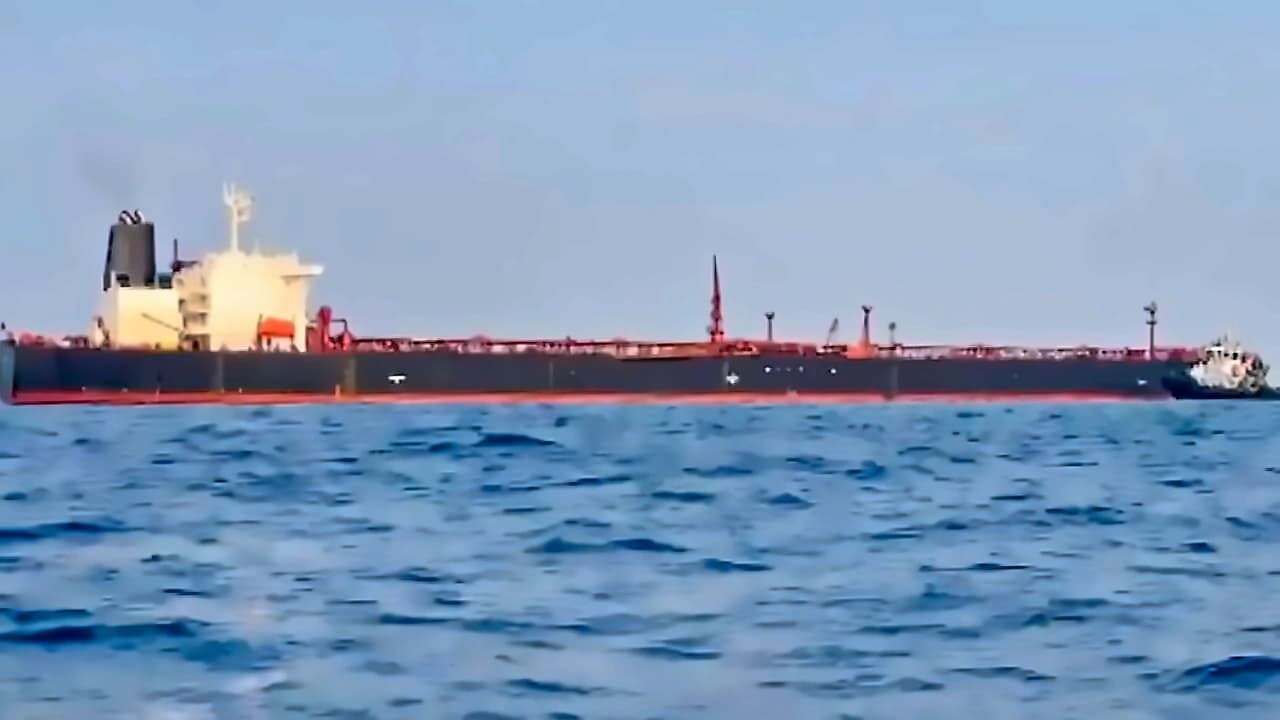
Multiple supply disruptions are creating additional pressure on India's energy security. Iran-backed Houthi rebels announced a sea navigation ban on Saudi Arabia on July 20, potentially affecting exports of over 5 million b/d of crude oil from Saudi Arabia's west coast export terminal. As reported by Kpler, Saudi Arabia's main Hormuz bypass route through the Red Sea is now exposed, with the Red Sea route facing security constraints that could reduce Saudi crude export resilience. Since the US-Iran ceasefire collapsed on July 8, maritime traffic via the Strait of Hormuz has been severely impacted. The UAE ranks second as India's crude oil supplier with an average supply of 617,000 barrels per day in July so far, while Saudi Arabia follows as the third largest supplier with India's average imports from the destination being 586,000 barrels per day. Despite these challenges, India has ensured crude oil supplies until late August and is currently in talks to secure supplies for September from Russia and the Americas.
The average landed price of crude oil has jumped dramatically to $113 per barrel from $67 a year ago, significantly worsening India's trade deficit and inflation concerns. Brent crude futures have touched $85 per barrel, lower than the $120/bbl levels seen in March but much higher than the $70/bbl levels in early July. According to Sparta Commodities, tension, violence, and hostilities have triggered the largest weekly gain on Brent futures since late April. Market analysts attribute price stability to several factors including plunging Chinese imports, ramped up US production reaching a record 13.93 million barrels per day by April, and the US President's repeated statements about peace agreements. The higher import cost underscores the vulnerability of India's energy import bill to fluctuations in global crude prices, given that the country relies on imports for more than 85% of its oil requirements.
India remains the most exposed among major consumers including Japan, South Korea and China despite its diversified sourcing strategy. During the previous Red Sea campaign in 2023-2025, the Houthis used missiles, drones, and small boats against merchant shipping, sinking four vessels and killing 9 seafarers, sending commercial traffic through Bab el-Mandeb to a record low. Only Russia with Tehran's help was allowed to use the waterway to ship oil to India. India's crude procurement pattern reflects a flexible strategy, but the latest developments underscore the country's significant energy import dependency. The trend is evident across all energy imports, with LNG supplies declining 8.6% year-on-year to 7,674 million standard cubic metres during the April-June period, reflecting the broader impact of elevated global oil prices on India's energy security.