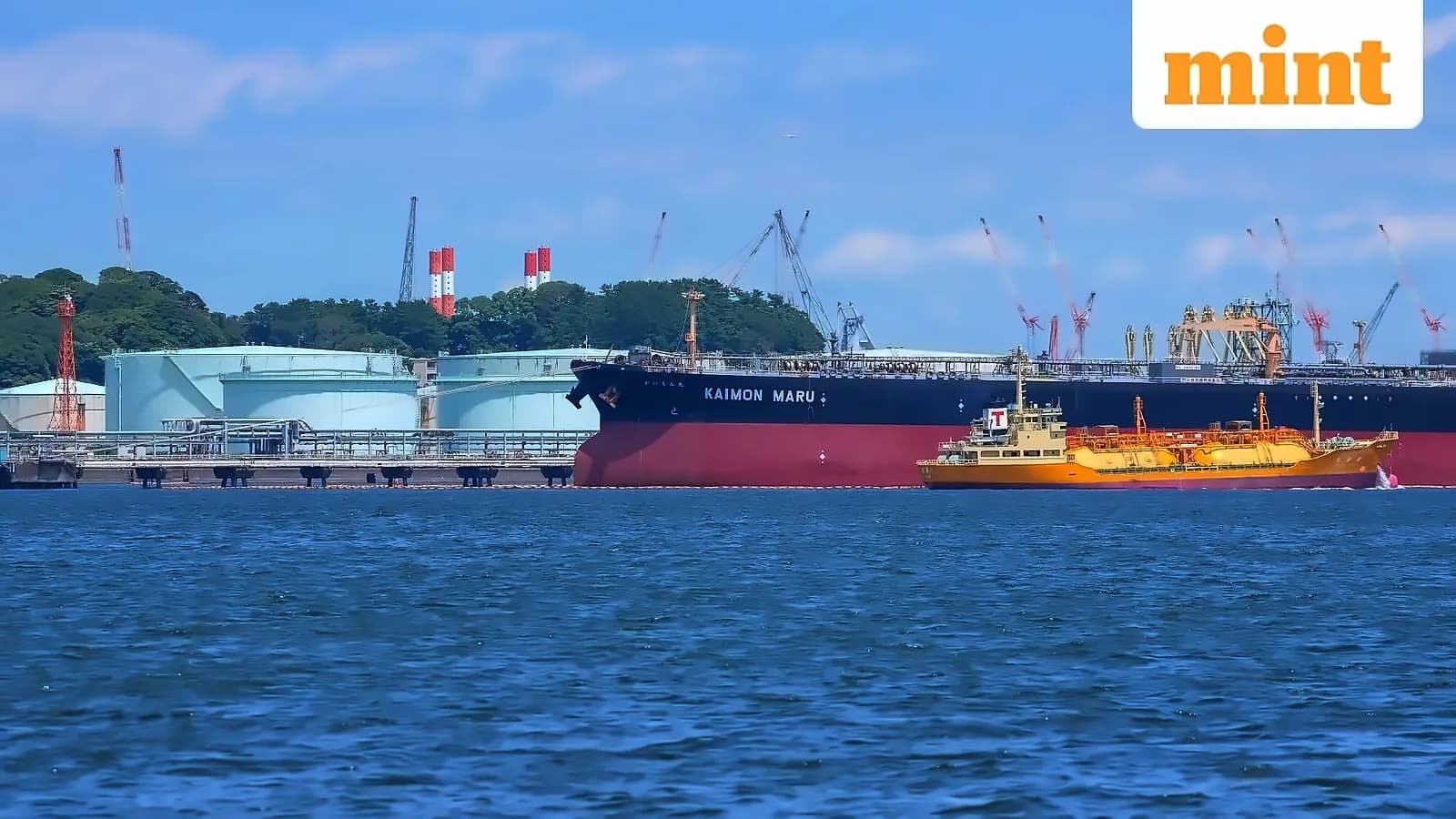
Fuel prices have experienced a minimal increase of around 3% across major Indian cities despite Brent crude climbing to $110 per barrel. According to the latest pricing data, petrol is selling at ₹97.77 per litre in Delhi and diesel at ₹90.67 per litre, while Mumbai records the highest rates at ₹106.68 per litre for petrol and ₹93.14 per litre for diesel. Other major cities show similar pricing patterns, with Kolkata at ₹108.70 for petrol and ₹92.02 for diesel, Chennai at ₹103.67 for petrol and ₹95.25 for diesel, and Hyderabad at ₹110.89 for petrol and ₹98.96 for diesel. As reported by NDTV Profit, this 3% price rise represents a comparatively modest increase given the global oil price surge to $110 per barrel, demonstrating India's ability to cushion fuel price impacts through subsidies and excise duty adjustments. According to Instagram, global petrol prices have surged significantly over the past four months, driven by severe supply disruptions and tanker blockades in the Persian Gulf, with the average petrol price in the United States being roughly $1.08 to $1.20 USD per litre (about ₹90 to ₹100 INR).
Oil prices have extended gains on Monday as hopes of ending the U.S.-Israeli conflict with Iran appeared to fade after a nuclear power plant in the United Arab Emirates came under attack, while U.S. President Donald Trump was expected to review military options on Iran. Oil prices have risen for a third consecutive session after Trump renewed pressure on Iran to accept a deal that could end weeks of conflict and restore traffic through the Strait of Hormuz. As reported by NDTV Profit, Brent crude advanced above $110 per barrel after gaining nearly 8% last week, while West Texas Intermediate approached $107. The latest surge adds to an extraordinary rally that has seen oil prices surge more than 50% since the US and Israel launched strikes on Iran at the end of February. According to Press Democrat, oil prices continued rising as the war with Iran drags on, with stock markets worldwide dropping from records as worries about oil prices rattle the bond market. However, analysts note that oil prices have continued to move higher and up 8-10 per cent on a weekly basis, holding steady above $100 per barrel amid lack of clarity on the peace deal between US and Iran, as cease fire and Hormuz blockade still remains.
US inflation has jumped to 3.8% in April, marking the highest level since May 2023, as consumers feel the impact of the Iran war. According to the Bureau of Labor Statistics (BLS), almost half of the rise was driven by surging energy costs, while housing and food costs also contributed to the increase. The average airfare rose by 20.7% in April, with US airlines quickly passing on fuel cost increases to customers as the closure of the Strait of Hormuz caused jet fuel prices to spike. This marks the first time in three years that Americans' pay packets are no longer growing faster than prices are rising, with average paychecks growing by just 3.6% while prices rose by 3.8% for the year to April. The rise in inflation makes it increasingly unlikely the Federal Reserve will cut interest rates this year, with incoming Fed chair Kevin Warsh expected to take a more conservative approach. As reported by JM Financial Services, gold prices took a breather last week and closed with a weekly loss, weighed by a sharp jump in the US dollar and bond yields globally following higher than expected April inflation numbers from most regions, including India, China, and the US, raising bets that interest rate cuts are unlikely to come any time soon.
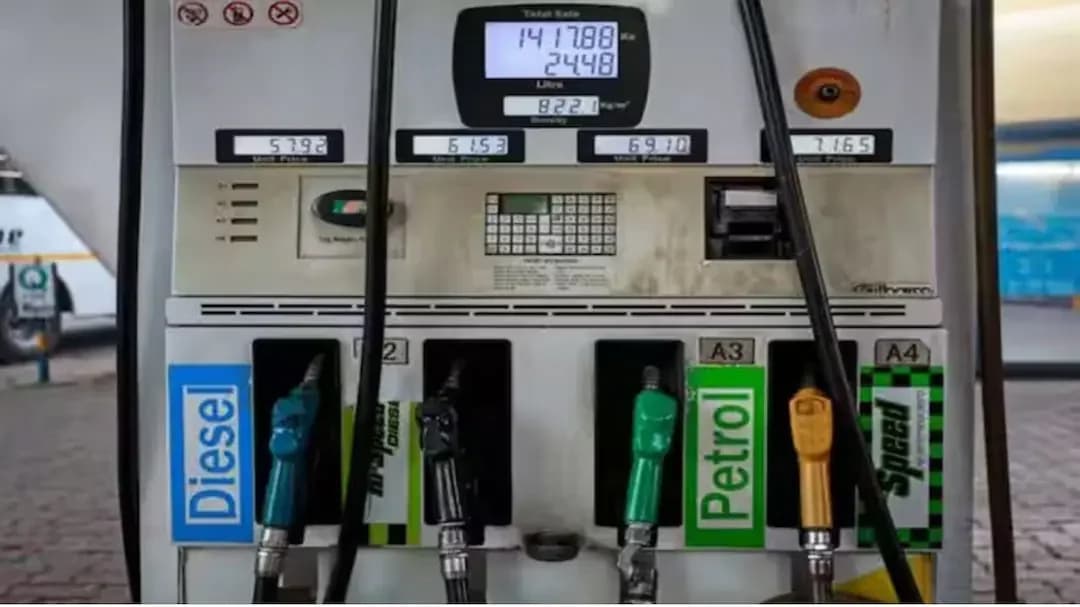
The sustained high oil prices are creating significant financial pressure on the government and oil marketing companies. According to reports from NDTV Profit, Petroleum Minister Hardeep Singh Puri stated that public sector oil marketing companies may not be able to sustain daily losses of ₹1,000 crore from selling petrol and diesel below market price. Additionally, RBI Governor warned that if the current pricing continues for a longer period, it is just a matter of time before the government will pass on some of the price increases. As reported by Instagram, while several major economies directly passed the burden onto consumers with steep fuel hikes, some nations like India heavily absorbed the initial financial shock through state subsidies and duty cuts. The current inflation surge in the US poses challenges for Trump and Republicans ahead of November's midterm elections, particularly as Americans remain sensitive to gasoline prices and elected Trump on promises to bring down fuel costs.