Qatar's Foreign Ministry spokesperson Majed Al Ansari confirmed on Tuesday that only technical discussions are scheduled this week, casting doubt on efforts to secure a lasting halt to the Iran war and fully reopen the Strait of Hormuz. According to Business Standard, Al Ansari told a media briefing that technical talks will be held this week on issues including regional security that could later be elevated to the senior level. The clarification comes after US Special Envoy Steve Witkoff and Senior Adviser Jared Kushner arrived in Doha on Tuesday, following exchanges of fire over the weekend that tested the June 17 interim accord between the US and Iran. The arrival of Trump's son-in-law Jared Kushner and envoy Steve Witkoff in Doha followed exchanges of fire over the weekend that tested the June 17 interim accord between the US and Iran.
Iranian President Masoud Pezeshkian said Tehran would fulfil its commitments if Washington does the same, as diplomatic efforts continue. In a post on X on Monday, Pezeshkian said, "Mutual understanding is a two-way street. If the American party adheres to the agreement, we will also fulfil our commitments." Without naming President Trump, Pezeshkian said "Our approach towards unreasonable grumbles and baseless threats relies on rationality and human dignity in decision-making, and decisive and unhesitant defence when it comes to action." The Iranian President's statement comes as Iran's Foreign Ministry spokesperson Esmail Baghaei has flatly denied that any engagement, technical or political, is on the horizon with American representatives this week. Baghaei claimed the Iranian delegation's trip to Qatar is strictly intended to follow up on pre-existing bilateral agreements, specifically Article 11 of an existing Memorandum of Understanding.
Since last Thursday, the US has accused Iran of striking at least two commercial ships with missiles or drones, and responded by bombing Iranian military facilities. According to Business Standard, Iran, in turn, launched missiles and drones at US military sites in Kuwait and Bahrain on Sunday, with both sides accusing each other of violating the ceasefire. The exchanges of fire over the weekend tested the June 17 interim accord between the US and Iran, raising questions about the durability of the temporary truce. The escalation has created new uncertainty over the pace of efforts to secure a lasting halt to the Iran war and fully reopen the Strait of Hormuz, even as diplomatic efforts continue through technical discussions in Doha.
Crude oil futures continued to decline on Tuesday as markets tracked the outcome of potential US-Iran engagement in Doha, even as weekend missile exchanges signalled instability. Brent August crude futures were down 1.03% or 75 cents at $72.40 per barrel as of 0038 GMT, while US West Texas Intermediate fell 0.66% or 47 cents to $70.32 per barrel, as reported by Business Standard. This comes after the benchmarks had already fallen nearly 11% last week after crude shipments through the strait rose to their highest level since the US-Israeli conflict with Iran began earlier this year. July crude oil futures were trading at ₹6628 on Multi Commodity Exchange (MCX) during the initial hour of trading on Monday against the previous close of ₹6577, up by 0.78%, while August futures were trading at ₹6629 against the previous close of ₹6579, up by 0.76%. Crude oil prices are currently trading in the $69–70 per barrel range, remaining well below the highs witnessed during the recent Middle East conflict.
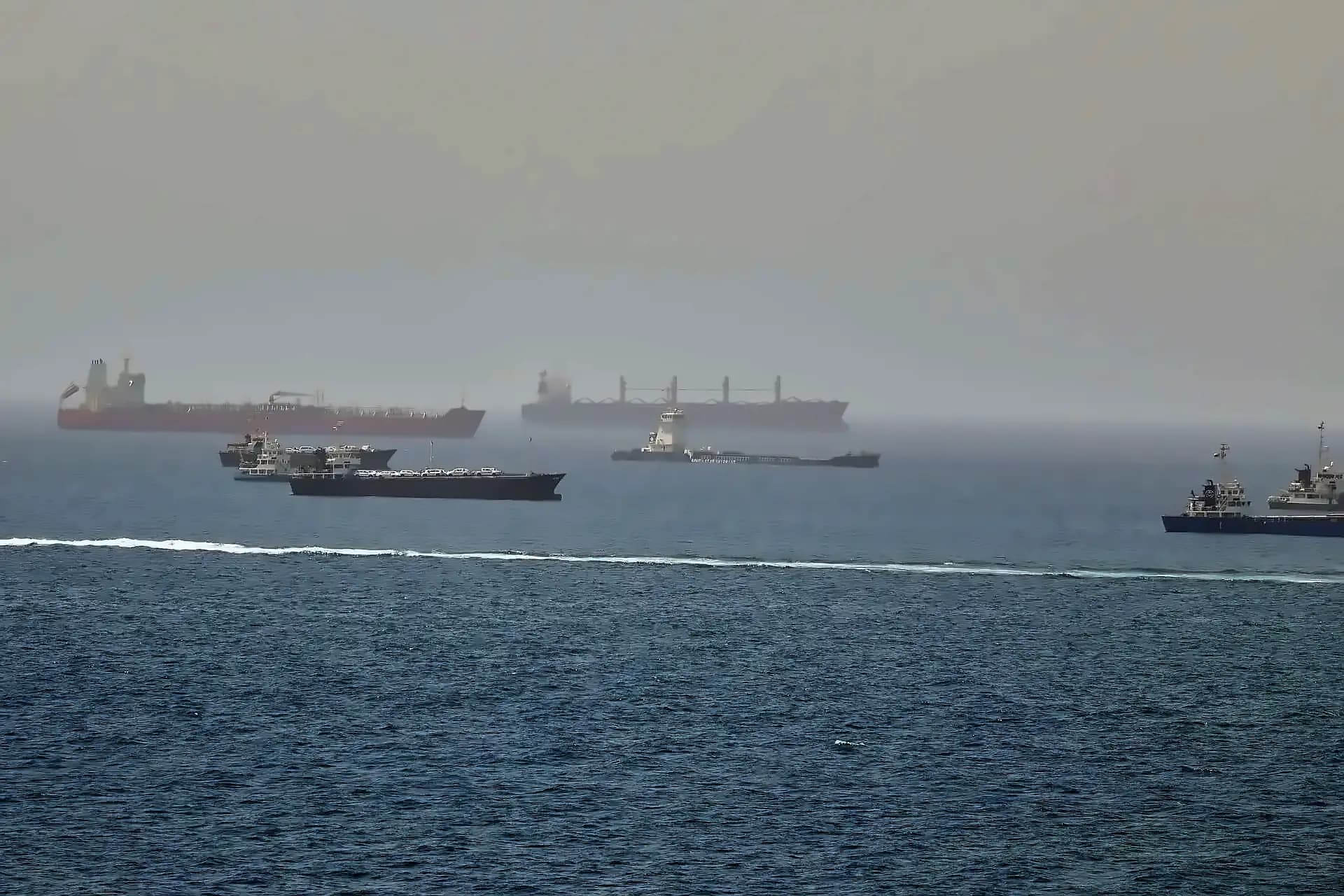
Despite renewed attacks on ships in the Strait of Hormuz and fresh exchanges of strikes between the US and Iran, West Asia producers are pushing ahead with loading oil and LNG cargoes, according to shipping data. Traffic in the chokepoint slowed over the weekend after a flare-up in the conflict that saw two ships hit, but there were indications tanker companies and their crews are willing to navigate Hormuz — a critical step to returning the global oil market to normal and unlocking millions of barrels of supply. The chokepoint carried about a fifth of global crude and liquefied natural gas before the conflict. About 115 ships were able to move out of the strait in recent days, leaving about 500 still in the area, according to Business Standard. Traffic last week hit its highest level since the conflict began at the end of February. The United Nations International Maritime Organization has paused its evacuation efforts for ships through the Strait of Hormuz following the attack, with the plan to move stranded ships out of the Persian Gulf via the strait on hold until the agency can confirm safety guarantees for ships on the evacuation list.